Chinese cars are causing a stir worldwide, but in the United States, they’re making headlines because they’re inexpensive, seemingly offering a very attractive price-to-performance ratio compared to any other vehicle currently available, and perhaps most importantly: they’re practically banned in that country.
However, two Michigan lawmakers want to go a step further and prevent anyone who owns a Chinese car in Canada or Mexico from even driving it into the United States, not even for day trips.
The proposal comes amid growing concern in Washington about the amount of data collected by modern vehicles.
According to its proponents, Representative Haley Stevens (D-Michigan) and Senator Elissa Slotkin (D-Michigan), connected vehicles can collect location information, map infrastructure, record video, and transmit data to manufacturers or other entities, such as the Chinese government.
The legislation argues that these capabilities pose risks to national security and cybersecurity if they fall into the hands of foreign adversaries.
Stevens noted that Chinese automakers have expanded rapidly in Mexico, where they reportedly now account for approximately 15 percent of the market. Meanwhile, Canada recently announced a trade agreement that will reduce tariffs on many Chinese vehicles, potentially facilitating their entry into North America.
“This is a matter of economic security and national security, and we must prevent these vehicles from crossing our border and entering our communities.
They are surveillance systems on wheels, capable of geolocating drivers, recording real-time video, and mapping sensitive infrastructure, including our military installations.
This bill builds upon my bipartisan Connected Vehicle Security Act of 2026 and prohibits the entry of fully finished Chinese vehicles, even for just one day,” Stevens stated.
Whether the bill will move forward remains to be seen, but it highlights how concerns about Chinese automakers have evolved.
The debate is no longer solely focused on prices, subsidies, or tariffs; it’s increasingly centered on software, connectivity, and who ultimately has access to the vast amounts of data generated by modern vehicles.
“We’re going to be firm on this issue because jobs in Michigan are at stake, but so is national security. Therefore, we will close our border to Chinese vehicles and the Chinese technology they contain, even for day trips. We believe we must be this firm right now,” Stevens concluded. There would be exceptions, but only through a formal authorization process.
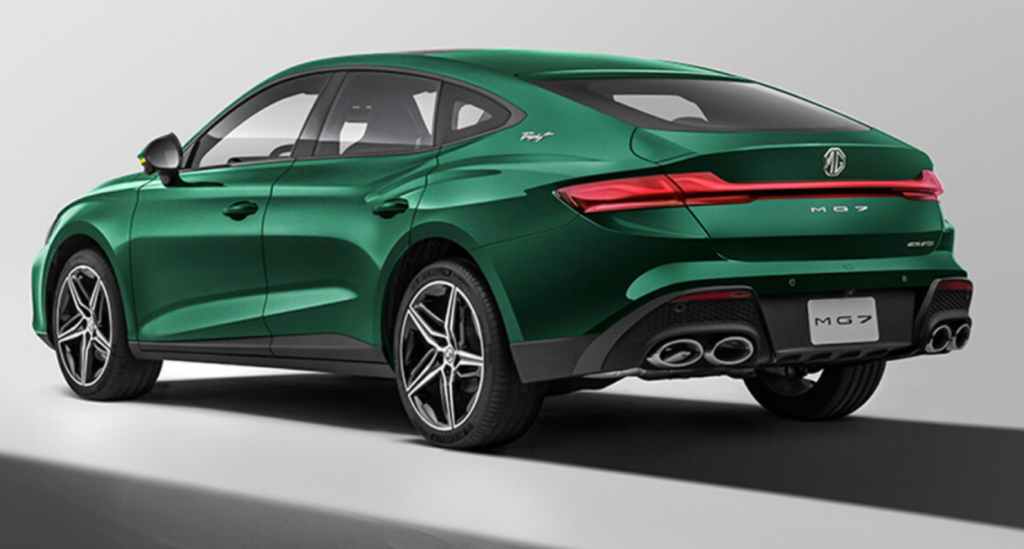
Source: motorpasion