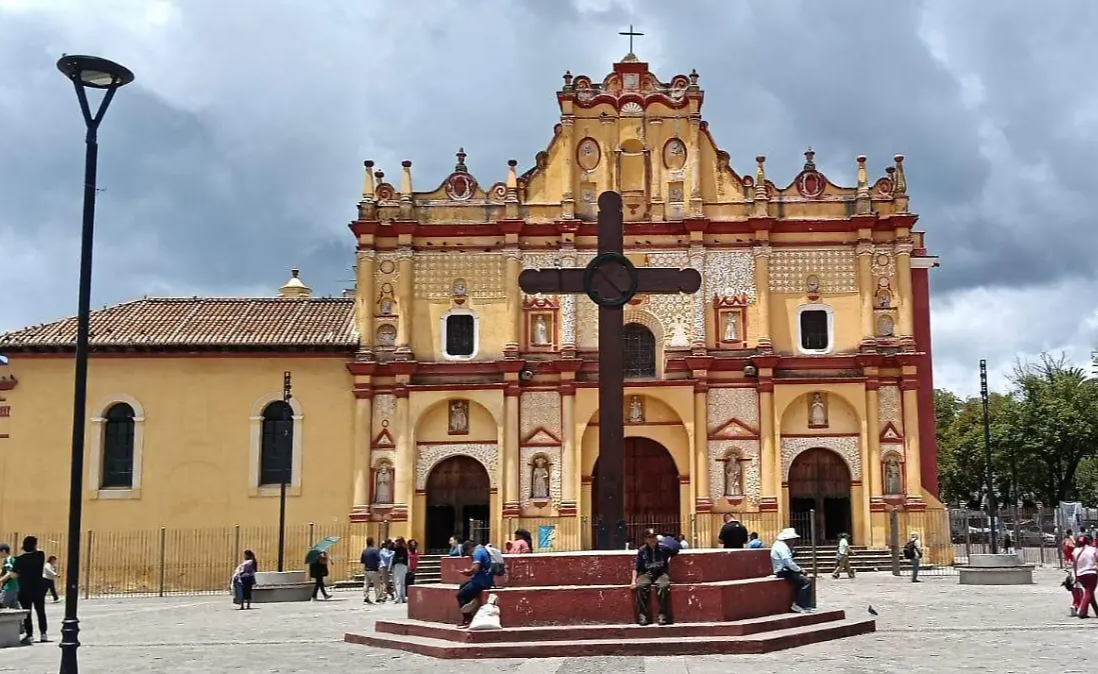

Located on the north side of Plaza 31 de Marzo, the central square of San Cristóbal de Las Casas, the Cathedral of San Cristóbal is one of the principal historical, religious, and architectural symbols of the Highlands region of Chiapas, with more than 450 years of history.
The church, which serves as the seat of the Diocese of San Cristóbal de Las Casas and is currently led by Bishop Rodrigo Aguilar Martínez, preserves a New Spanish Baroque architectural style, although it has undergone several renovations over the centuries that have altered part of its original appearance.
The cathedral has also suffered damage caused by the passage of time and natural phenomena, including roof and tile collapses during the 2007 earthquake. In addition, this religious site has hosted weddings, served as a filming location for movies and television productions, and welcomes thousands of national and international visitors every year.
Interior Features
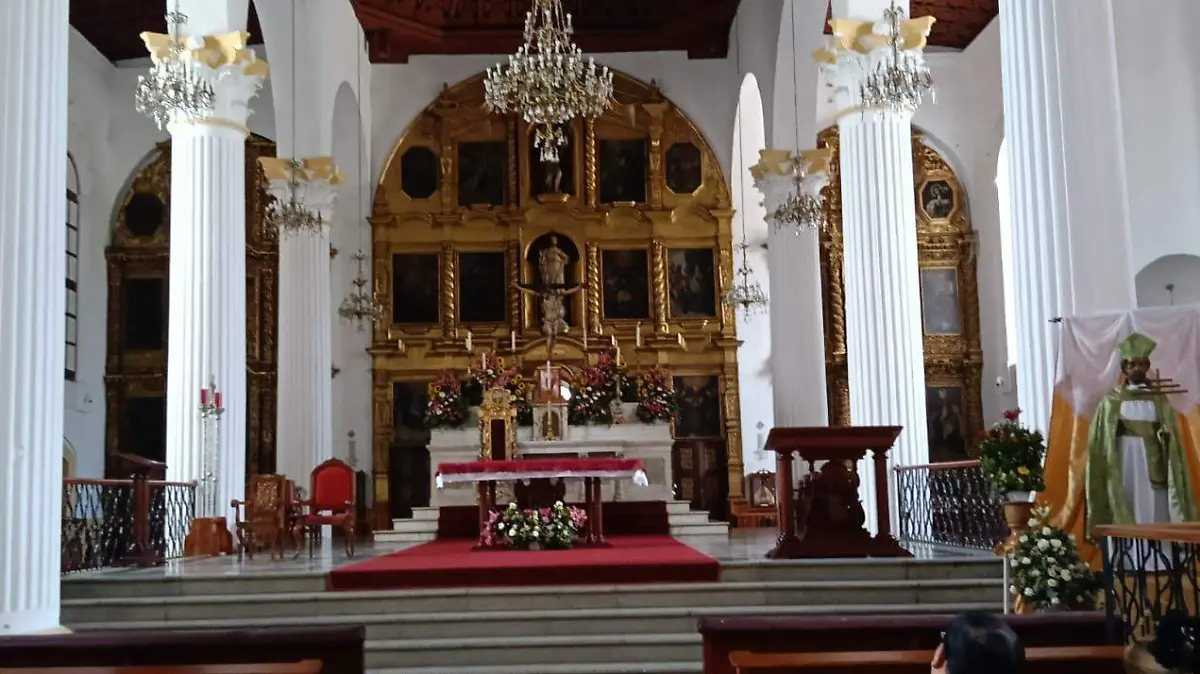
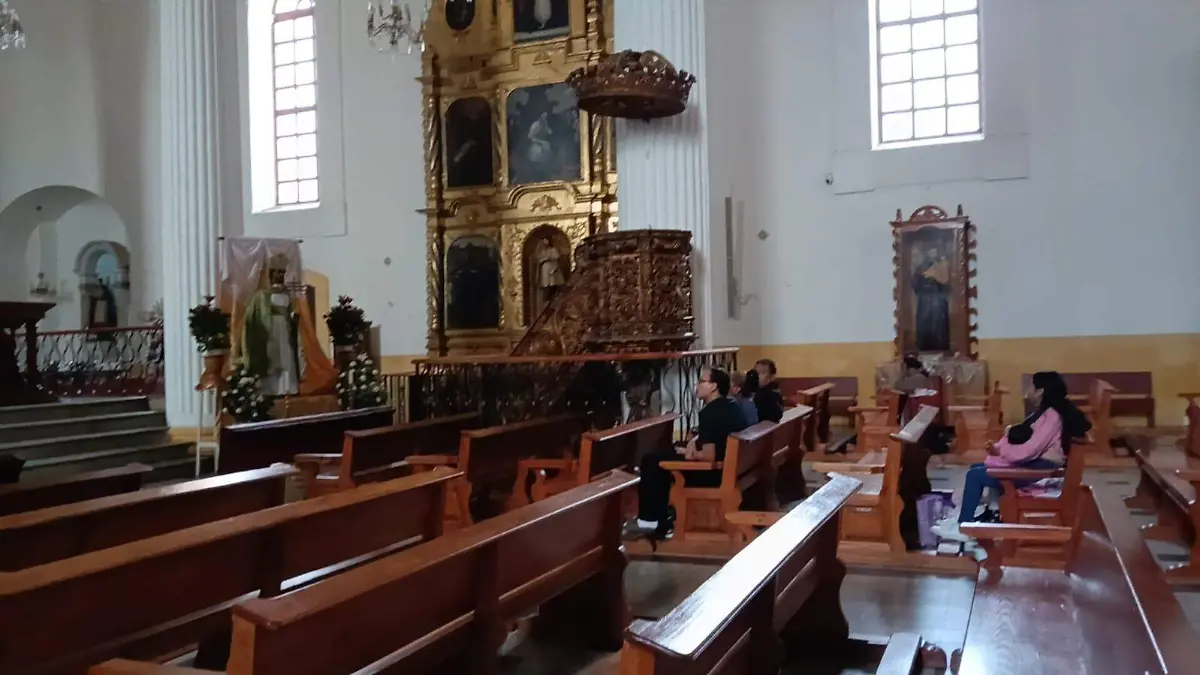
The interior of the cathedral preserves Baroque altarpieces, a marble high altar, and a wooden coffered ceiling decorated with Mudéjar-style details.
The history of the building dates back to the 1530s and 1540s, when the King of Spain and local authorities ordered the construction of a larger church because the former parish had been elevated to the status of a cathedral, and the growing population required a larger space for liturgical celebrations.
The interior combines Baroque and Neoclassical elements. It contains five Baroque altarpieces, while the high altar is made of marble. The ceiling is covered with a wooden coffered structure decorated with Mudéjar-style ornaments featuring designs resembling flowers and crosses.
A Witness to History
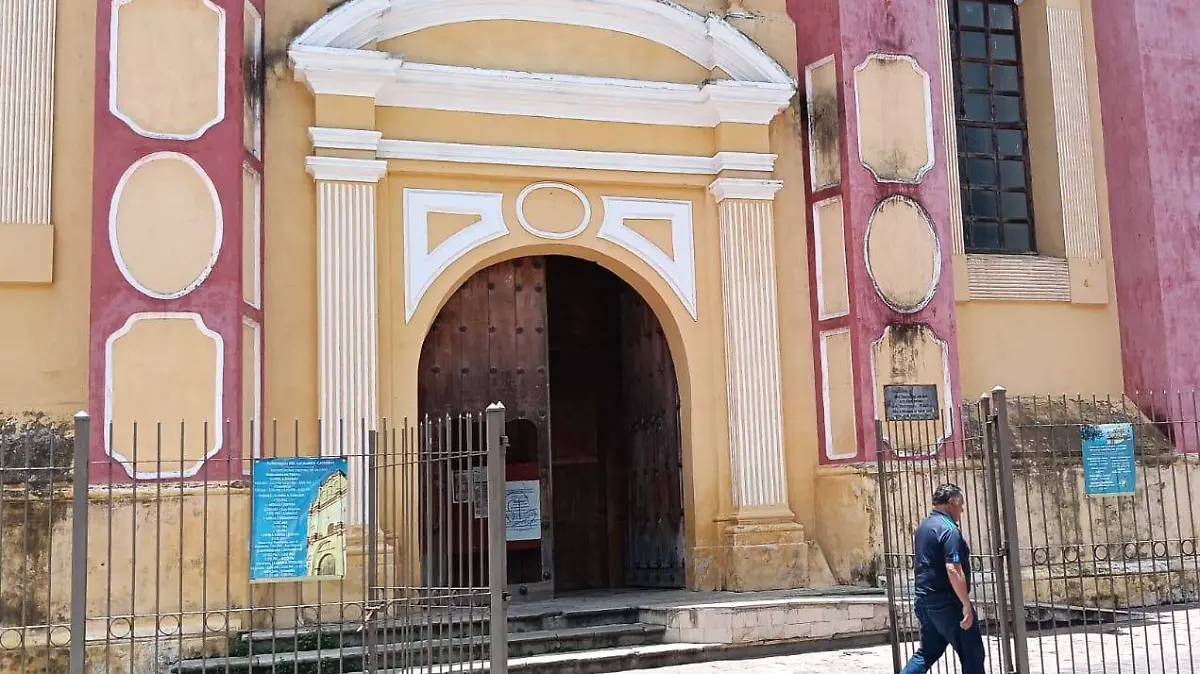
The Cathedral of Saint Christopher the Martyr has witnessed religious celebrations, historical events, and the transformation of the city.
The cathedral has a single bell tower located on the eastern side, which collapsed during an earthquake in 1652. The bells were later reinstalled at the base of the tower.
The remains of Bishop Samuel Ruiz García, who led the Diocese of San Cristóbal for 40 years, are also buried inside the cathedral.
Historian Milton Tovilla explained that after the arrival of the Spanish in 1528, a small chapel dedicated to the Virgin of the Annunciation was established in the center of the city.
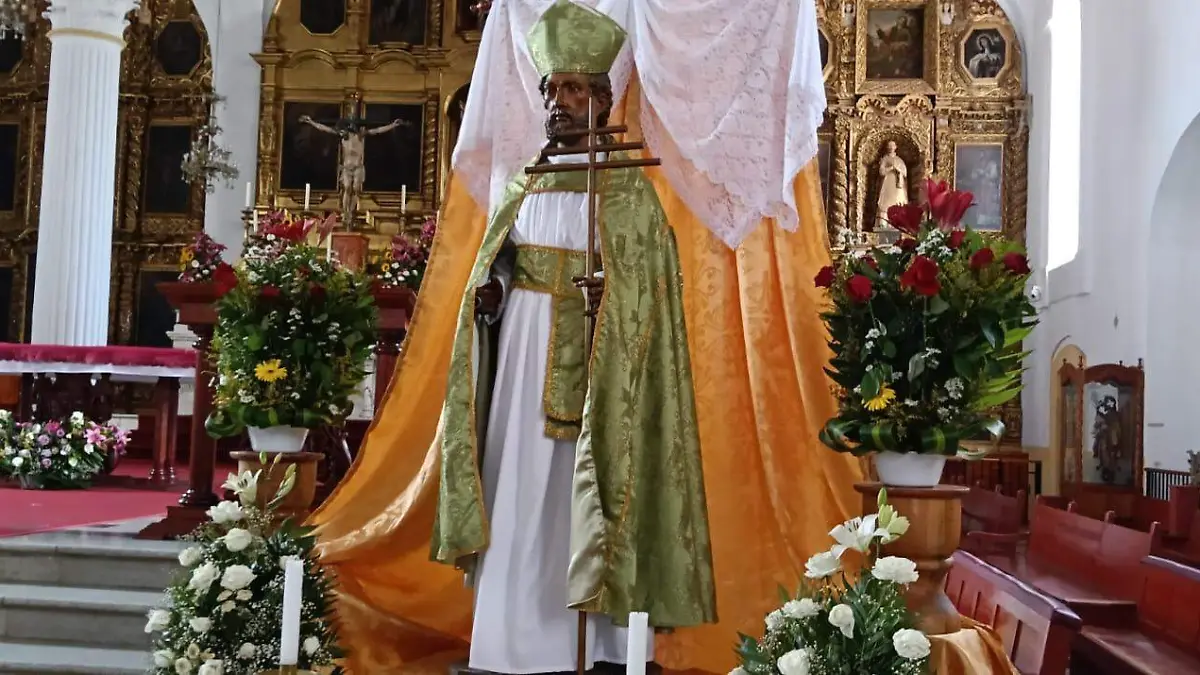
As the population grew during the 16th century, the formal construction of the Cathedral of Saint Christopher the Martyr began. Its patronal feast is celebrated every July 25, when hundreds of faithful gather to honor the saint.
“It ceased to be the Church of the Assumption and became the Cathedral of Saint Christopher the Martyr. It is an example of Mexican Baroque architecture, featuring niches and numerous details inspired by the flora and fauna that characterize the state of Chiapas,” Tovilla explained.
The historian noted that the structure now recognized as the cathedral was completed during the 18th century, after more than 200 years of modifications and additions.
Architectural Evolution
Tovilla also explained that architect Carlos Zacarías Flores García carried out later interventions, including the addition of fluted columns and capitals inside the church, as well as modifications to the windows to allow more natural light into the building and incorporate architectural elements featuring semicircular arches.
Regarding its construction, Tovilla explained that the cathedral was built on stone foundations using bricks, adobe, and mortar. Its walls measure approximately 90 to 120 centimeters thick because they consist of a double-wall structure.
A Landmark That Continues to Welcome Visitors
Today, the Cathedral of San Cristóbal de Las Casas remains one of the most visited religious sites in Chiapas. Thousands of national and international tourists visit the cathedral throughout the year, while Bishop Rodrigo Aguilar Martínez continues to celebrate Sunday Masses.
Source: oem