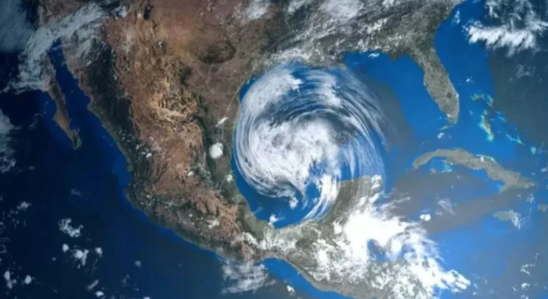

Recent official reports warn of severe weather conditions in the state of Veracruz, particularly extremely high temperatures associated with the El Niño phenomenon this year.
Authorities expect a more intense canícula (midsummer heat wave) during July and August, bringing reduced rainfall, extreme temperatures, and possible drought conditions. Heavy rainfall could return toward the end of the year and the beginning of 2027.
The La Niña phenomenon is expected to develop in the coming months and into next year, not at the present time.
People in Veracruz are already familiar with these sudden weather changes due to previous experiences with both El Niño and La Niña.
These climate patterns—warmer conditions during El Niño and cooler conditions during La Niña—have caused significant human and material losses in the region on several occasions.
The United Nations (UN), through its disaster risk reduction agency, issued a forecast at the beginning of 2026 warning that both El Niño and La Niña could lead to economic losses, potentially forcing countries to declare emergencies and affecting their economies.
The intense heat season is expected to become noticeable soon and may last for several weeks, followed by the arrival of heavy and intense rainfall across Veracruz.
As a result, there is an increased risk of flooding and rising river and stream levels. Veracruz is naturally a major watershed that channels water from other states into the Gulf of Mexico. Over the past three decades, this geographical characteristic has contributed to human, material, and economic damage related to both flooding and extreme heat, particularly between April and November.
According to information from CONAGUA, authorities and residents should remain highly alert. However, many municipal governments continue to lag behind in updating or implementing their Risk Atlases.
AFTER-DINNER THOUGHTS
When ocean temperatures are warmer than usual, the El Niño phenomenon develops. When they are cooler than normal, La Niña occurs.
A COFFEE WITH PILONCILLO
Just as Veracruz is affected by heavy rainfall, it also experiences extremely high temperatures during periods of intense heat.
In addition, tropical cyclones—including tropical depressions, tropical storms, and hurricanes—as well as cold fronts, continually place Veracruz on alert. This highlights the ongoing need for preparedness among both authorities and the general population.
One of the consequences of these climate changes is their impact on the electricity supply.
This is the most challenging time of the year regarding weather conditions. Extremely high temperatures and periods of heavy rainfall significantly affect the continuity of electrical service, with some areas experiencing greater impacts than others. Under these conditions, the Federal Electricity Commission (CFE) has struggled to keep up with demand and service interruptions.
During the first half of 2026, the high temperatures associated with El Niño contributed to water shortages and power outages. Looking ahead, La Niña could also result in electrical outages caused by the storms and heavy rains forecast for the coming months, creating additional challenges for the CFE.
A LIGHT CAFÉ LECHERO
Hopefully, the effects of El Niño and La Niña will not result in loss of life, although material damage is often difficult to avoid due to flooding, landslides, slope failures, sinkholes, and erosion. These events can cause widespread destruction, even in regions that have long been accustomed to tropical weather systems.
A DOUBLE-STRONG COFFEE
The people of Veracruz still remember the tragedy and suffering caused in 1999 and 2010, when thousands of families were affected by Cold Front No. 5 and Tropical Depression No. 11 along the Gulf Coast. These events caused severe human and material losses in municipalities including Álamo, Poza Rica, Gutiérrez Zamora, Tecolutla, Martínez de la Torre, Misantla, and others. Large-scale evacuations were carried out, emergency shelters were established, and rural and urban transportation infrastructure had to be rebuilt. Many of these areas still show signs of their vulnerability.
It is also important to remember that Hurricane Karl in 2010 caused severe damage across 117 municipalities—approximately 68% of the state of Veracruz—particularly in the southern region, including Hueyapan de Ocampo and the Papaloapan Basin, as well as Tlacotalpan.
Source: imagendelgolfo