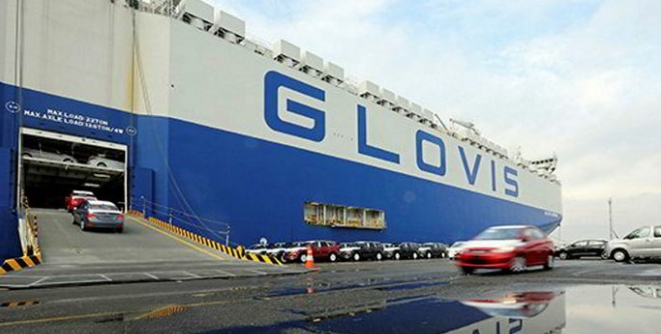

The Interoceanic Corridor of the Isthmus of Tehuantepec (CIIT) solidified its operational viability with the successful second transoceanic crossing by Hyundai. This time, the company transported a total of 3,000 vehicles, a figure that significantly triples the 900 units transported during its first test operation on March 29, 2025.
Strategic Route to the North American Market
The automotive shipment initially departed from the port of Salina Cruz, Oaxaca, and completed a 308-kilometer rail journey along Line Z of the Isthmus of Tehuantepec Railway, arriving at the port of Coatzacoalcos, Veracruz.
⇒ From this strategic point on the Gulf of Mexico, the Hyundai vehicles will continue their maritime route to the east coast of the United States, definitively positioning this interoceanic route as an efficient logistics alternative for international trade.
Operational Partnerships and On-Site Supervision
As part of this second crossing, executives from the multinational Hyundai conducted technical supervision tours of the vehicle loading and unloading areas in Coatzacoalcos. They also held key working sessions with CIIT authorities, management personnel from the National Port System Administration (Asipona), Customs officials, and representatives from the state and municipal governments, in order to refine protocols and analyze future opportunities for logistical expansion in the Isthmus of Tehuantepec region.
The technical monitoring of these commercial operations is the responsibility of the Government of Veracruz, through the Ministry of Economic and Port Development (Sedecop). The state administration maintains a support program for large-scale projects directly linked to the CIIT, considered one of the Federal Government’s priority infrastructure projects to boost employment, industrial investment, and logistical growth in southern Mexico.

Source: almomento