
Quintana Roo, one of Mexico’s premier tourist destinations, began the summer vacation season with hotel occupancy below 60%, a performance that has raised concerns among tourism industry leaders. Business owners acknowledge that the expected boost from the 2026 FIFA World Cup has not resulted in an increase in visitor arrivals.
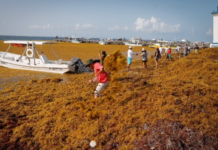
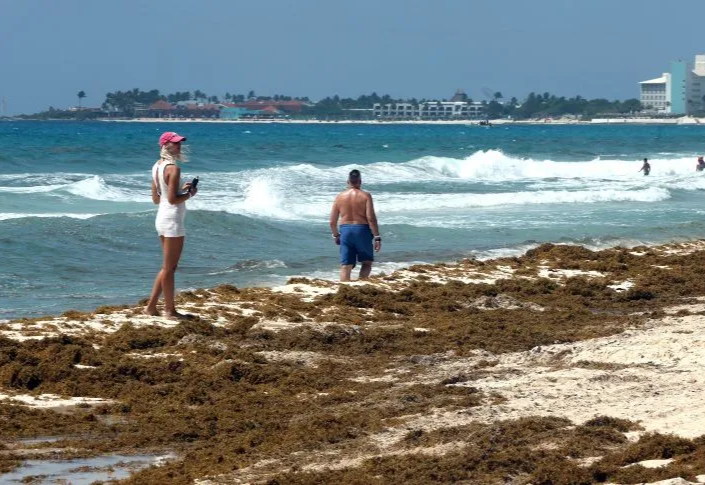
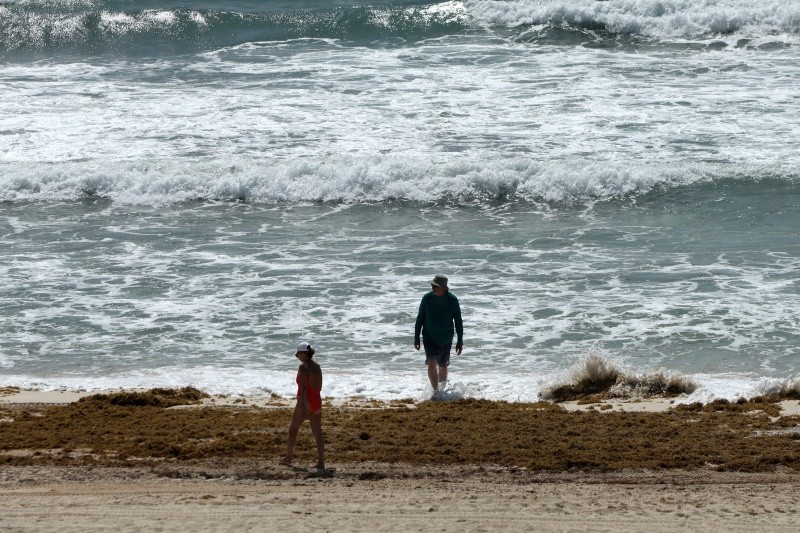
In addition to uncertainty surrounding demand, the persistent presence of sargassum seaweed remains one of the main factors affecting the image of Quintana Roo’s tourist destinations.
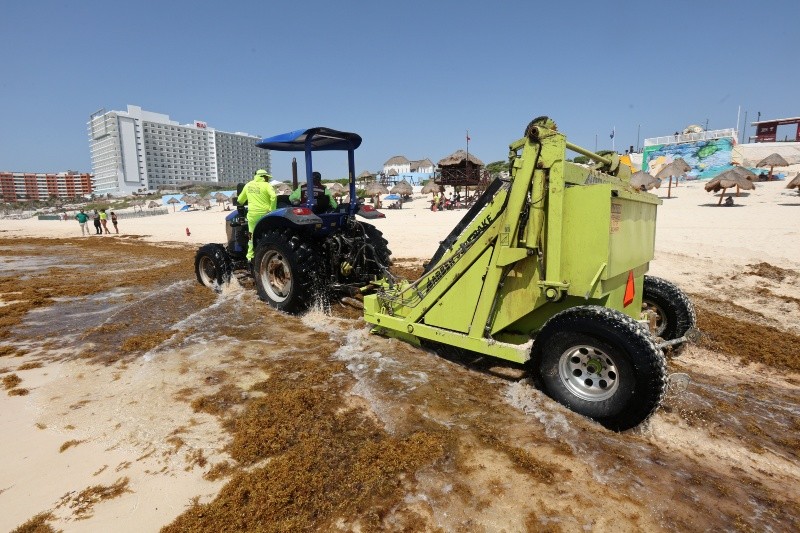
So far this year, 83,137 metric tons of sargassum have been collected along the Mexican Caribbean coast. Cancún and Playa del Carmen account for the largest amounts, with 20,469 and 30,021 metric tons, respectively.
Although authorities have intensified cleanup efforts and not all beaches are affected at the same time, the effects of the seaweed are reflected in the brown color of the water and the unpleasant odors produced as it decomposes. The islands of Cozumel, Isla Mujeres, and Holbox have experienced less impact.
According to the Quintana Roo Tourism Information System (Situr), average hotel occupancy across the state’s main tourist destinations was 59.6% during the week of July 4–10, a level considered low for one of the most important travel seasons of the year.
World Cup Expectations Fall Short
Rodrigo de la Peña, president of the Cancún, Puerto Morelos, and Isla Mujeres Hotel Association, acknowledged that the tourism sector had placed high expectations on the FIFA World Cup, believing that Quintana Roo could become a hub for fans traveling to North America.
“We had a very romantic idea that we could become a World Cup hub. That’s how we planned it, that’s how the initiatives and intentions were developed,” he said.
However, he admitted that those expectations faded because many tourists prioritized traveling within the United States, while higher airfare prices resulting from increased jet fuel costs also discouraged international travel.
De la Peña said the industry continues to meet with Federal Tourism Secretary Josefina Rodríguez to update market assessments and develop strategies to restore the destination’s competitiveness.
A Difficult Summer for the Mexican Caribbean
Situr’s figures show uneven performance among destinations in the Mexican Caribbean.
Costa Mujeres recorded the highest hotel occupancy at 71.3%, followed by:
- Cancún: 67.7%
- Isla Mujeres: 62.8%
- Cozumel: 54.3%
- Riviera Maya: 54.1%
- Puerto Morelos: 48.9%
- Holbox: 48.1%
The lowest occupancy rates were reported in:
- Tulum: 41.5%
- Costa Maya: 31.9%
These figures reflect a slowdown in tourism demand at the beginning of the summer season.
Small Hotels Face a Critical Situation
In Playa del Carmen, small hotels are reporting average occupancy of approximately 32%, about 15 percentage points lower than during the same period in 2025, according to the Association of Small Hotels.
Its president, Offner Arjona, stated that the combination of sargassum, an oversupply of accommodations, and reduced demand has placed many family-owned businesses in a critical financial situation.
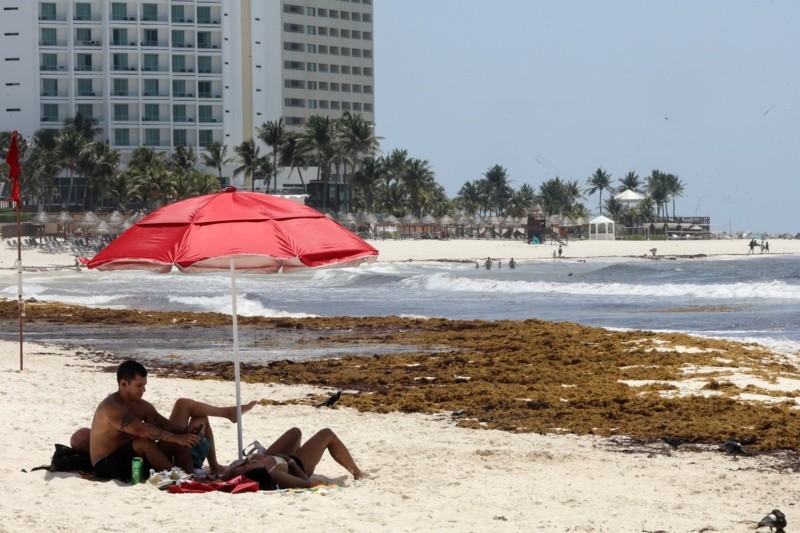
“Many people believe that all of Playa del Carmen is in the same condition, when that’s simply not true. That misinformation causes tourists to reject the destination before they even make a reservation.”
The association estimates that around 15% of small hotels have either temporarily suspended operations or permanently closed due to financial difficulties.
Tourism Workers Also Feel the Impact
The decline in tourism is also affecting workers who depend directly on visitors.
Saydi Selene Ek Caamal, a massage therapist in Playa del Carmen, attributed the lack of tourists to the presence of sargassum.
“This is a very slow season for us. Because of the sargassum, there are hardly any people; very few visitors are coming,” she explained.
She added:
“We didn’t have any visitors during the World Cup days. The beach was practically empty. On Saturdays and Sundays we would only see one or two people.”
Source: informador