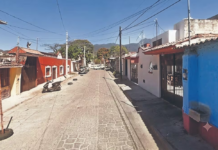

For decades, Puerto Escondido was a quiet destination off the beaten path. It was known primarily to surfers, travelers seeking tranquility, and residents who built their lives around the sea, never imagining that their small coastal town would one day become one of Mexico’s most sought-after tourist destinations.
Today, that story has changed.
The beaches that once offered an alternative to mass tourism have become featured in international magazines, must-visit travel lists, and the itineraries of both domestic and international travelers with greater purchasing power. Puerto Escondido is no longer a hidden gem—it has become a globally recognized destination.
But every period of growth comes with a cost.
The question Oaxaca must begin asking is not whether Puerto Escondido should continue to develop. Development is necessary. The more difficult question is whether Puerto Escondido is prepared to grow without losing the qualities that made it special in the first place.
The greatest risk for a successful tourist destination is not attracting more visitors. The real danger is allowing growth to outpace the city’s ability to support it.
Success That Also Brings Pressure
The tourism boom has created undeniable opportunities.
New hotels, restaurants, businesses, tourism services, and jobs have transformed the local economy. Puerto Escondido now enjoys an international profile that seemed unlikely just a few years ago.
The arrival of visitors has generated income for families, entrepreneurs, and workers who have found tourism to be a source of livelihood.
However, behind this image of prosperity lies a less visible reality: growth has also increased pressure on essential services, land use, and housing.
A city welcoming an ever-growing number of visitors must answer important questions that do not always accompany tourism success:
- Is there enough water for everyone?
- Is there sufficient infrastructure to manage waste?
- Is housing still affordable for people who were born there?
- Do local residents remain active participants in development, or have they become mere spectators?
Tourism can transform a community, but it can also displace it.
The Paradox of Becoming a World-Class Destination
Puerto Escondido now faces a contradiction experienced by many famous tourist cities around the world.
The more attractive it becomes to visitors, the more difficult it may become for its own residents to continue living there.
Growing demand for accommodations, increased real estate investment, and the expansion of short-term rental platforms have significantly altered the local housing market.
For some, these changes represent economic opportunity. For others, they mean facing housing prices that no longer reflect the incomes of many local families.
The paradox is clear: a city can become increasingly popular with tourists while gradually losing the very people who gave it its identity.
Tourism depends on local communities. It needs cooks, fishermen, artisans, merchants, hotel workers, transportation providers, and young people who find reasons to remain in their hometown.
A destination without its community may preserve the scenery, but it loses its soul.
Water: The First Major Warning Sign
Among the many challenges facing Puerto Escondido, water may be the clearest indication that growth cannot be improvised.
Urban and tourism development increases demand for a resource that is already limited in many parts of Oaxaca.
For years, communities throughout the region have understood that water is not merely a public utility—it is also tied to territory, community organization, and the future.
Tourism expansion raises a fundamental question: who will have priority if water resources become insufficient?
No tourist destination can truly be considered successful if the people who sustain it struggle to access basic services.
The Importance of Preserving Local Identity
Puerto Escondido did not become famous solely because of its beaches.
Its value lies in a unique combination of elements: the relationship between the ocean and local communities, the coastal culture, gastronomy, music, traditions, and a distinctive way of life.
The danger is that the effort to create an attractive tourist experience could eventually turn the destination into an artificial version of itself.
Many cities around the world have made this mistake: they marketed an image so successfully that they ultimately lost the reality that made that image appealing in the first place.
Oaxaca has the opportunity to learn from those experiences.
Authenticity cannot exist only as a marketing strategy. It must remain a living part of everyday life.
Development Does Not Mean Unlimited Growth
The discussion should not be framed as tourism versus no tourism.
That debate is far too simplistic for a much more complex issue.
Oaxaca needs investment, employment, and economic opportunities. Puerto Escondido deserves continued economic growth. But development should not be measured only by the number of hotels built, flights received, or tourists welcomed.
It should also be measured by the quality of life of the people who call the city home.
A successful tourist destination is not one that receives millions of visitors, but one where its residents can continue living with dignity long after the tourists have left.
Puerto Escondido’s challenge is not to stop its transformation. It is to decide what kind of transformation it wants.
There is a significant difference between becoming an internationally recognized destination and becoming a place that is no longer recognizable to the people who built it.
Today, Puerto Escondido stands before a historic opportunity—but also an important warning.
Its tourism boom can become a lasting engine of prosperity for Oaxaca.
Or it can become another story in which wealth arrives, but does not necessarily remain within the community.
Source: nvinoticias