
Eight fishermen from the state of Nayarit, seven of them residents of the coastal community of La Cruz de Huanacaxtle, disappeared in mid-February after being struck by missiles fired by U.S. military forces in international waters. Federal government sources, who requested anonymity, confirmed the Los Angeles Times report to La Silla Rota.
The incidents are part of a new campaign by the Trump administration that classifies targets as “narco-terrorists,” allowing the use of military force against vessels suspected of drug trafficking.
Sources in Mexico indicated that the vessel was attacked outside the exclusive economic zone (200 nautical miles from the coast), an area where the U.S. has exclusive sovereign rights to explore, exploit, and conserve natural resources, both living and non-living.
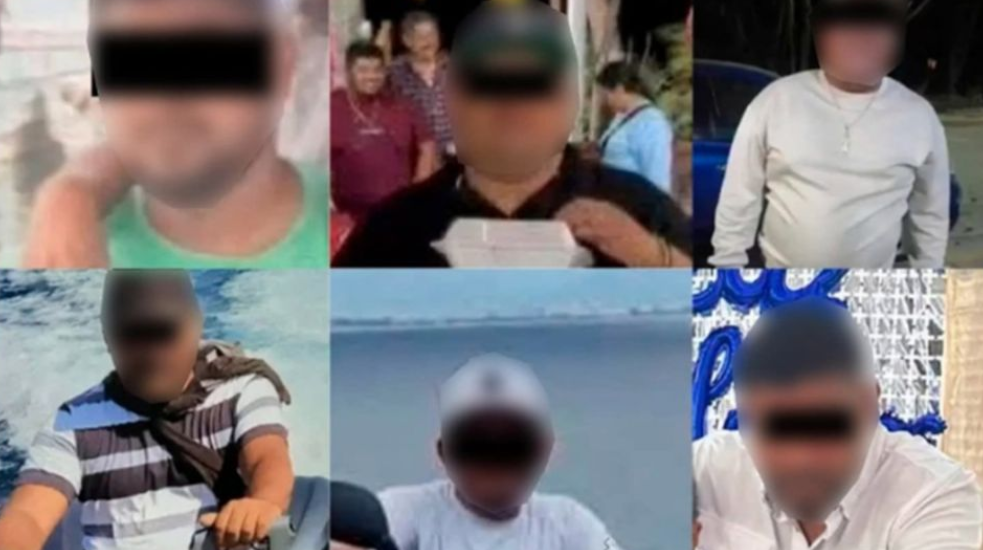
The deceased were identified by their families as Edgar Valerio Ramos, Pedro Torres Falcón, Luis Torres Jiménez, Carlos Torres Zamora, José Reyes García, Diego Ocampo González, Abel Ramos Jiménez, and Braulio Cruz Joya. According to testimonies gathered in the area, it was common knowledge that some fishermen “earned extra money transporting gasoline at sea” to refuel speedboats that carry cocaine from South America.
Context: La Silla Rota reported on February 19 that, according to information from the victims’ families cited by local media, eight of the 11 people killed in a U.S. attack on drug-running boats in the Pacific and the Caribbean were from the municipality of Bahía de Banderas, in the state of Nayarit. However, authorities have not confirmed this information.
It was specified that seven of the deceased from Nayarit were from the community of Cruz de Huanacaxtle and one from Corral del Risco.
According to the LA Times, the men departed from Punta Pérula, Jalisco, on February 16, and that same night the U.S. military reported two missile attacks that resulted in eight deaths.
Although the U.S. Southern Command maintains that “every narco-terrorist killed during Southcom operations was an affiliated member of a Designated Terrorist Organization,” legal experts and human rights advocates have warned that these attacks constitute “extrajudicial killings.”
The Mexican government has maintained a cautious stance. President Claudia Sheinbaum declared that Mexico will not accept “violations of Mexican territory, whether by land, sea, or air,” but sources indicate that the deaths of these citizens have gone largely “unnoticed internationally” and have not been officially acknowledged by the federal government. The Mexican Navy only confirmed that the attacks occurred outside its Exclusive Economic Zone.
Father Rigoberto Cruz, a 53-year-old Catholic priest from La Cruz de Huanacaxtle, quoted by the LA Times, referred to the deceased fishermen, stating that “they knew the risks.”
Furthermore, regarding the families and those mourning their loss, the priest mentioned that they “understand why all this happened.” His testimony comes in the context of a community that was aware that some fishermen accepted jobs transporting fuel to drug trafficking vessels due to economic necessity.
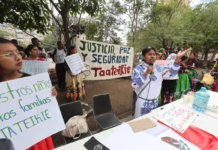
On July 7, dozens of boats held a memorial service in La Cruz de Huanacaxtle to bid farewell to the deceased. Meanwhile, local fishermen engaged in legal activities expressed fear of being victims of a mistake by U.S. aerial surveillance. One of the fishermen stated, “Every time I hear a plane flying overhead, I wonder if it’s coming to kill me.”
Since September, the United States’ bombing campaign against suspected drug-trafficking vessels has resulted in the deaths of a total of 221 people in the Pacific and the Caribbean.
Source: lasillarota