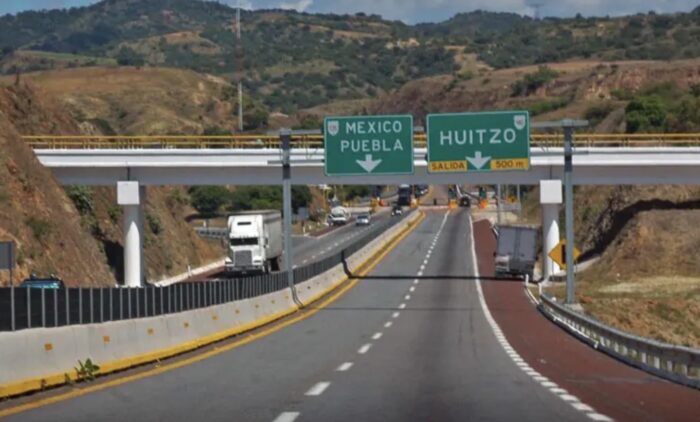

The Cuacnopalan-Oaxaca superhighway has solidified its reputation as one of the most dangerous freight corridors in southeastern Mexico. Following a series of violent incidents—including a recent case where a driver was bound and abandoned by armed attackers—transport workers have mapped out the corridor, formally documenting the presence of at least three distinct criminal syndicates operating along the route.
According to Gabriel Femat, a representative from the Mexican-American Federation of Cargo, Passenger, and Tourism Transport (Fetramex), these criminal groups utilize specialized methods to target freight operators. The identified modus operandi of these three factions are as follows:
Tractor-Trailer Hijackers: The first group focuses exclusively on seizing the entire tractor-trailer unit.
Cargo-Focused Thieves: The second group targets both the vehicle and its cargo, hijacking the truck to unload and illicitly resell the commodities.
Part Scavengers: The third group deliberately preys on empty units, presumably to dismantle them and sell their parts on the black market.
The highway’s design exacerbates the crisis. Criminals exploit local paths and dirt roads that connect nearby communities to the motorway, using motorcycles or moving on foot to intercept trucks before escaping quickly through hidden trails. When terrain conditions prevent them from hiding vehicles off-road, attackers often force drivers to continue driving straight through toll booths, posing as legitimate operators while the actual drivers remain tied up or abandoned elsewhere.
Truck drivers report that National Guard patrols are sparse and ineffective, usually arriving long after an assault has already taken place. As high-risk incidents continue to climb, the transport sector is urging federal and state authorities to overhaul security strategies along the corridor, warning that insufficient surveillance leaves freight operators exposed to organized highway crime.
Source: https://transporte.mx