While Mexico celebrates record export figures to the United States during the first half of the year, the country’s automotive industry is experiencing a different reality.
Between January and June, purchases made by the United States of vehicles and auto parts manufactured in Mexico totaled 82.444 billion dollars, representing a 3.8 percent contraction compared with the same period last year, according to data published by the U.S. Census Bureau.
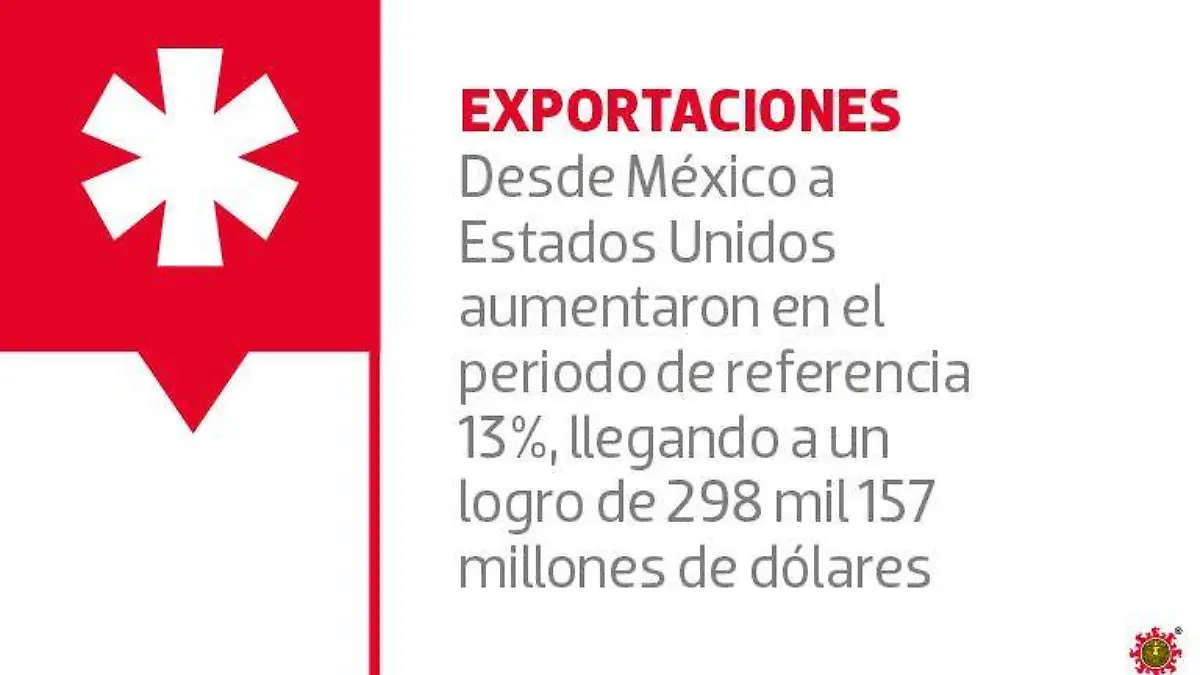
In contrast, Mexico’s total exports to its main trading partner increased 13 percent during the same period, reaching a historic record of 298.157 billion dollars.
For the automotive industry, this represents the lowest export level for the first half of a year since 2022, when the sector and the economy were recovering from the impact of the COVID-19 pandemic.
The second consecutive decline in the value of automotive exports to the United States during the first half of the year is mainly due to tariffs imposed by Donald Trump’s administration, as well as a decline in electric vehicle sales in the U.S. market, explained Manuel Valencia, professor at the School of Business at Tec de Monterrey.
Bloomberg reported in June that forecasts for electric vehicle demand in the United States fell for the second consecutive year for 2026, as a result of the Trump administration’s reduction of incentives for the purchase of this type of vehicle.
Regarding finished passenger vehicles, the value of shipments from Mexican automakers to the United States decreased 15.3 percent year-over-year between January and June.
According to INEGI, three out of every four vehicles manufactured in Mexico that were exported abroad were sent to the United States, keeping that country as the main buyer of the national automotive industry.
However, the Tec de Monterrey academic stated that the main impact on the industry is related to tariffs.
“Automakers have responded with modifications and adjustments to their production lines to deal with the tariffs imposed by Donald Trump. Ironically, a very strong 2026 is expected, which could become a record year for new vehicle sales in our country, with around 1.5 million units, but this optimistic figure is not enough to minimize the effect of the tariffs imposed on the industry,” he stated.
In February of last year, President Donald Trump announced a 25 percent tariff on the automotive industry, which did not apply to products entering U.S. territory under the criteria of the USMCA, meaning those produced in any of the three member countries of the agreement.
However, in the case of finished automobiles, content manufactured in the United States is excluded, while the remaining portion is subject to a tariff supported by Section 232 of the Trade Expansion Act of 1962, under the argument of national security.
An analysis by Grupo Financiero BASE indicates that the average tariff paid by Mexico’s automotive exports to the United States was 9.9 percent during the first six months of the year.
Industrial activity
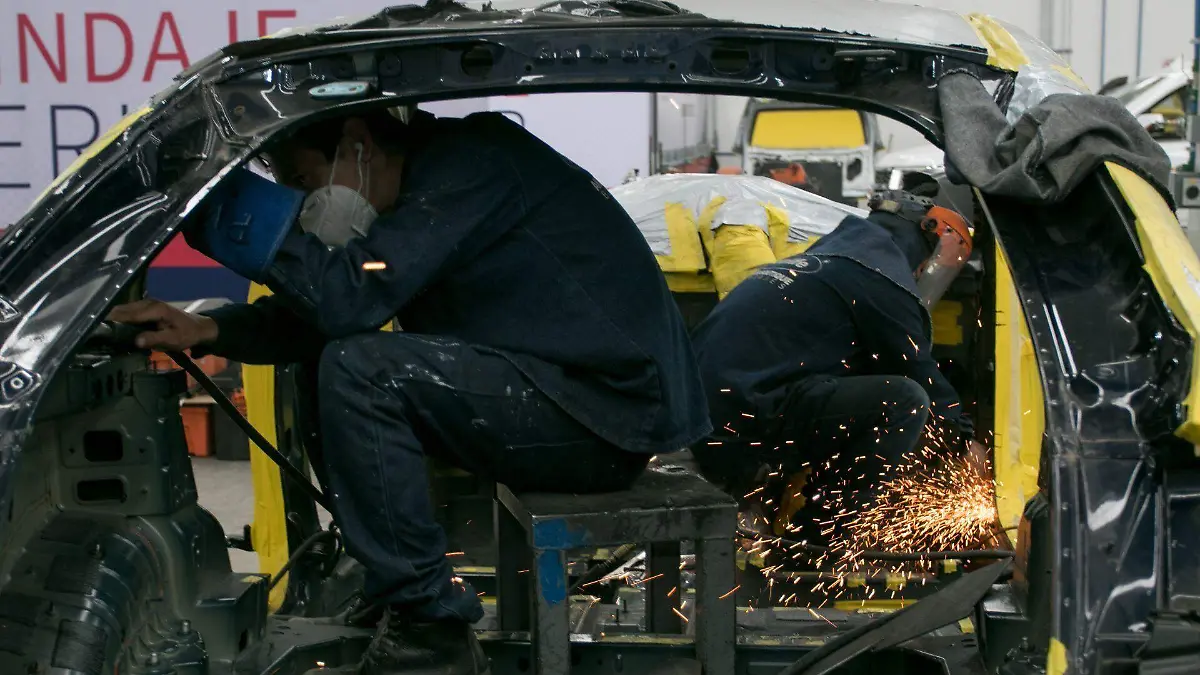
The Mexican automotive industry faces new tariffs on its exports to the United States, with an average of 9.9% during the first half of the year.
For Valencia, the challenge in this tariff environment falls on companies, which must analyze to what extent they can absorb part of the tariff impact and how to manage logistical and administrative costs, while seeking to comply with 75 percent regional content per vehicle manufactured in order to avoid U.S. taxes.
He added that, for the remainder of the year, the Mexican government must consider measures to support the automotive industry, including logistics improvements, such as increasing efficiency at the country’s customs facilities in order to eliminate bottlenecks.
Data from the National Chamber of Freight Transportation (Canacar) indicates that 80 percent of trade in the North American region moves by land, either through cargo trucks or rail.
Source: oem