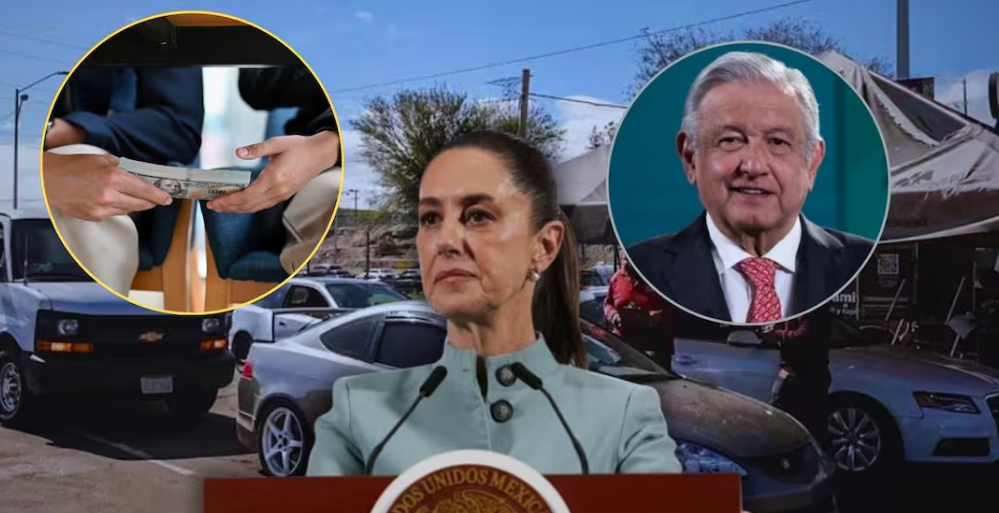

Used-car dealers in Piedras Negras, Coahuila, reported that alleged bribes ranging from 5,000 to 15,000 pesos would allow used vehicles from the United States to enter Mexico without completing the legal importation process at customs checkpoints along the northern border.
According to testimonies collected by El Horizonte, provided under condition of anonymity, vehicle importers would allegedly contact personnel at international bridges in advance to inform them of the crossing date, the vehicle model, and its characteristics.
It is important to mention that these allegations have not been confirmed by the National Customs Agency of Mexico (ANAM). No complaints, case files, or official rulings were presented to verify how many vehicles may have entered through this mechanism or who may have been involved.
How Would the Alleged Bribes Operate at Customs?
One of the sellers interviewed claimed that vehicle importers “reach an agreement” with personnel at the border crossings before transporting the vehicle into Mexico.
According to the testimonies, the payment would depend on the vehicle’s model, year, and type. The vehicles would subsequently be taken to municipalities far from the border or to states in central and southern Mexico, where they would be sold at lower prices than legally imported vehicles.
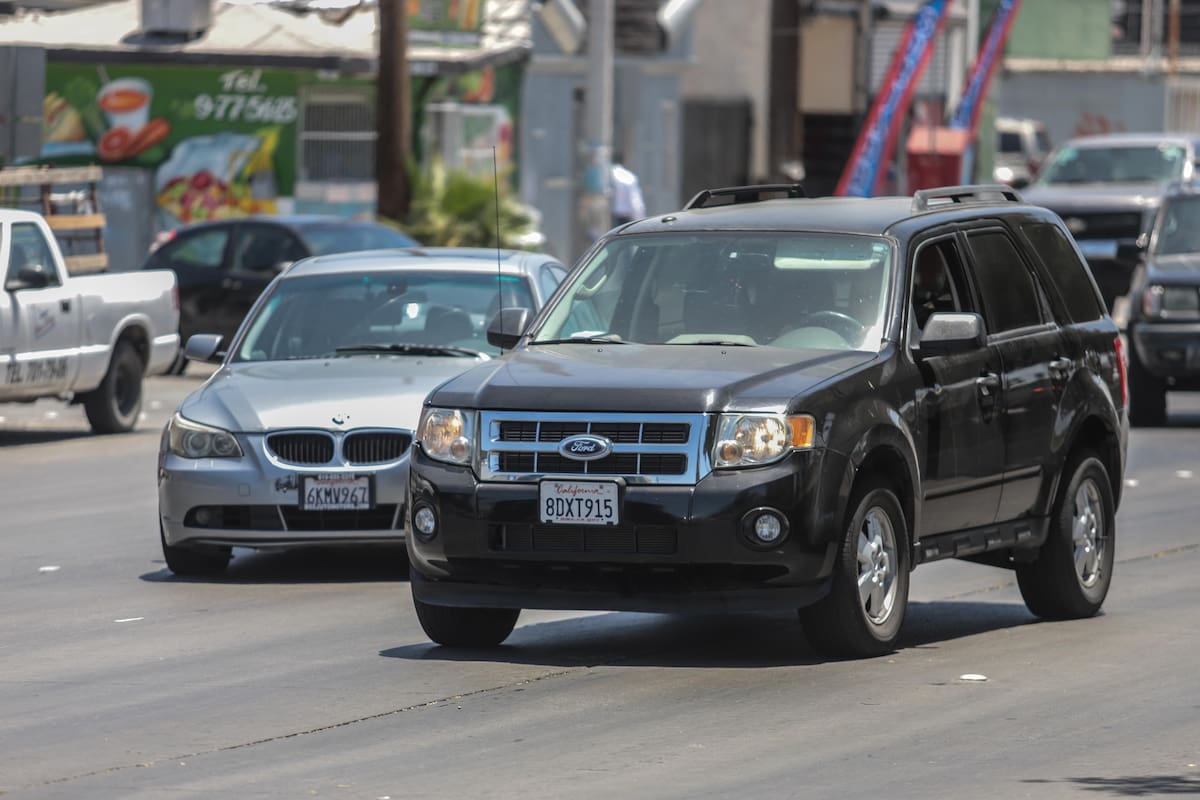
A non-regularized vehicle driving on a boulevard.
The people interviewed by El Horizonte also claimed that many of these vehicles have histories of accidents, damage, or insurance claims in the United States. However, they did not provide documents that would make it possible to determine what proportion of the vehicles have altered titles or records indicating total loss.
Why Were 9,500 Applications Rejected?
The closure of the federal program left thousands of procedures unfinished. Baja California had 10,030 vehicles with pending applications, but only 500 met all the requirements.
José Andrés Pulido Saavedra, the current Secretary of Finance of Baja California, stated that the other 9,500 applications were rejected because the vehicles entered Mexico after October 19, 2021, or because their ownership titles contained irregularities.
You may also be interested in: “Chocolate Cars”: 9,500 Applications Rejected for Failing to Meet Regularization Requirements in Baja California.
His position remains active in the official directory of the state government.
Pulido Saavedra explained that state authorities would advise vehicle owners on how to complete an importation under the regular procedure. He also indicated that assistance would be provided to those seeking to recover the 2,500 pesos paid when beginning the procedure, although the refund requires compliance with certain tax requirements, including having an e.firma.
The 500 approved applications, he added, will move on to the final stage, and their owners will be contacted to complete the process.
Sheinbaum Ended the “Chocolate Car” Regularization Program
The simplified program was eliminated through a decree issued by Claudia Sheinbaum and published on December 31, 2025, in the Official Gazette of the Federation.
Its conclusion did not eliminate the possibility of legally importing used vehicles. The General Rules for Foreign Trade for 2026 maintain procedures for the definitive importation of vehicles that meet the requirements regarding age, origin, documentation, and payment of applicable taxes and duties.
This distinction is important because regularization meant providing facilities for certain vehicles that were already in Mexico, while importation involves legally processing their entry into the country through a customs declaration and complying with customs obligations.
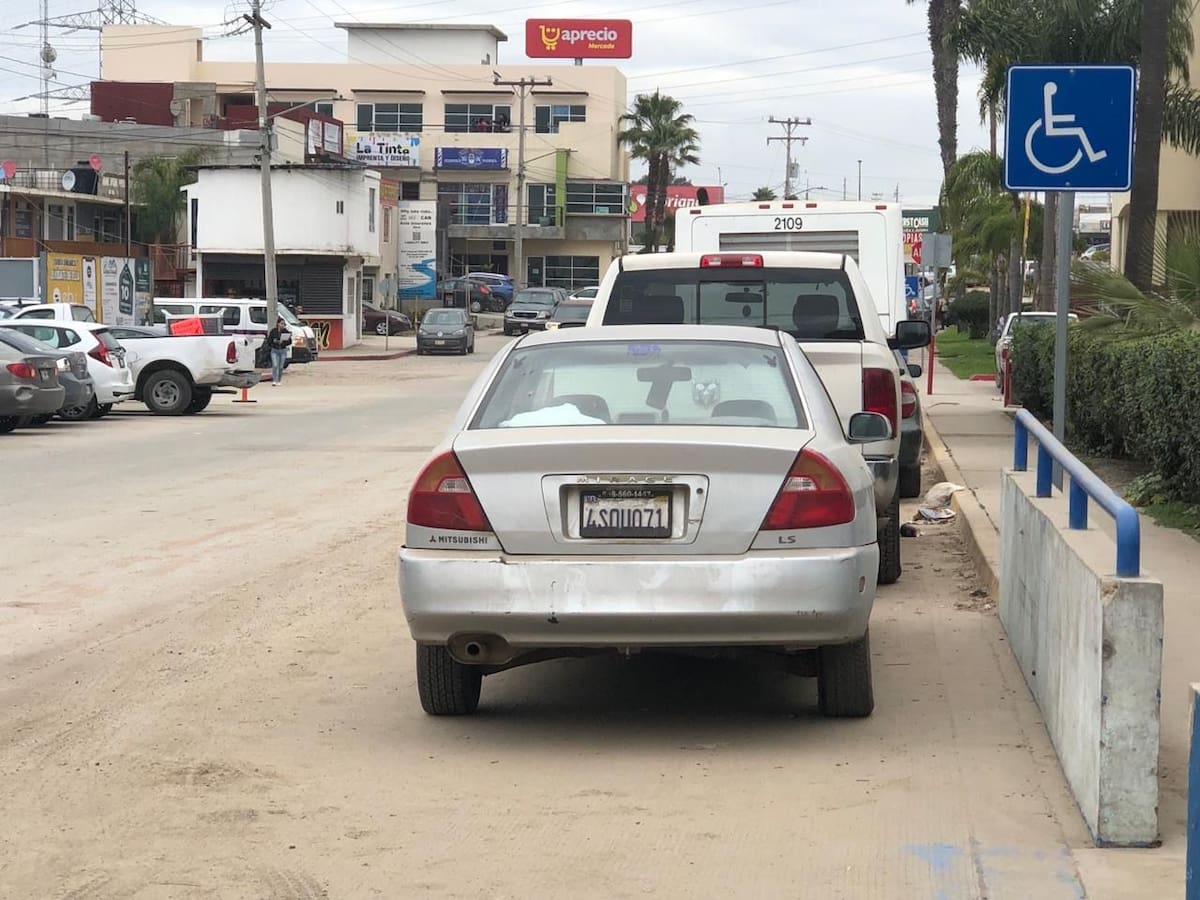
A foreign vehicle without legal license plates parked on the sidewalk of a street in Mexico.
What Risks Does Someone Face When Illegally Importing a Vehicle?
The ANAM warns that failure to comply with customs legislation can result in financial losses, seizure of the vehicle, and, depending on the severity of the case, referral to the federal Public Prosecutor’s Office.
In addition, offering or giving money to a public official so that they perform or omit an act related to their official duties may constitute bribery. Responsibility is not limited to the person who receives the payment; it may also apply to the person who offers it.
Potential acts of corruption can be reported through the ANAM complaints and reports form. The platform allows individuals to describe the events, identify the customs office involved, and obtain a tracking number. The information provided is handled as confidential.
Source: elimparcial