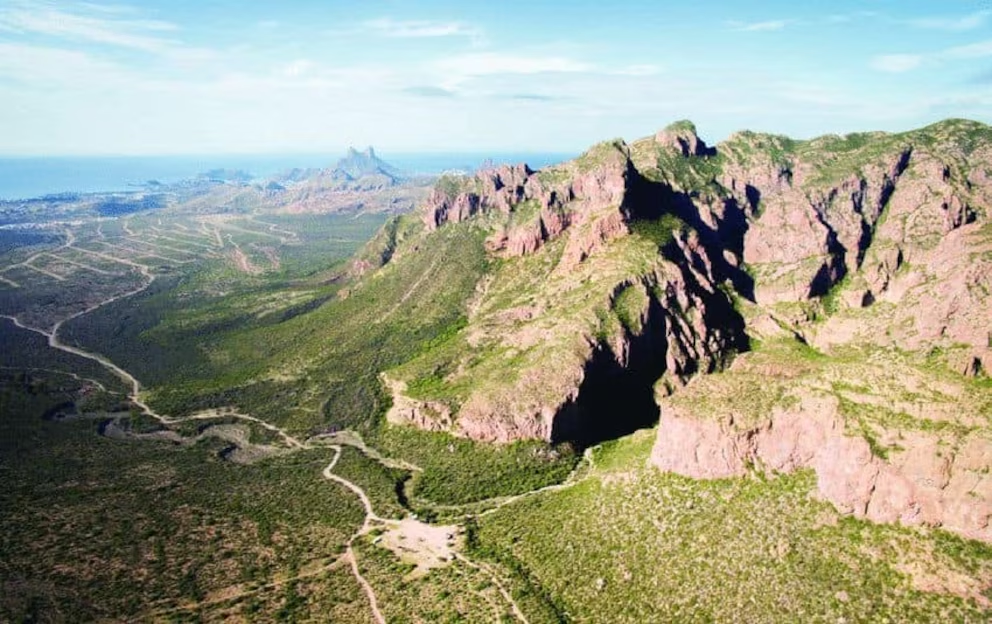

In the heart of the Sonoran Desert, the Nacapule Canyon emerges as an unexpected and vibrant oasis.
This natural enclave, located in the municipality of Guaymas, is just 10 kilometers from San Carlos and has been classified as one of the region’s most unique ecological treasures.
Its surroundings extend for 1.6 kilometers, with walls reaching 300 meters in depth, and it is part of the Cajón del Diablo Special Biosphere Reserve.
The site attracts visitors throughout the year because of its rich biodiversity and the variety of activities it offers. Exploring the canyon transforms the perception of the arid desert into an experience filled with life and color.
Nacapule Canyon is an ideal destination for those seeking adventure, contact with nature, and the discovery of unique species.
The area has become an essential destination for activities such as hiking, flora and fauna observation, and landscape photography, thanks to an ecosystem that defies expectations of the surrounding desert environment.
Location and Access to Nacapule Canyon
Located on the southern edge of the Sonoran Desert, Nacapule Canyon lies in the Sierra El Aguaje, within the municipality of Guaymas.
The main access point is less than 20 minutes by car from San Carlos, making it easily accessible to both national and international tourists.
The route to the canyon begins along a narrow trail surrounded by imposing vertical walls that protect and shelter the ecosystem.
Along the way, visitors are often surprised by the presence of small water streams emerging from an underground river, forming crystal-clear springs.
This natural phenomenon creates a striking contrast with the arid slopes surrounding the area, providing some of the site’s most impressive views.
The canyon is known for its easy access and the diversity of experiences it offers, ranging from family-friendly walks to moderately difficult routes for those looking for additional challenges.
It is recommended to carry out activities with certified guides to ensure safety and make the most of the visit.
Biodiversity: Unique Species and Protected Ecosystems
One of Nacapule Canyon’s greatest attractions is the extraordinary biodiversity it contains.
The area functions as a “biological island,” where life flourishes in the middle of the desert thanks to the unique conditions created by its microclimate and the presence of water.
Approximately 285 species of flora have been identified, including rare species such as the taco palm and the fan palm, which are not commonly found in arid environments.
Among the most surprising plants is Psilotum nudum, a species typically found in temperate and humid areas, whose presence in the canyon is considered exceptional.
The vertical walls and constant humidity allow lush vegetation to develop, creating a dramatic contrast with the dryness outside.
In terms of wildlife, the canyon is home to various species of mammals, birds, and reptiles, some of which are protected because of their vulnerability.
Two endemic mammal species stand out: the long-nosed bat and the chichimoco squirrel, both of which play essential roles in pollination and maintaining the area’s ecological balance.
The site is also ideal for birdwatching, an activity that attracts ornithologists and enthusiasts seeking to document wildlife in an unusual environment for this type of fauna.
In addition, the presence of small springs and natural ponds makes the canyon a gathering place for species such as white-tailed deer, ringtails, and hares, as well as reptiles and amphibians native to the region.
Recommended Activities and Visitor Safety
Hiking is the most popular activity among visitors to Nacapule Canyon. The trails pass through areas of lush vegetation and rock walls that take on golden hues at sunset.
Some routes lead to natural pools, which are ideal for cooling off after a long hike on hot days.
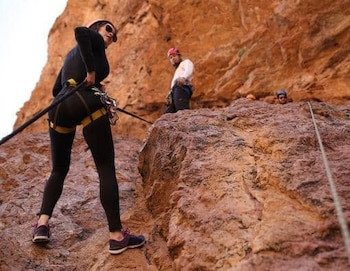
In addition to hiking, visitors can enjoy zip-lining, climbing, and long walks, activities that allow them to explore the canyon’s more hidden areas.
The surroundings are perfect for photography, both of landscapes and flora and fauna, so visitors are advised to bring suitable equipment to capture the area’s natural beauty.
To ensure a safe and enriching experience, it is essential to visit with specialized guides who are familiar with both the routes and potential risks, such as sudden weather changes or encounters with wildlife.
Local guides also provide information about the importance of conserving the ecosystem and the rules designed to minimize environmental impact during visits.
Cajón del Diablo Special Biosphere Reserve: Conservation and Future
Nacapule Canyon is part of the Cajón del Diablo Special Biosphere Reserve, a protected area that safeguards fragile ecosystems and endangered species.
Thanks to this protection, the site has preserved its ecological richness, while responsible tourism is promoted to prevent environmental damage.
Conservation efforts include species monitoring, scientific research, and environmental education for visitors and nearby communities.
These actions seek to ensure that the canyon continues to serve as a refuge for endemic species and as a source of inspiration for those who visit.
The combination of breathtaking landscapes, unique biodiversity, and outdoor activities makes Nacapule Canyon an essential destination for those seeking authentic experiences and direct contact with nature.
The area has become an example of harmony between tourism and conservation, demonstrating that it is possible to enjoy the environment without compromising its future.
A Complete Experience: Trails, Tranquility, and Connection with Nature
Beyond adventure, Nacapule Canyon offers spaces for tranquility and contemplation. Its gentle trails allow people of all ages to enjoy peaceful walks, birdwatching, or simple photography sessions.
The panoramic views and silence of the desert invite reflection and a deeper connection with nature.
The canyon’s surroundings stand out not only for their beauty but also for the opportunity to discover the diversity hidden within the Sonoran Desert.
Source: infobae