
The cost of housing, utilities, and food is increasingly high in different cities across the country. Here is a comparison between the cheapest and most expensive places to live in 2026.
As we know, the cost of housing and other basic expenses has risen sharply in recent years, making it worthwhile to look for alternatives. Here is a ranking of the cost of living in different cities across the country, comparing rent, food, and utilities to determine where your money goes further and where you will have to spend more.
According to INEGI records, between 2021 and 2025, housing, food, and basic service prices increased by almost 31%. Although inflation has not risen dramatically, it accumulates over time and affects different locations in different ways. The growing demand for houses and apartments is driving prices up significantly, particularly in large cities.
Utilities such as water and electricity have also become more expensive, making maintaining a household in places such as Mexico City increasingly difficult. According to statistics, cities in southeastern and central Mexico generally maintain lower living costs, while Mexico City and cities in the north and Bajío regions report higher prices.
There are several economic and social indicators used to calculate how much everyday life costs for Mexicans. This is a comparison between the most affordable cities and those currently reporting the highest costs.
The Cheapest Mexican Cities to Live in 2026
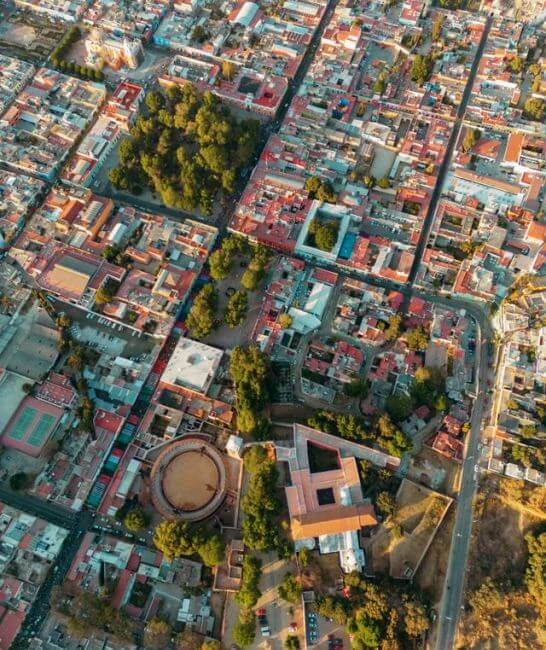
Tlaxcala, Tlaxcala
The state capital is considered the most affordable city in the country, with housing prices starting at 1.2 million pesos and average monthly rents of 3,900 pesos. It is an accessible city with a pleasant climate that also maintains low costs for essential services and food thanks to local production. It is also a quiet and safe city without the traffic congestion found in major urban areas.
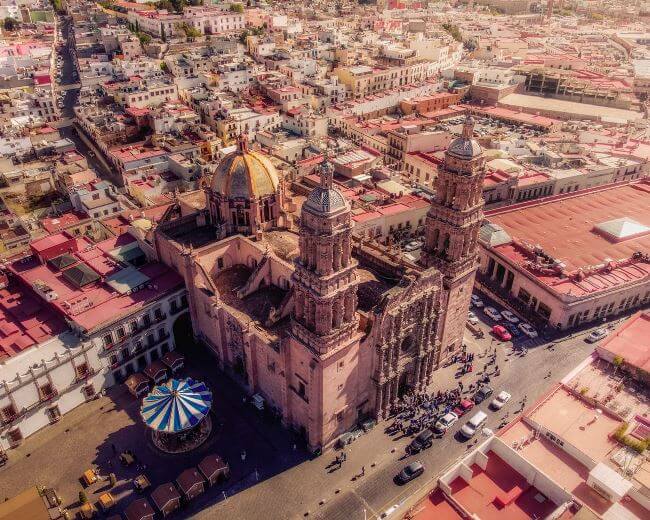
Zacatecas, Zacatecas
Known for its architectural treasures, beautiful landscapes, museums, and festivals, the capital of Zacatecas is an affordable city with a relaxed pace of life. Because it is a relatively small urban area, schools, businesses, and workplaces are generally located within short distances. Housing, utilities, and food prices are affordable, while the city also maintains a strong sense of local community.
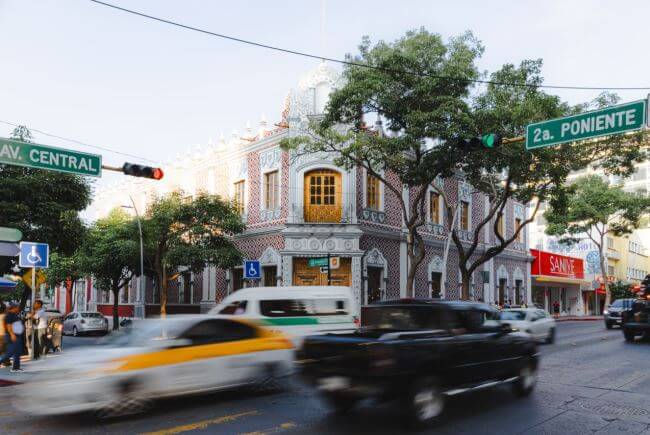
Tuxtla Gutiérrez, Chiapas
This city remains one of Mexico’s most affordable state capitals, with fresh and reasonably priced food and a stable real estate market. It has all the necessary services, maintains a relaxed pace of life, and is surrounded by natural attractions such as Sumidero Canyon and other ecological reserves. It is also the economic and social center of the state of Chiapas, which is known for its impressive tourist destinations.
Other Cities With an Affordable Cost of Living
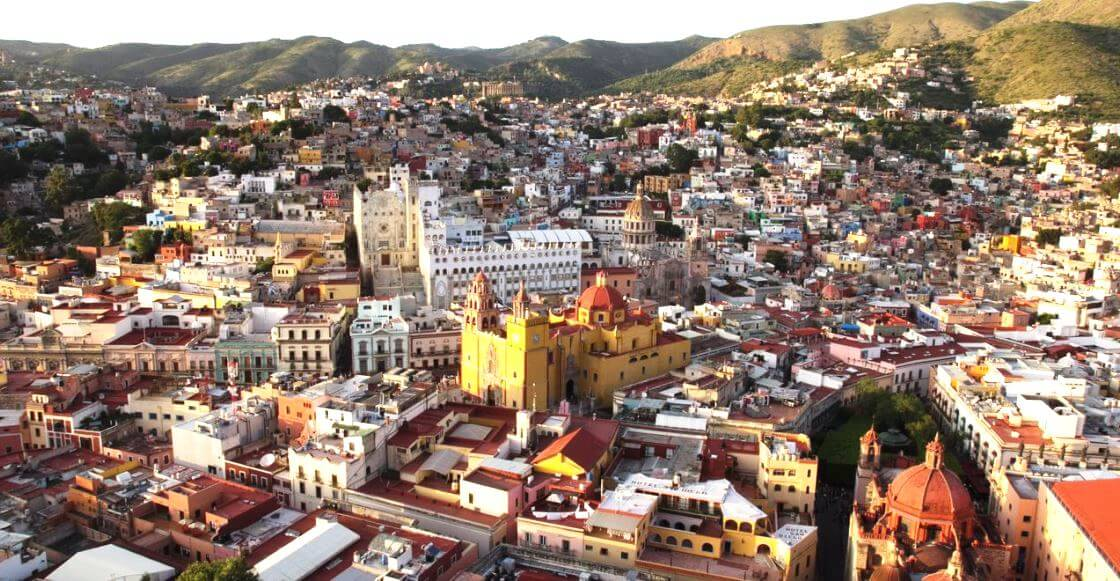
Other cities that offer favorable costs include the state capitals of Durango, Campeche, and Guanajuato. In addition to their affordable and peaceful lifestyles, these cities offer significant cultural wealth and access to natural surroundings.
The Most Expensive Cities in the Country
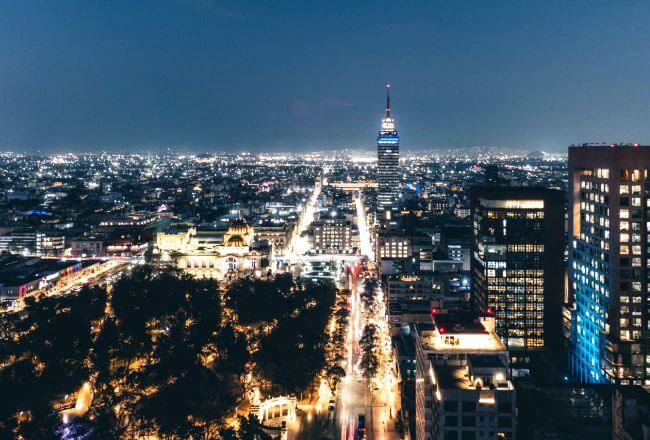
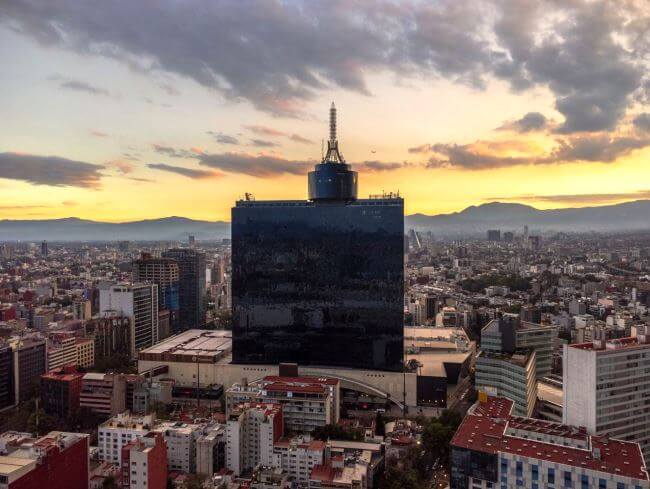
Mexico City
As the country’s capital, Mexico City has the highest concentration of jobs and educational opportunities, along with the greatest demand for housing. Housing has become increasingly scarce due to gentrification and short-term rentals. With an average monthly rent of more than 21,000 pesos and an average home price of nearly 4 million pesos, household expenses in Mexico City are also among the highest.
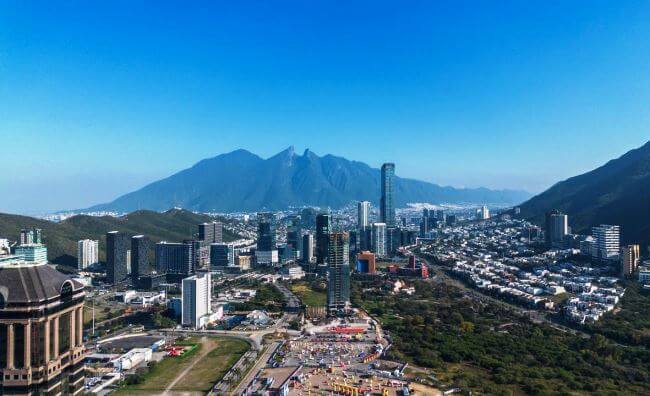
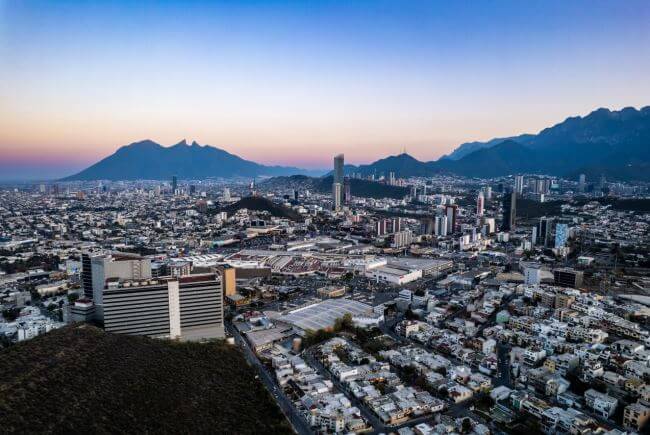
Monterrey, Nuevo León
Life in the “Sultana of the North” has become more expensive due to factors such as the industrial boom, high foreign investment, and rapid population growth. Housing and rental costs have risen sharply because of the shortage of spaces near employment centers, with monthly rents reaching as much as 25,000 pesos. The city’s high level of commercial activity also increases the overall cost of goods and services.
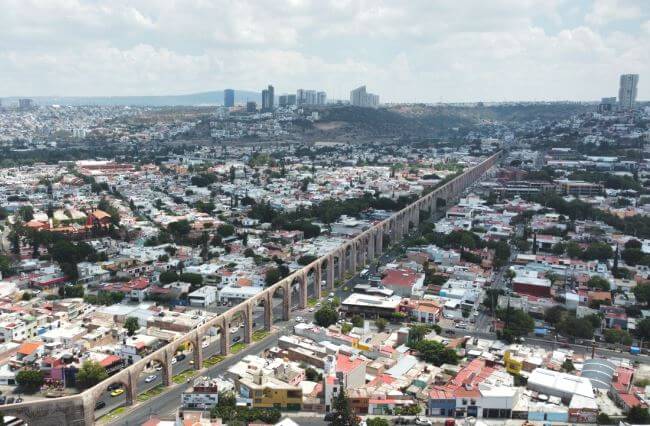
Querétaro, Querétaro
The capital of Querétaro also has high living costs due to rapid population growth and the arrival of new residents with greater purchasing power from Mexico City and other parts of the country. Its growing population and industrial and economic development have placed pressure on local infrastructure, affecting the prices of utilities, food, and transportation.
Other Cities With the Highest Living Costs
Other cities with some of the highest housing, utility, and food costs include Guadalajara, the country’s second-largest city by population, and Los Cabos. Although Los Cabos is not the capital of Baja California Sur, its real estate market is largely based on luxury tourism, with prices often set in dollars. The region also produces much of its food elsewhere, while water and electricity costs are high due to limited local natural resources.
Source: sopitas