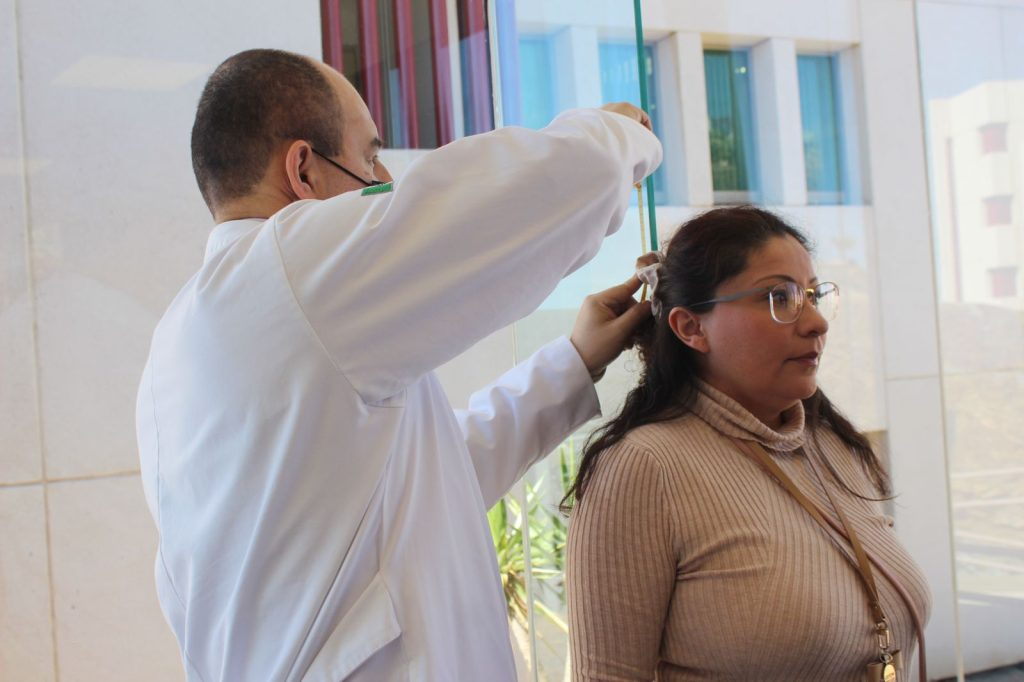

With an investment of around 400,000 pesos, some of the 384 new primary care clinics that will begin operating in January 2027 in Zacatecas will be established in communities far from the municipal seats of Valparaíso, Mazapil, Teúl de González Ortega, and Francisco R. Murguía.
This initiative will have a positive impact, because previously, health caravans arrived in these communities every 15 days, which made access to medical care difficult, reported Omar Alberto Venegas Gurrola, director of Medical Care at the Zacatecas Ministry of Health (SSZ).
He specified that the 384 primary care clinics will operate in the most remote communities of the state, as part of the decree signed by President Claudia Sheinbaum Pardo for the creation of 12,750 clinics belonging to the Universal Health Service.
For the establishment of these spaces, he explained, the existing infrastructure of the SSZ, the Mexican Social Security Institute (IMSS), and the Institute of Social Security and Services for State Workers (ISSSTE) will be used. There will also be resources for basic equipment, such as stethoscopes, blood pressure monitors, glucometers, and other supplies necessary to provide care to patients.
HIRING OF STAFF AND MEDICATIONS
Venegas Gurrola emphasized that these spaces will allow people living in the most remote areas to have immediate access to first-level medical consultations to treat conditions such as the flu, diarrhea, and conjunctivitis, among other illnesses that can be treated promptly. They will also be able to receive the corresponding medication.
“In this way, the population does not have to travel to another community or to the municipal seat to receive care, nor do they have to spend money at private pharmacies that have an attached medical office, which then generates an expense for the consultation as well as an expense for the medication,” he stated.
The director of Medical Care specified that the hiring of doctors, nurses, and, when necessary, auxiliary staff will begin during this month, as the objective is to provide care in the morning and afternoon, as well as on weekends.
He also highlighted that the clinics will have 90 basic medication categories, something that was not previously available. He therefore insisted that this represents a good opportunity for the state to improve the quality of healthcare.
Source: ntrzacatecas