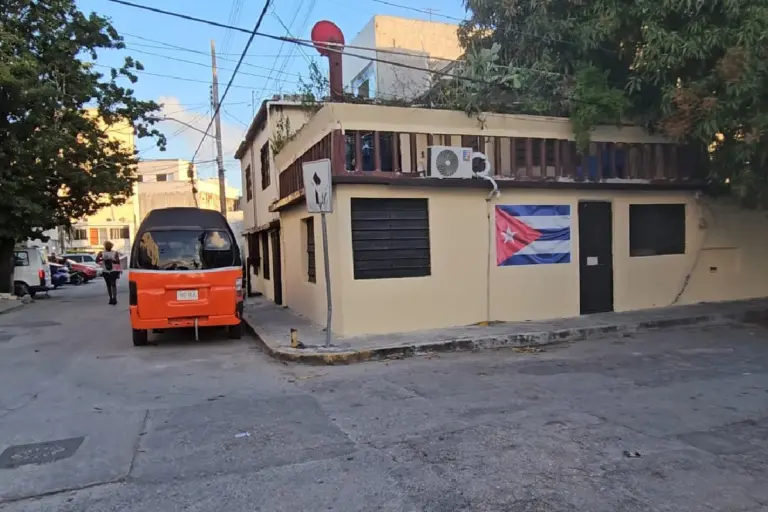

Without documents, without money, and unable to practice their profession, dozens of Cubans deported from the United States arrive in Cancún, Quintana Roo, seeking an opportunity to work, even if this means doing so under precarious and informal conditions.
“I’m looking for work, I’m 25 years old, somewhere they don’t ask for papers,” reads one of the messages posted in job-search groups in Cancún on social media. It is signed by Cristina, a young woman who recently arrived in the city.
Solidarity comes from Cubans who are organized themselves or from those who already have experience looking for work without documentation. “There are jobs at the Central de Abastos on Colosio,” one of her compatriots responds.
Without a support network and easy targets for employers
The testimony of Raúl Hernández, a Cuban citizen residing in Cancún, confirms that his compatriots often arrive without a support network. Faced with the need to survive, they find precarious jobs where employers take advantage of their lack of documents to avoid labor-related complaints. “Sometimes they delay their pay, and other times they pay them less than they are entitled to,” he says.
Raúl was deported to Mexico and in Cancún became a content creator aimed at the Cuban community, while he awaits a response to his application for residency in the country. On his platform, he provides information about procedures with the National Institute of Migration (INM) and, particularly, the Mexican Commission for Refugee Assistance (COMAR). Many of these procedures are free, although they are fraudulently offered for a fee on social media and WhatsApp groups.
Raúl says that the sectors where they are most frequently hired include domestic service in the residential areas around Huayacán Avenue and private security companies without benefits. They also work washing cars, as waiters, construction workers, or in sex work, even when they are professionals.
Informality and xenophobia grow alongside each other in Cancún
Marilyn Torres, a lawyer, activist, and president of the CISVAC Foundation, an organization dedicated to providing legal assistance to migrants, maintains that Quintana Roo lacks migration policies and adequate shelters to address this social phenomenon.
“Quintana Roo does not have a shelter specifically for migrants. We do not have temporary accommodation to provide support while a person handles their legal documents,” Torres says.
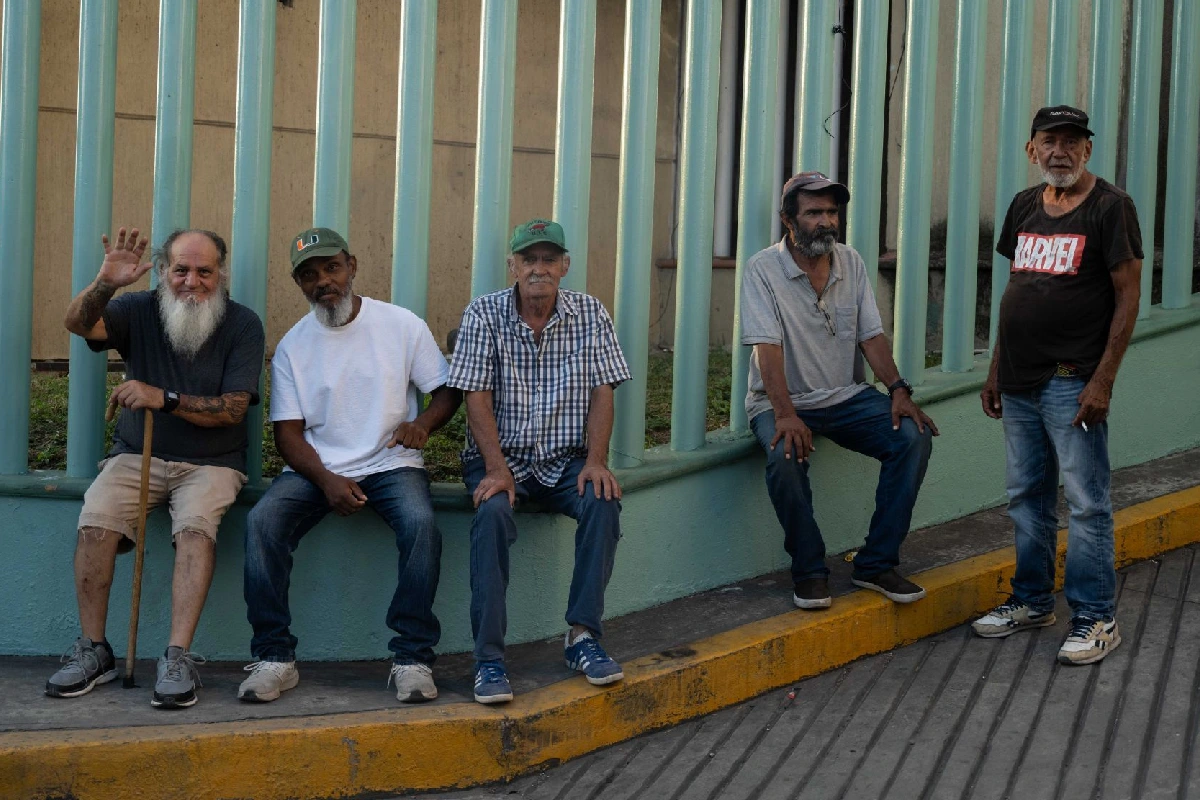
For this reason, people coming from Migration offices in Chiapas who travel to Cancún end up spending days or even weeks living on the streets. This problem is concentrated around the ADO bus terminal in the downtown area, a place known as “Little Havana” since 2016.
At that location, several small hotels have adapted to offer weekly or monthly rates, housing the Cuban community almost exclusively.
Alongside precarious jobs and the rising cost of housing in the city center, migrants face discrediting campaigns and xenophobia. This intensified after a confrontation between a Cuban citizen and a local resident in Supermanzana 23, an incident that led to calls for lynching through social media.
The situation has caused multiple landlords and employers to refuse to rent housing or offer work to Cuban migrants under the stigma that they are “problematic,” according to Raúl Hernández. Because of this rejection, several are forced to migrate toward Mérida and other nearby cities in search of opportunities.
“People let social media influence their decisions. If they see posts saying that Cubans cause problems, they won’t rent to them or give them jobs. But in the end, we are all survivors, and we find a way to move forward,” he concludes.
Source: grupoanimal