
The Secretariat of Environment and local governments are coordinating urgent actions. Authorities are preparing a comprehensive plan in Puerto Vallarta and surrounding areas. The initiative seeks to mitigate incidents recorded in tourist and urban areas. Semarnat Secretary Alicia Bárcena Ibarra announced meetings with key sectors. Hotel industry representatives and technical specialists are participating in these working sessions. The central objective is to establish clear preventive signage protocols. Warnings will focus on river mouths during the afternoons. “We seek to promote a culture of coexistence with native wildlife,” Bárcena stated.
Relocation and Habitat Protection Strategies
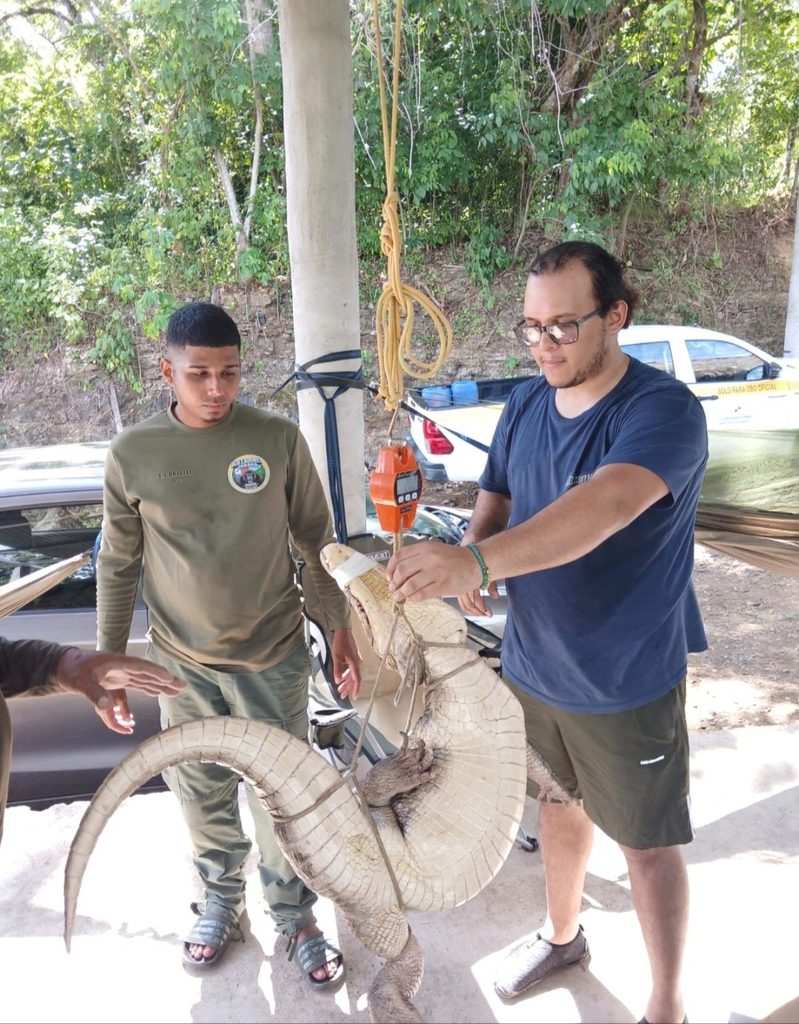
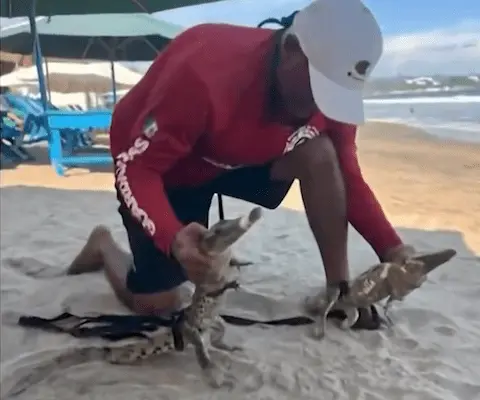
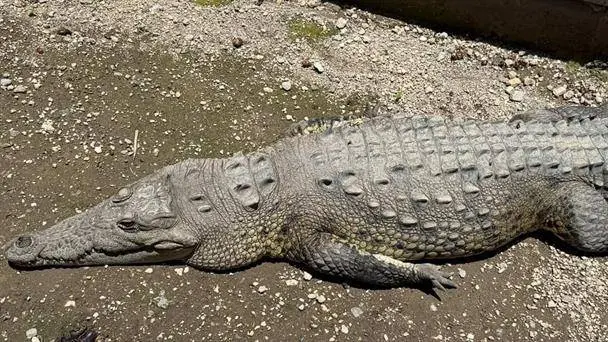
Additionally, the project includes the strategic relocation of various specimens. The animals will be transferred to protected sanctuaries and specialized crocodile facilities. This task will be carried out in partnership with the SOS Cocodrilo organization. The official categorically ruled out any intention to euthanize the animals. On the other hand, Bárcena acknowledged that infrastructure encroaches on natural areas. The expansion of hotel developments and golf courses has altered the environment. Therefore, the agency will strictly monitor future construction permits. Conagua and Semarnat will rigorously oversee concessions in federal areas.
Coexistence Crisis and Institutional Response
It should be recalled that this issue intensified following recent fatal attacks. A tourist lost his life last June in Marina Vallarta. Following that incident, the local population reacted violently. Since then, at least 14 crocodiles have been killed as a result of human attacks. Against this backdrop, the agencies are seeking to stop the hunting of these animals. The estimated population in the region ranges between 300 and 350 reptiles. Authorities hope to restore balance through education and oversight. In this way, the safety of residents and visitors will be ensured.
Source: regeneracion