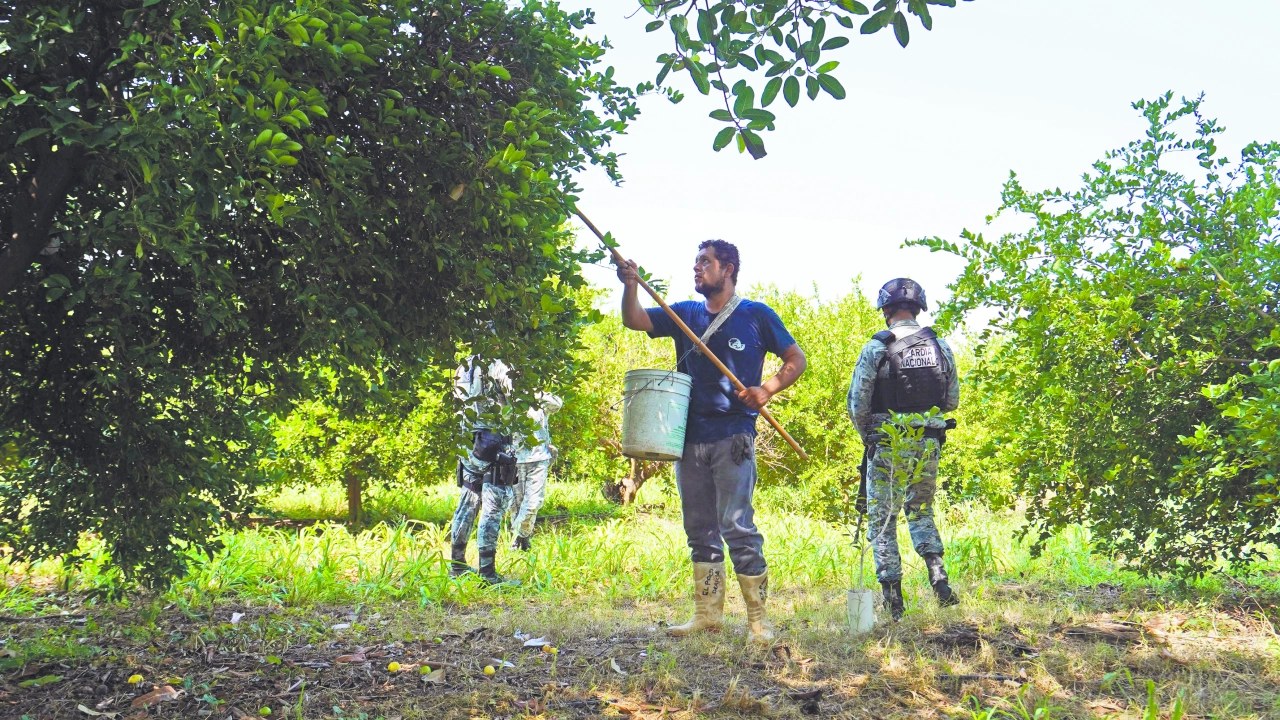

On September 4, the General Directorate of Plant Health notified, through official letter B00.01.01.01.02.-08373/2026, the precautionary suspension of Hass avocado exports by the company Aguacates Chahena to the United States of America and the People’s Republic of China, after avocado branch borer larvae were detected in a shipment sent to the U.S. market.
This resolution brings a halt to the company’s commercial operations in those markets, as well as the risk of operational shutdowns at its processing plant and the eventual relocation of its personnel to distant facilities, such as those in Ciudad Guzmán.
This situation represents a risk to packaging lines due to possible cross-contamination of other processing facilities in the area, which could jeopardize compliance with the weekly delivery contracts assumed by the packing company.
It is worth noting that this sector, which is under scrutiny by the U.S. government, has been affected by practices that put the supply chain at risk, as it has been reported that some packing companies introduce avocados from other states or from unauthorized orchards to meet the demand and volumes required by international buyers.
“The fruit is brought into the Michoacán plants to be processed and covered by the traceability records, permits, and customs documents corresponding to properties that do have the certification required for foreign trade,” workers reported.
Víctor Manuel Mendoza Pantoja, general secretary of the National Central Confederation (COCENA), has previously pointed to the existence of schemes involving the falsification of the fruit’s origin and a lack of rigor in phytosanitary inspection controls.
The agricultural sector’s union leader has stated that the persistence of these practices at packing facilities puts bilateral trade agreements at risk and creates the possibility that U.S. health authorities could impose a total halt on exports of the product from Michoacán and surrounding regions.
As part of the Second Government Report, the Secretariat of Labor and Social Welfare (STPS) reported on actions related to the Labor Certificate for Agro-Exports and the use of the VELAGRO digital platform.
The federal agency stated that these mechanisms are intended to verify compliance with obligations regarding hiring, employment conditions, and social security for agricultural workers within the production chains involved in international trade.
In the case of the certificate for the avocado sector, it is expected to begin operating this September.
Source: eleconomista