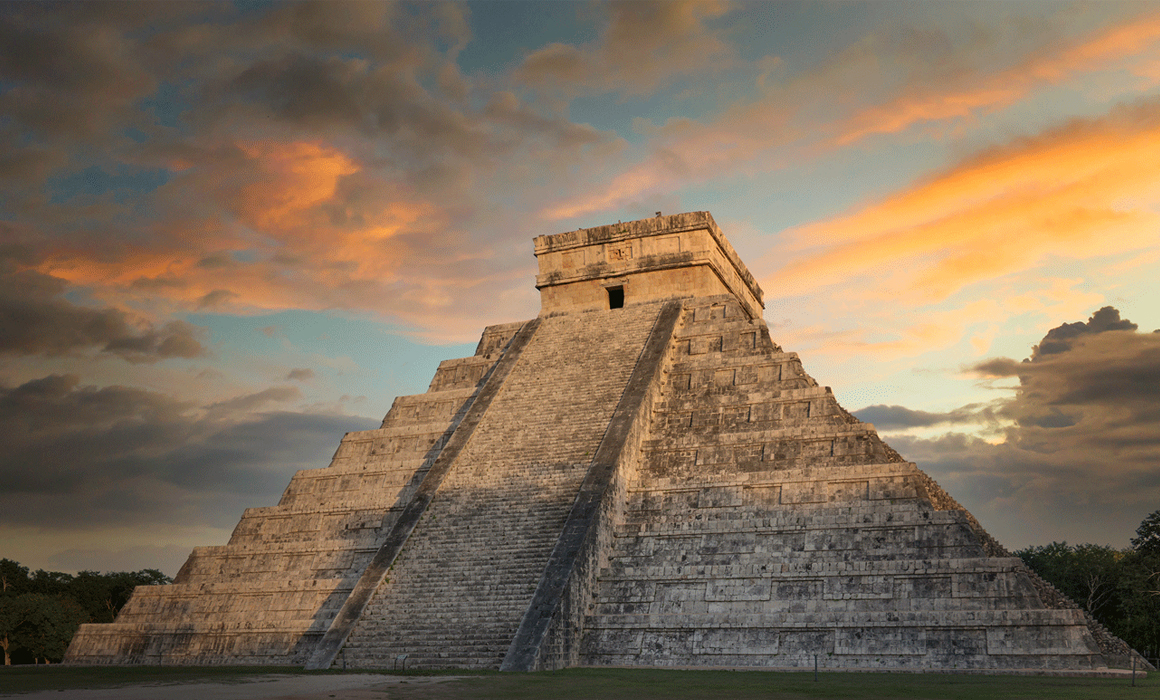

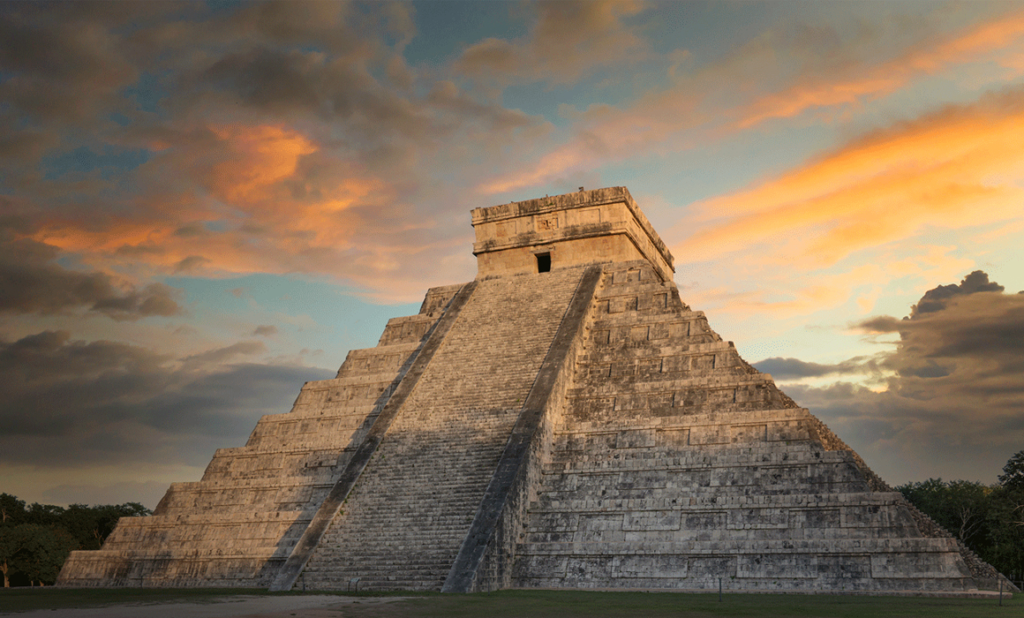
The archaeological zone of Chichén Itzá remains the most visited archaeological site in Mexico, despite recording a decrease of nearly 10 percent in the number of visitors over the past year, reported the head of the Secretariat for Tourism Development (Sefotur), Darío Flota Ocampo.
The official stated that this reduction is not exclusive to Chichén Itzá, but is part of a national trend that has affected the country’s main archaeological sites for more than a year.
He explained that the temporary closure of Chichén Itzá that occurred in May is not currently a determining factor in the figures, because tourism activity has already returned to its normal pace.
“In fact, the decrease we have been seeing for a year is around 10 percent,” he said.
Flota Ocampo indicated that approximately 80 percent of Chichén Itzá visitors come from Quintana Roo, so the decline in tourist arrivals to that state is also reflected in the number of people taking excursions to the archaeological site in Yucatán.
He clarified that the decline is not currently related to the activities of artisans or to the operation of the new Visitor Service Center, which, he assured, is operating properly.
“The new visitor service center is there, and it is working very well with the changes,” he stated.
The head of Sefotur added that the decrease is also being observed at other nationally important tourist sites, including Tulum and the pyramids of Teotihuacán. Therefore, he considered that Chichén Itzá will continue to lead the national ranking of archaeological sites with the highest visitor numbers.
Regarding Yucatán’s dependence on tourism from Quintana Roo, the official maintained that, except in specific cases such as Chichén Itzá and, to some extent, Valladolid because of day-trip tourism, the state does not depend significantly on that market.
On the contrary, he highlighted that an increase has been observed in visitors from Quintana Roo who stay in destinations in eastern Yucatán, such as Valladolid, Río Lagartos, and El Cuyo. He also noted that investors from Quintana Roo have begun acquiring hotels and restaurants in the region.
Source: yucatan.quadratin