
So far, health authorities have confirmed an investigation into the death of an adolescent and the deployment of a coordinated medical and epidemiological operation between the two states; an estimated 35 residents have symptoms of an illness that has not yet been identified, which unofficial reports suggest could be dengue.
CULIACÁN.— A health alert has raised alarms in the mountainous region dividing Sinaloa and Chihuahua, after residents of the community of Jicapore reported dozens of people falling ill and the deaths of young people, allegedly affected by an illness that has not yet been identified.
The information began circulating based on local reports warning about the deaths of two young people and at least 35 residents with similar symptoms in this mountainous community, located in a difficult-to-access area between Sinaloa and Chihuahua. So far, health authorities have confirmed an investigation into the death of an adolescent and the deployment of a coordinated medical and epidemiological operation between the two states.
According to the Government of Chihuahua, the Secretariat of Health activated medical care and epidemiological investigation efforts in Jicapore, in coordination with health authorities in Sinaloa, due to the community’s location in a border area.
The case remains under surveillance by authorities because there is still no confirmed cause of the illness. Unofficial reports suggest that it could be dengue, but this has not been confirmed by any authority. The investigation will have to determine whether it is an infectious disease, a community outbreak, poisoning, an illness associated with environmental conditions, or another risk factor present in the area.

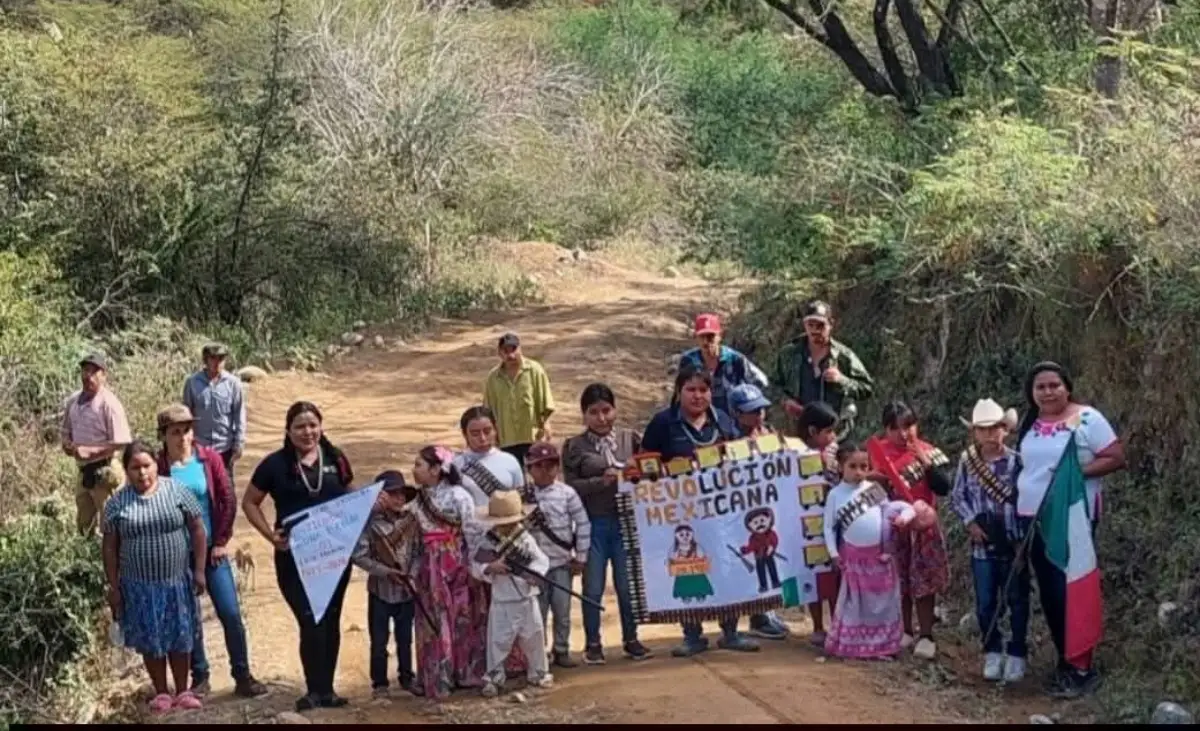
Jicapore is located in an isolated mountainous region, where access to specialized medical services can be complicated by distance, geographic conditions, and the dispersion of communities. This makes any health emergency more delicate: when an illness spreads in a remote community, the time required for medical attention, transportation, and diagnosis can make the difference.
The intervention by Health personnel seeks to identify symptoms, examine sick people, collect epidemiological histories, identify possible contacts, and determine whether there is a common pattern among the reported cases.
So far, authorities have not publicly reported a definitive diagnosis or confirmed that a specific disease is behind the cases. For this reason, specialists generally recommend avoiding premature conclusions until clinical and laboratory results are available.
Background of Neglect
The mountainous region of Sinaloa and Chihuahua has a history of vulnerability due to isolation, poverty, difficult-to-access roads, and limited availability of health services. In communities of this type, an outbreak represents not only a medical problem but also a logistical one: bringing personnel, medications, samples, ambulances, or patients to hospitals can take longer than in urban areas.
The case also highlights the need for interstate coordination. Because the community is located between two states, medical care cannot depend solely on one health jurisdiction. Epidemiological surveillance requires the exchange of information, identification of patients, and monitoring of possible cases on both the Sinaloa and Chihuahua sides.
Local reports indicate that residents of Jicapore requested urgent assistance out of fear that the illness could spread. Concern grew because, according to those reports, several people developed similar symptoms and families fear that there could be further complications if the cause is not established soon.
The Secretariat of Health of Chihuahua reported that it is maintaining medical care efforts in coordination with Sinaloa. However, so far, details such as the total number of people treated, predominant symptoms, patients’ ages, laboratory results, or the probable cause of the death under investigation have not been publicly disclosed.
The absence of an official diagnosis means the case must be handled cautiously. In health emergencies of this type, authorities must rule out different scenarios before confirming a cause: vector-borne diseases, respiratory or gastrointestinal infections, zoonotic diseases, food or water poisoning, exposure to substances, and other illnesses that can affect rural communities.
While the investigation continues, the main recommendation for the population is to seek medical attention for severe symptoms, avoid self-medication, and follow the instructions of health authorities who visit the community.
The Jicapore case comes at a time when state health systems are monitoring communicable diseases and community outbreaks in different regions of the country. In rural and mountainous areas, this surveillance faces greater challenges due to the distance between communities, lack of regular transportation, and difficulties transporting samples or patients.
For the families of Jicapore, waiting for a diagnosis is taking place amid uncertainty and fear. What is an epidemiological investigation for authorities is an immediate emergency for the community: sick people, a death under investigation, and the need to know what is happening.
The priority now will be to confirm the cause of the illness, provide care to affected residents, and prevent the problem from growing in a region where arriving too late can cost lives.

Source: lasillarota