
Tourism Service Providers in Southern Quintana Roo Face a Difficult Start to the Low Season
Tourism service providers, restaurant owners, and hoteliers in Chetumal, Calderitas, and Bacalar are facing a difficult start to the low season, with occupancy rates between 30% and 40%. After a summer period that failed to meet projected targets, the business sector attributes the decline to customs obstacles involving Belize, global economic factors, the financial strain of the return to school, and the lack of cultural events in the region.
September, October, and November are the most difficult months for these resort cities.
With hotel occupancy rates between 30% and 40% at the beginning of September, tourism service providers, restaurants, and workers in Chetumal, Calderitas, and Bacalar are now facing the low season after a summer that fell short of expectations for part of the sector.
According to the Quintana Roo Tourism Secretariat, during the week of August 29 to September 4, hotel occupancy in the Grand Costa Maya reached 30%. Business owners in the south said that the summer also failed to reach last year’s levels, while restaurant workers are already noticing a reduction in customers due to the return to school.
The president of the Association of Hotels and Tourism Services of Central and Southern Quintana Roo, Raúl Andrade Angulo, attributed the decline to multiple factors, including airline fuel costs, the effects of the World Cup, and pressures from the United States. As a result, hotel occupancy did not exceed 70% during the summer, and September will begin with only 35% operations.
“It was a very difficult year not only for Mexico and Quintana Roo, but for many countries. Many people did not visit us because they chose the World Cup, and the United States market had problems. It was a combination of effects, but we are doing our part so that the next season will be much better. This summer was atypical; we did not reach the expected levels. We were around 65%, while last year we reached levels of 85%. We are starting September at 35% to 40%,” he said.
Customs obstacles and external factors reduce visitor numbers
The president of the Chetumal-Tulum chapter of the National Chamber of Commerce, Services and Tourism (Canaco Servytur), Adrienne Díaz Alamilla, said, without specifying figures, that during working meetings they had raised with the state government a decline in the arrival of Belizean visitors due to immigration procedures and “poor service experiences” in the city.
“There were visits, but where we noticed a decline was among visitors from Belize coming to Chetumal. The customs procedures are very complicated. They say that we do not treat them well here. It is a problem that business owners have to solve in order to improve the quality of service in the business sector, while the government needs to address the paperwork, because Belizeans go somewhere else,” she said.
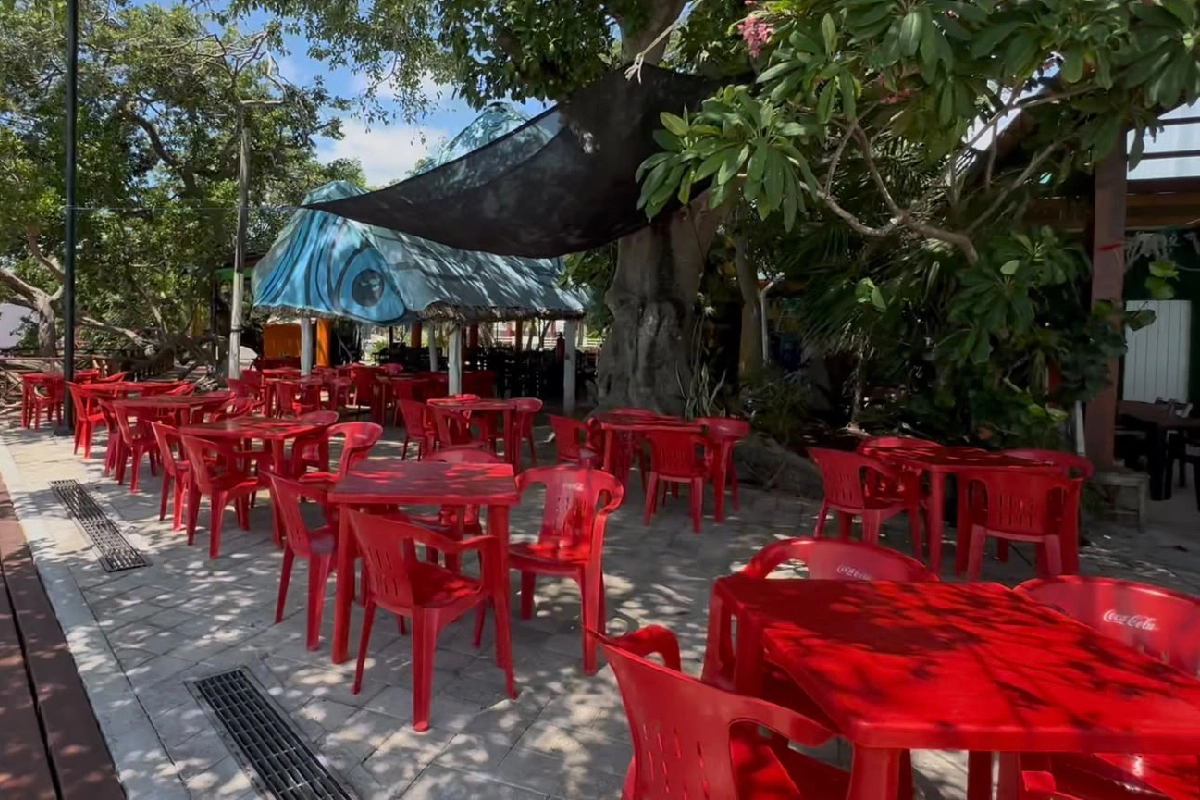
Factors such as the World Cup year and the difficulties Belizeans face when visiting Mexico have complicated tourism.
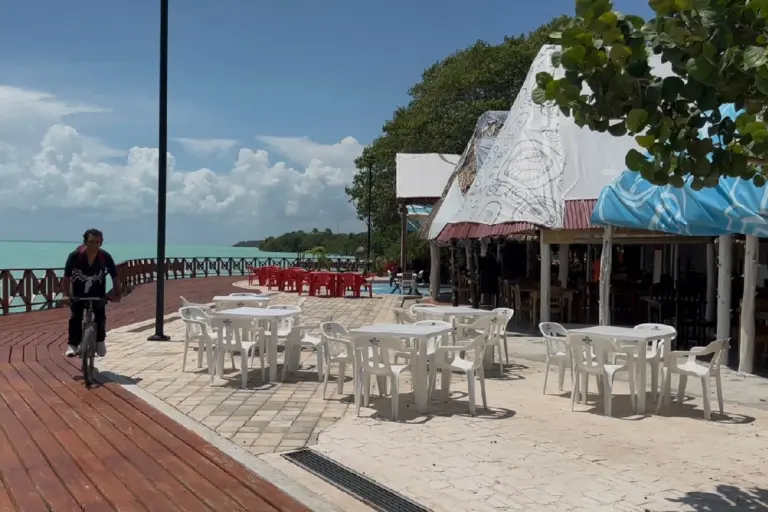
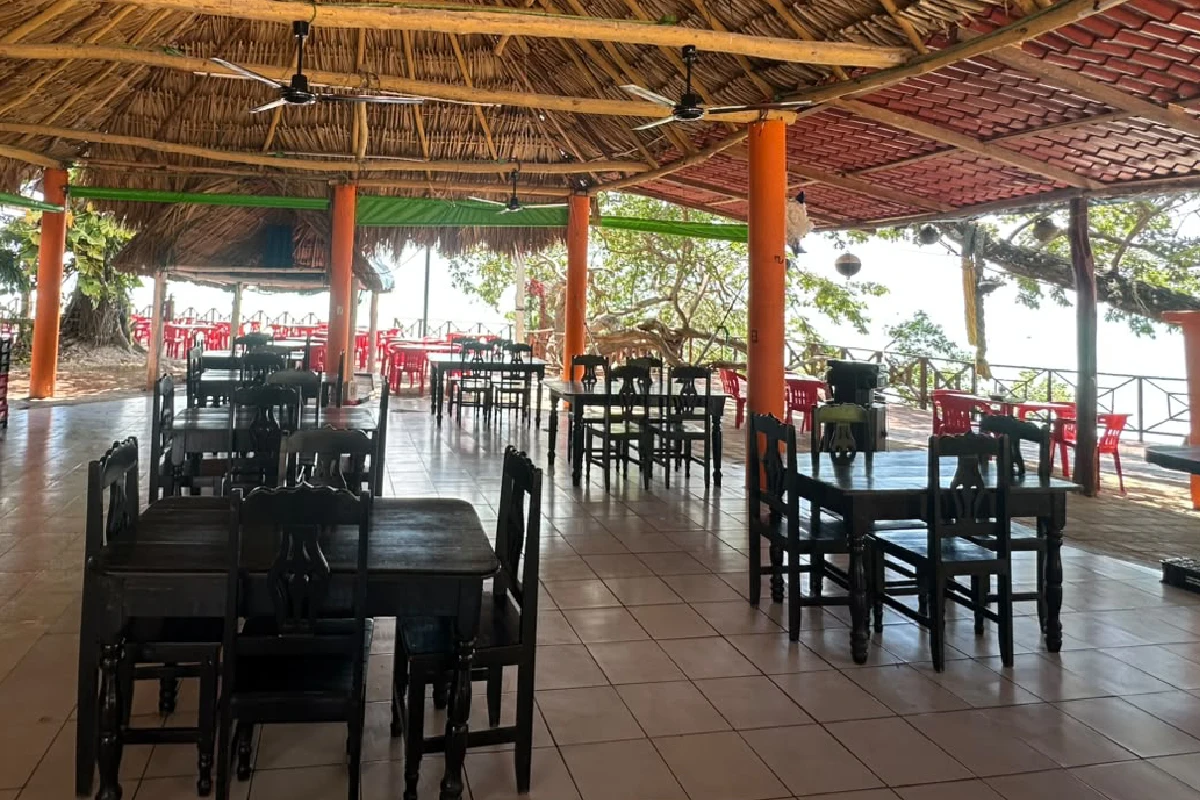
The observations of business leaders are joined by the experiences of those who work directly with visitors every day. In Calderitas, about 15 minutes from Chetumal and just over a year after the renovation of the tourism corridor, restaurants have empty tables during the week against the turquoise waters of the bay and one of the area’s best sunsets.
Different experiences among workers in the area
The scenery remains, but activity declined with the end of the vacation period. Evelyn Regina Rodríguez, a waitress at Los Cerros restaurant, explained that the return to school and family expenses have reduced sales. Although there is still work and some customers continue to arrive, she says business is no longer what it was five years ago.
“Sales have gone down. It is understandable with the children going back to school; people have a lot of expenses, so sales decrease a little. But, thank God, there is work, some people come, and we manage to stay afloat. But it is not like five years ago; before, it was fuller. December is one of the nicest months because people who truly value our work arrive and support you with a good tip,” she explained.
A few meters away, the situation is slightly different. La Aurora restaurant is next to Calderitas’ photo stop, where visitors can stop by the sea and then enjoy an affordable fish meal. For César Iván López, an employee at the establishment, the summer did meet expectations, and the renovation of the photo stop has helped attract visitors.
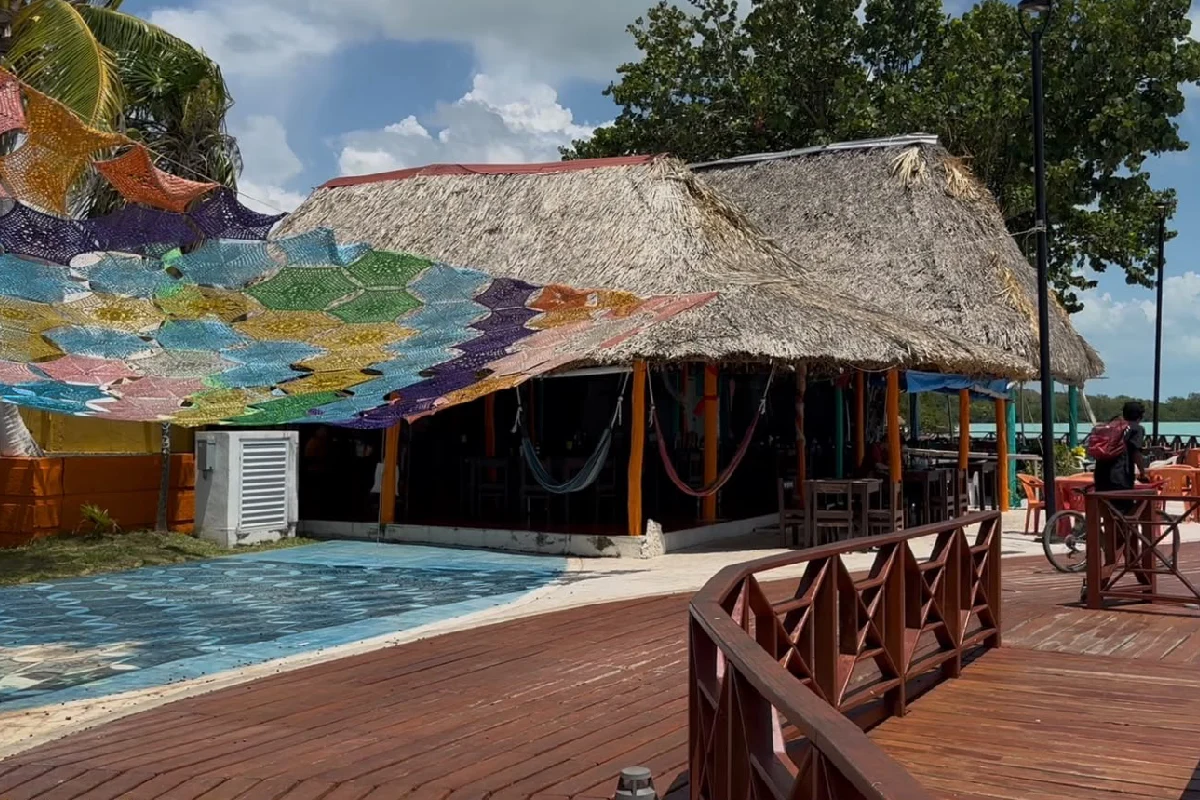
Workers are feeling the decline in tips, while business owners are experiencing lower occupancy.
However, he agrees with Evelyn that September, October, and November are more difficult months. He believes that additional activities could encourage sales and generate more activity in the area before the December season.
“Yes, we did well. Our expectations were met; many tourists came. Thanks to the renovation of the photo stop, more tourists have been coming, and there have been more sales. With the return to school, things did slow down a little. But we are still here. With the Maya Train, there are more possibilities for people to discover Calderitas. It is safe here, and the authorities are fulfilling their responsibility with surveillance. But during these months, it would really help us if they organized more events so that the community could become more involved. So far, everything has been quiet,” he explained.
A little over 44 kilometers away, the situation is repeated with its own differences. In Bacalar, in front of the central plaza, the vacation period has ended, and for Cinthya Saucedo, assistant manager of a sushi restaurant, the lower number of visitors sometimes means serving only five tables a day and relying more heavily on delivery services for local consumption.
“The vacations are over. If there was barely anyone before, now it is dead. Sometimes we have five tables a day and delivery service for local consumption. During Holy Week it seemed like it wasn’t vacation; tourists come and enjoy the lagoon. But there is something missing to do in the afternoons—cultural activities. That is what tourists are looking for. In other years there was a lot of activity, but not anymore,” she explained.
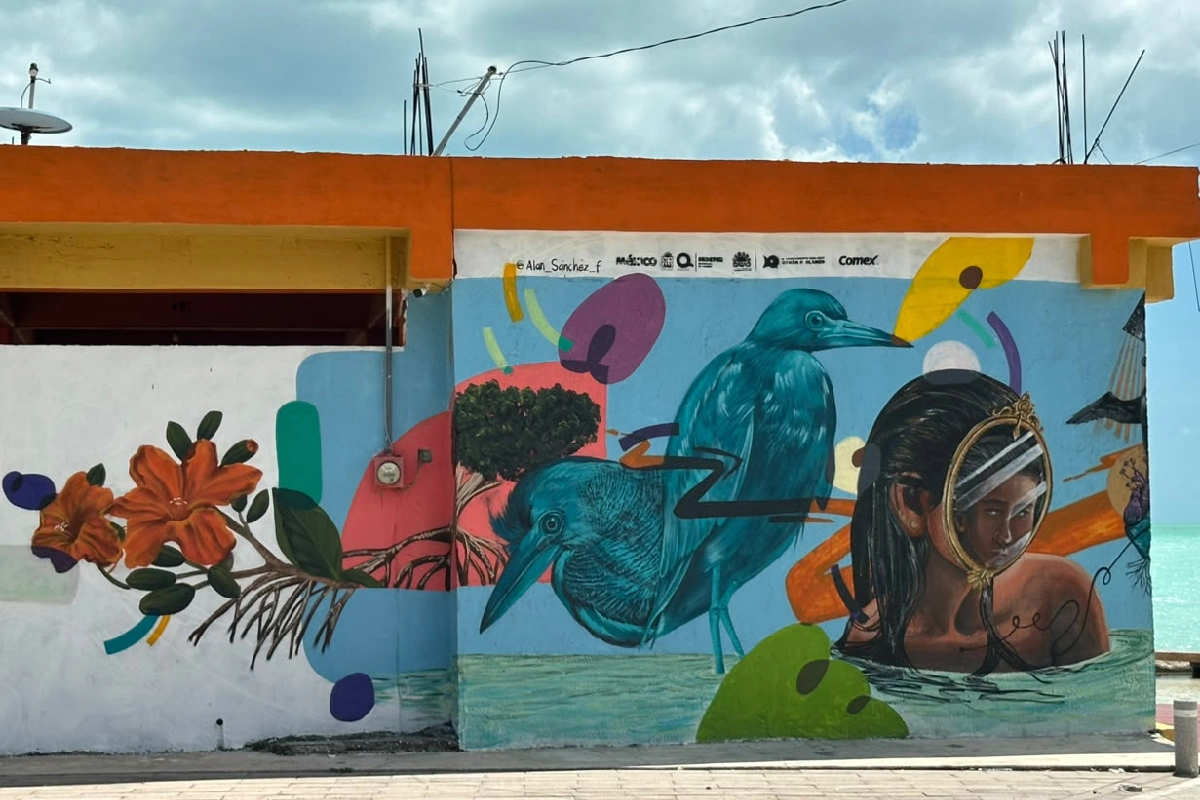
A mural in Calderitas.
For the worker, the lagoon remains Bacalar’s main attraction, but she believes that after visiting it, tourists find few cultural alternatives that would keep them in the downtown area longer and generate spending for restaurants, businesses, and artisans.
The mission: Survive the low season and wait for December
Regarding the arrival of tourists through the Maya Train, Cinthya said that its effects are practically imperceptible at the establishment where she works. She even compared the project to a “decoration” in Bacalar, considering that the destination needs greater tourism and cultural promotion.
“I cannot say that the Maya Train is not helping bring more visitors. We have not had customers tell us that they arrived in Bacalar by train or that they want to see it. Many people come, but they do not know that the train exists,” she explained.
For her and other artisans, Bacalar was more attractive when the central park maintained a more traditional appearance and visitors could find shows, dancers, or performances by the Voladores de Papantla, who originate from Veracruz. Although this is not an expression native to Quintana Roo, she believes that these types of activities brought tourists closer to different manifestations of Mexican culture and offered them something else to do after visiting the lagoon.
“I was born here and grew up here. When we were a small town, we had more tourism. Today they find nothing, only the little market. But people want culture after walking around the lagoon,” she concluded.
With the summer over, workers and business owners in Chetumal, Calderitas, and Bacalar have three months of low season ahead of them. Between empty tables, local consumption, and the expectation of creating new attractions, the sector is seeking to sustain its operations until December, one of the periods most anticipated by those who depend on tourism in southern Quintana Roo.
Source: grupoanimal