
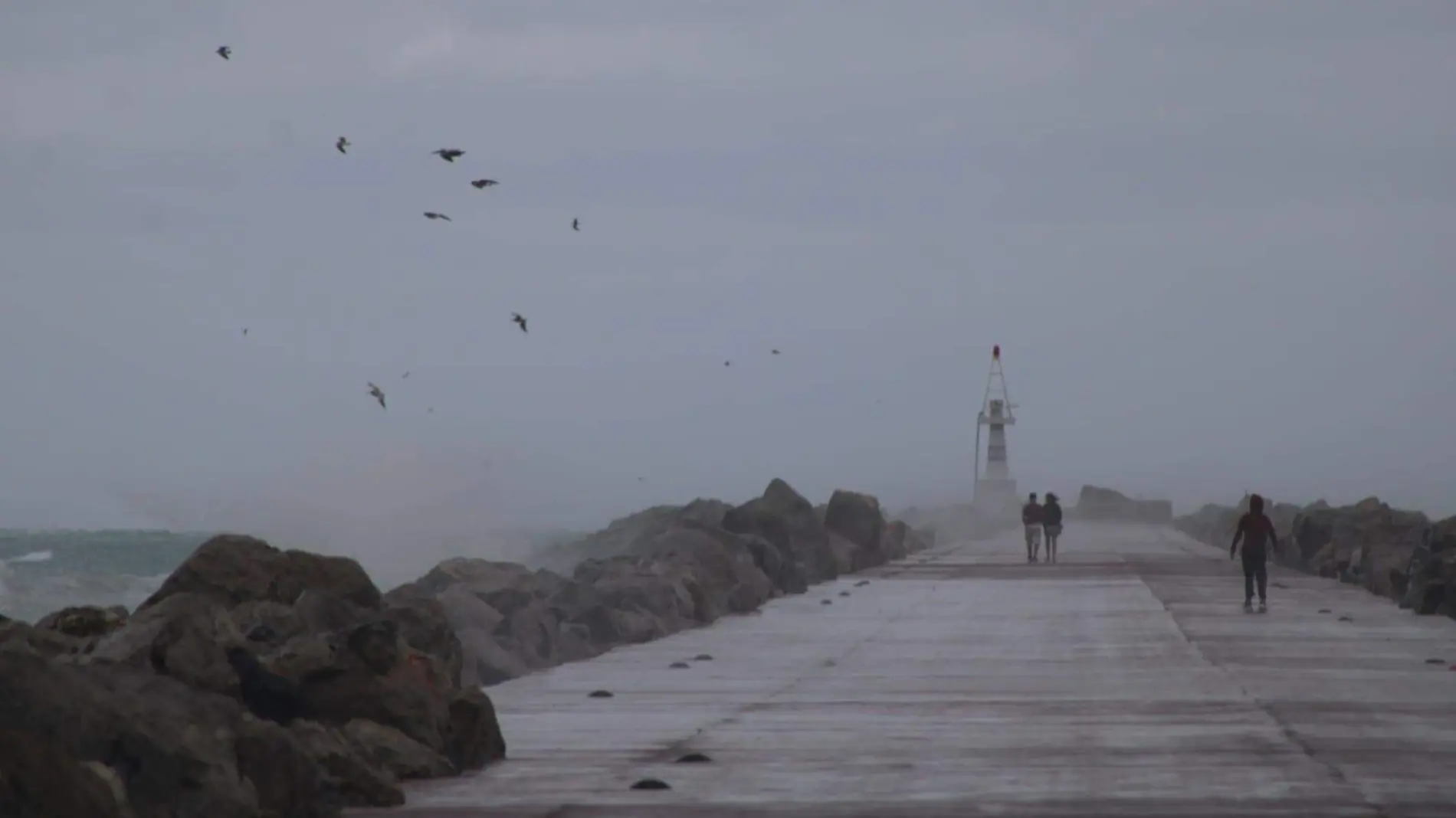
In recent days, the Gulf of Mexico has been making headlines in various international newspapers. After Donald Trump, the US president-elect, suggested changing the name to the “Gulf of America.”
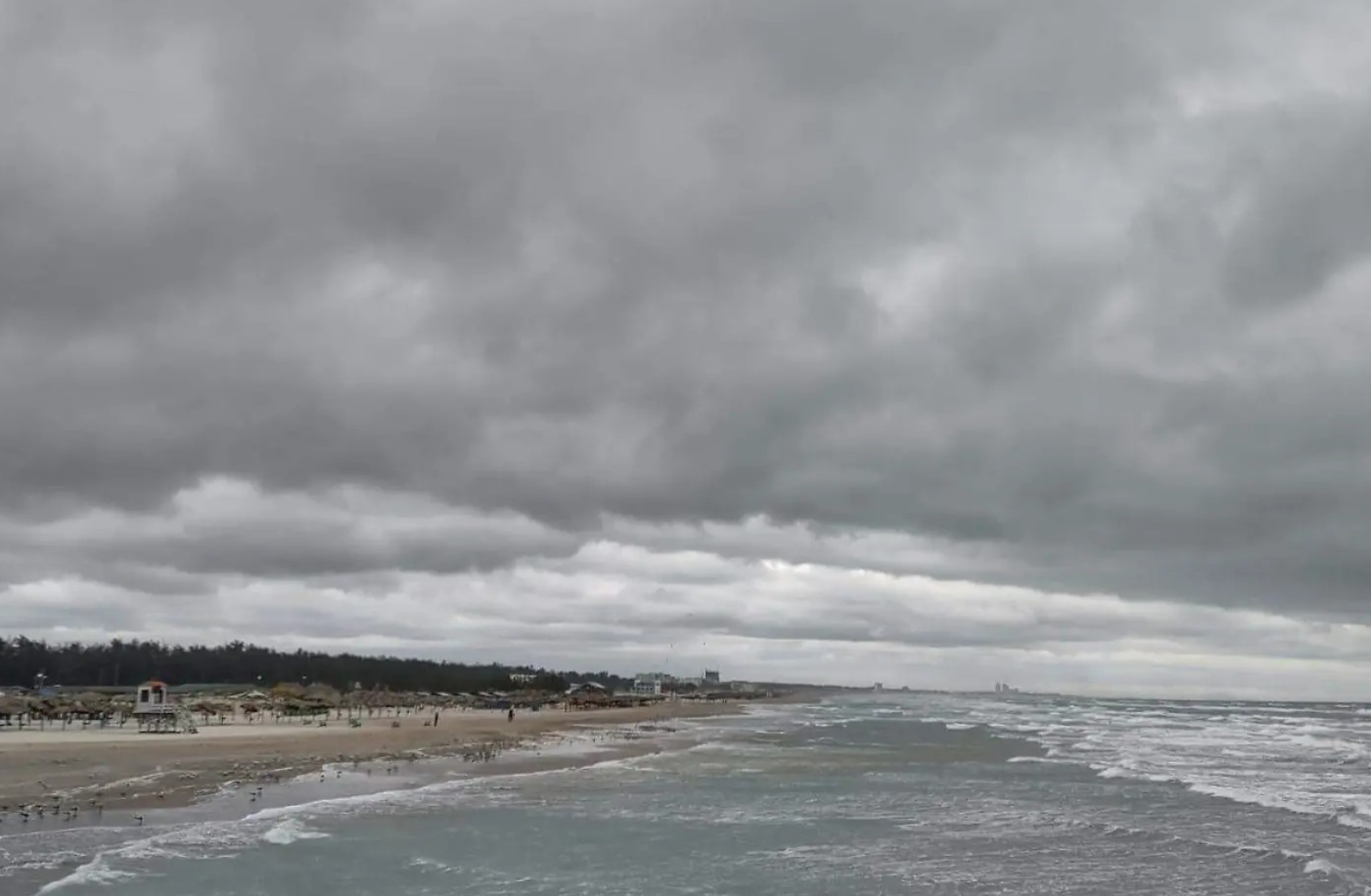
The Gulf of Mexico, in addition to being an Atlantic basin, is a region rich in marine oil production and a coastal territory, home to emblematic sites in Tamaulipas.
The Gulf of Mexico: between the Aztec country and the US
Thanks to the Global Environment Facility (GEF), the United Nations Organization, the Mexican Ministry of the Environment and the US National Oceanic and Atmospheric Administration Office, we know the following information:
The extension of the Gulf of Mexico is estimated at about 1.6 million square kilometers, while its depth, in some regions, is speculated to be just over four thousand 384 meters.
The Gulf of Mexico borders the coasts of Quintana Roo, Yucatán, Campeche, Tabasco, Veracruz and, of course, Tamaulipas. The coastal length on national soil is indicated at about 2,243 kilometers.
In the south of Tamaulipas and north of Veracruz, citizens can bathe in the waters of the Atlantic, the second largest ocean in the world, by going to Miramar beach.
Meanwhile, in the US, the Gulf of Mexico has a coastal extension of 2,700 kilometers and borders the states of Florida, Alabama, Mississippi, Louisiana and Texas.
According to data from INEGI, with an area of 79,890 square kilometers, Tamaulipas is the seventh largest state in the Republic. In 2020, the population was almost three million 527 thousand 735 inhabitants.
The entity known as “the region that sleeps on the river bank” borders the US to the north; Nuevo León to the west; Veracruz to the south; and to the east with the Gulf of Mexico. From where the following emblematic sites emerge, among others:
Miramar Beach
The Escolleras
The lighthouse
The port of Altamira
The turtle camp of Aldama
Fishing
Coal Beach
The Mosques port
The US Energy Information Administration reports that the northern country extracts 17% of its crude oil from the Gulf of Mexico and refines 45% of it on the coast.
According to global economic estimates, 40 million people in the US benefit from their proximity to the body of water; against an average of 15 million on national soil.
At the same time, the Global Environment Facility maintains that the continental shelf north of the Gulf of Mexico, close to US territory, presents a state of hypoxia, that is, a considerable decrease in its oxygen levels.
In the Gulf of Mexico, you can find dolphins, humpback whales, West Indian manatees and bluefin tuna. In the southern coastal state of Tamaulipas, the population is accustomed to receiving, protecting and releasing sea turtles in the Gulf of Mexico.
Contrary to the aspirations of Donald Trump, president-elect of the United States, one of the world’s greatest powers, there is no evidence that Mexicans would agree to change the name of one of their most important natural, economic and tourist resources worldwide: the Gulf of Mexico.
Source: oem