
In Mexico, lesbian women face a complex reality marked by discrimination and exclusion. According to data from the 2021 National Survey on Sexual and Gender Diversity (ENDISEG), conducted by INEGI (National Institute of Statistics and Geography), 67.5% of lesbian women in the country have experienced discrimination at some point in their lives.
In this context, Lesbian Visibility Day, commemorated every April 26, is presented as an opportunity to reflect on the challenges these women face and to demand profound social change.
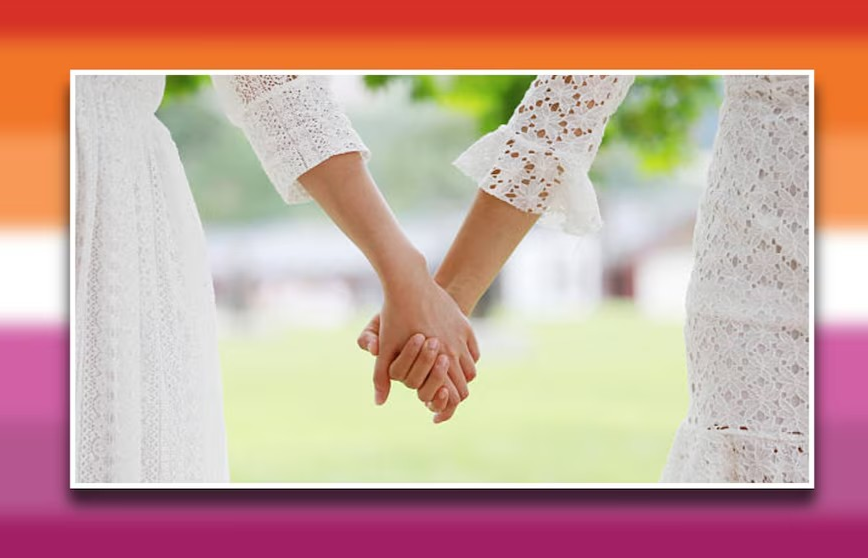
According to published information, this day’s main objective is to recognize and make lesbian women visible in both the public and private spheres.
Although Mexico has made significant progress in rights for the LGBT+ community, such as the legalization of same-sex marriage in all states in 2022, high levels of violence, stigmatization, and exclusion toward lesbian women persist. These problems not only affect their quality of life but also limit their full participation in society.
Discrimination and Violence: A Double Burden for Lesbian Women
The 2021 ENDISEG report also highlights that many lesbian women have been victims of domestic violence after revealing their sexual orientation. This type of aggression, which occurs in their immediate surroundings, not only violates their physical and emotional integrity but also perpetuates the silence and fear of expressing their identity.
Furthermore, they face significant obstacles in accessing health services, especially in areas related to sexual and reproductive health, which further exacerbates their vulnerability.
Discrimination against lesbian women is not limited to the family or healthcare setting. According to research by the National Human Rights Commission (CNDH), cases of lesbophobia have also been documented in workplaces, educational settings, and healthcare settings.
These forms of institutionalized exclusion reinforce marginalization and hinder the full exercise of their rights.
The Impact of Stereotypes: Exclusion and Symbolic Violence
One of the main factors contributing to discrimination against lesbian women is the persistence of stereotypes. According to organizations and activists, these women are often subjected to hypersexualization, forced masculinization, or invisibility, which generates exclusion and violence, both symbolic and real.
These stereotypes not only reinforce rigid gender roles but also limit access to fundamental rights, such as the ability to form a family, access to housing as a couple, or receive legal recognition within the family.
The representation of lesbian women in the media, politics, science, culture, and education is also affected by these prejudices.
The lack of visibility in these spaces perpetuates the idea that their experiences and contributions are less valuable or relevant, which in turn hinders the construction of a more inclusive and equitable society.
The commemoration of Lesbian Visibility Day is not only a symbolic act, but a tool to promote social change.
According to the data presented, deconstructing the stereotypes that affect lesbian women requires a profound educational and cultural process. This involves challenging traditional gender norms, promoting diverse representation in all areas, and ensuring equal access to rights and opportunities.
Social activism and scientific evidence are essential to driving this change. The fight for lesbian visibility not only seeks recognition for these women, but also the construction of a more just and inclusive society where all people can live free from discrimination and violence.
Source: infobae