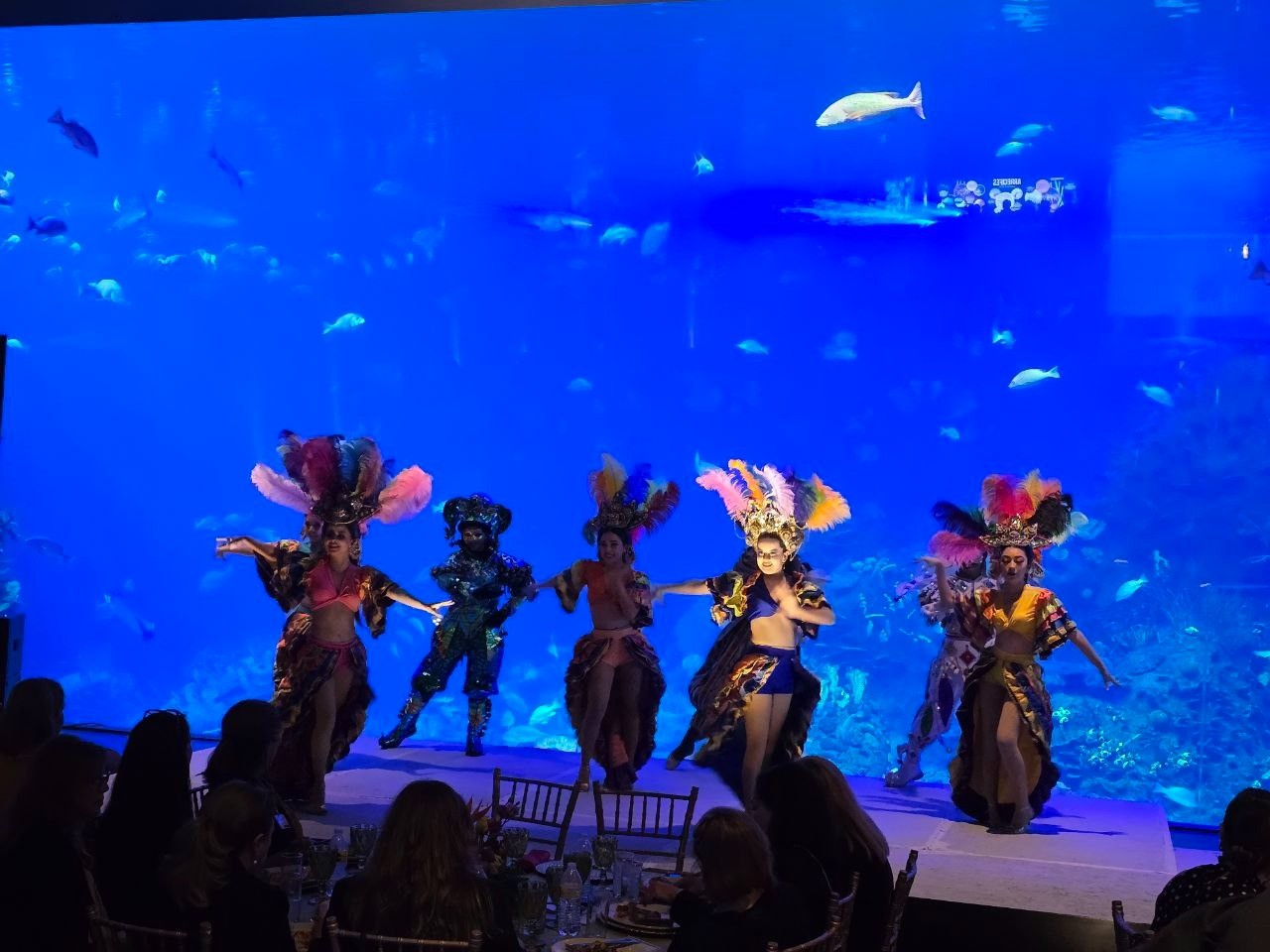

The magic, tradition, and joy of the Mazatlán International Carnival will arrive in San Luis Potosí on August 16 and 17 at the Maza Real festival, a colorful event that unites the municipalities of Mazatlán, Sinaloa, and Catorce, San Luis Potosí.
The Ogarrio esplanade of the Pueblo Mágico Real de Catorce and the Estación Catorce esplanade in the municipal capital will be the venues where the royalty of the Mazatlán International Carnival, artists from the Folkloric Ballet of the Institute of Culture, directed by Maestro Javier Arcadia, will represent Mazatlán and showcase why the port’s largest festival is considered the best carnival in Mexico.
Javier Arcadia, director of the Folkloric Ballet, indicated that they will attend this festivity thanks to the invitation they received from the authorities of the municipality of Catorce, Juan Francisco Javier Sandoval Torres, mayor, and José Barbosa, director of Culture of Catorce.
“There’s going to be a great Carnival show. We’ll start with ‘Customs and Traditions of Sinaloa,’ and end with ‘Carnival Celebration.’ We’re going to promote the Mazatlán International Carnival. We do so with great pride. We bring celebration, culture, and tradition. For us, it’s a privilege to represent Mazatlán at the national and international level,” said Javier Arcadia.
For this occasion, Mazatlán will be represented by a delegation of queens from the Mazatlán International Carnival, 32 artists from the Folkloric Ballet, and other guests.
Real de Catorce, San Luis Potosí, is a magical town with a rich mining history and a strong connection to the Huichol culture. Founded in 1779, it reached its peak as an important silver mining center, becoming one of the leading producers worldwide.
Among its tourist attractions is the Ogarrio Tunnel, the only one of its kind in the country, which is the only access route to the Magical Town of Real de Catorce, in addition to the Parish of the Immaculate Conception, the Church of Guadalupe, the Mint, and the Ghost Town, in addition to desert landscapes and its connection to Huichol culture.

Source: culturamazatlan