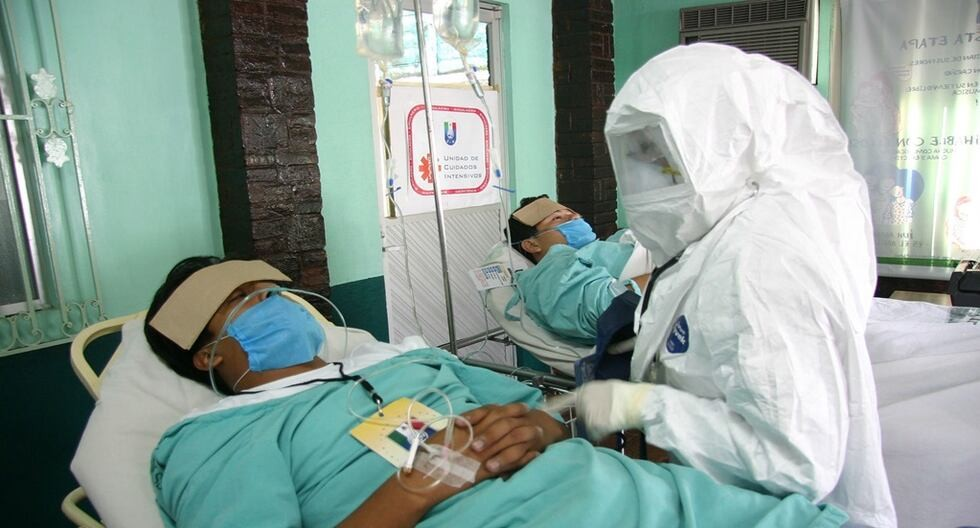

The Federal Government’s Ministry of Health confirmed the first two deaths from influenza in the Yucatán Peninsula. The cases, which occurred in different states, have raised renewed alerts, and health authorities are keeping the virus under close surveillance.
According to the most recent Epidemiological Surveillance report on influenza, prepared by the federal agency, both Quintana Roo and Yucatán reported one death each during the week of July 28 to August 1.
During medical consultations, the patients presented with symptoms associated with respiratory illnesses, and a diagnostic test was performed, which yielded a positive result for influenza. Based on the test results, it was determined that the strain contracted by the patient was AH1N1, the strain that has become more prevalent among the population in recent weeks due to its ease of transmission.
One of the characteristics of this strain is that it develops slowly, which prolongs the recovery process for patients. This can cause a more noticeable deterioration in the health of patients with degenerative diseases or a history of respiratory infections such as COVID-19, which increases the likelihood of developing after-effects or other complications.
It is worth mentioning that, in 2024, the Yucatán Peninsula closed with only one confirmed death from influenza, making Yucatán the only state to record deaths from this disease.
Influenza remains active on the peninsula
The report from the Ministry of Health indicates that, as of August 1, 85 cases of influenza have been recorded in the Yucatán Peninsula. The most circulating variants among the population are AH3N2, which represents 20 percent of cases, and AH1N1, with 80 percent of infections.
Yucatán is the state with the most confirmed cases across the three states, reporting a total of 172 patients diagnosed with the virus as of this latest report, followed by Campeche with 37, Campeche with 25, and Quintana Roo with 23 cases.
Compared to the 170 cases recorded during the same period last year, this represents a 50 percent reduction in the number of infections. Despite this decrease, deaths mark a persistent fatality rate for the disease, primarily among vulnerable patients.
Heat and Hygiene: Key Factors in the Spread
According to general practitioner Gilberto López, temperature changes in the region are influencing the spread of this virus, opening doors to contagion due to poor hygiene and prevention among the population.
“Although many people think influenza only spreads during cold weather, extreme heat and humidity also affect it. In hot weather, people tend to constantly touch their faces to wipe away sweat, but they don’t always wash their hands, and this makes it easier for the virus to enter through the nose and mouth.”
He also explained that sudden changes between air-conditioned spaces and hot environments create favorable conditions for the spread of respiratory viruses.
“This constant change in temperature can weaken the respiratory tract, making it more vulnerable to infection. And if we add poor hand hygiene, the risk multiplies.
“The fact that influenza B is gaining ground should be a wake-up call to not let our guard down. Vaccination remains the best way to avoid complications,” he insisted.
Flu Symptoms
Fever above 38°C
Headache
Nasal Congestion
Cough
Muscle and Joint Pain
Pain When Swallowing
Chest Pain
Stomach Pain
Diarrhea
Runny Nose
Avoid Infection
Get your annual vaccine
Maintain social distancing
Wear a face mask
Wash your hands frequently
Constantly apply alcohol gel
Disinfect all surfaces after use

Source: msn