
Nokia announced this Monday the deployment of a new telecommunications backbone network for high-speed optical transport, aimed at increasing internet connectivity in southeastern Mexico, in the states of Chiapas, Tabasco, and Quintana Roo, followed by Campeche and Veracruz in the coming months.
The development of this new network is supported by MX Fiber, a division of MXT Holdings involved in the development of nationwide telecommunications infrastructure in Mexico.
MXT Holdings is also heavily involved in the deployment of fixed networks, through investments in fiber optics, and in the mobile market, with the construction of base sites. It has now partnered with component manufacturer Nokia to increase internet availability in the south of the country.
The new backbone network will offer reliable, high-capacity connectivity in southeastern Mexico, one of the most populated but least connected regions in the country, the companies said.
“This forward-thinking network lays the digital foundation to drive economic revitalization and service modernization for communities, businesses, and government projects. Customers in Chiapas, Tabasco, and Quintana Roo, and soon in Campeche and Veracruz, will benefit from faster internet, improved cloud access, and capacity for data-intensive applications in areas that have long lacked sufficient infrastructure.”
The new network spans 1,800 kilometers and will be operated by MX Fiber, powered by Nokia Flex-Grid DWDM technology and the 1830 Photonic Service Switch (PSS), offering scalable 100 Gb/s and 200 Gb/s services.
This capacity allows customers to connect to modern data centers, industrial parks, and switching centers for submarine communications networks, crucial for commerce, mobility, and digital inclusion.
Nokia’s PSS 1830 solution ensures efficient and cost-effective service delivery, with easy upgradeability to 400G and 800G without disrupting existing services.
Integrated dynamic network management and real-time performance monitoring using optical time-domain reflectometry (OTDR) provide MX Fiber customers with peace of mind that their connectivity is robust, responsive, and agile, ready for future demands.
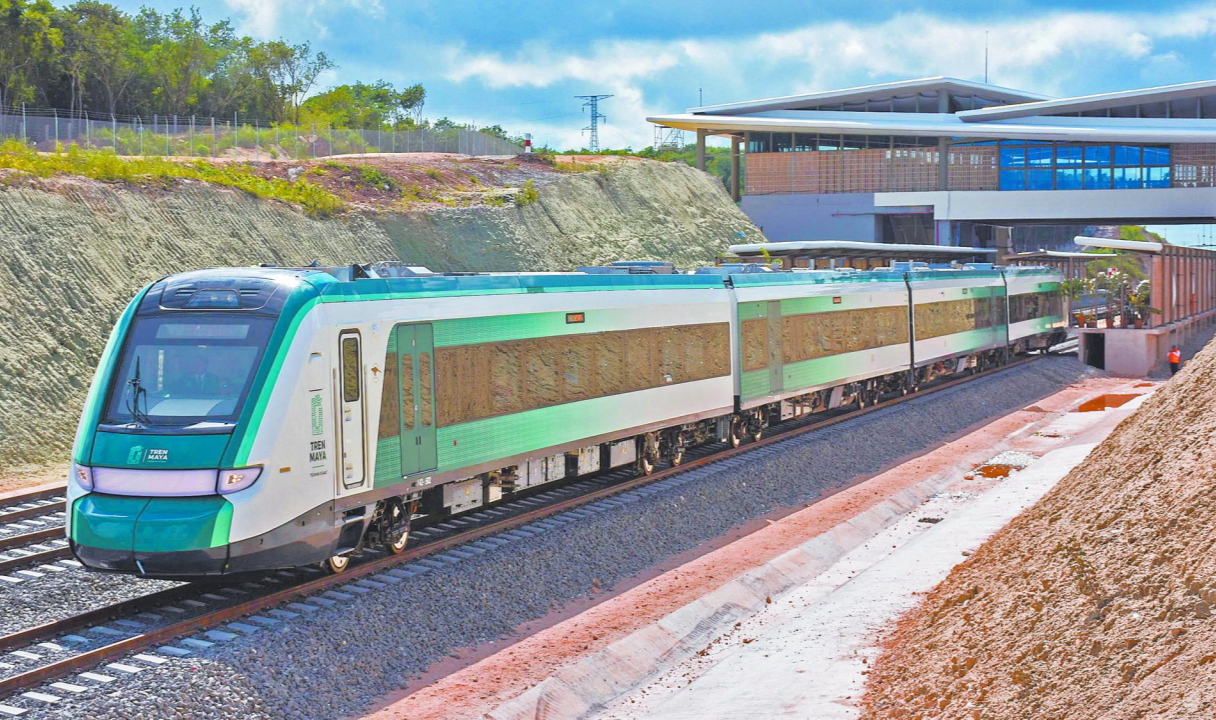
“This solution is crucial to supporting our customers and to the success of megaprojects such as the Isthmus of Tehuantepec Interoceanic Corridor and the Mayan Train, designed to drive economic development in the region. We look forward to continued growth and evolution with Nokia,” said Nestor Bergero, CEO of MX Fiber.
Source: eleconomista