
Mexico’s Sonora, Guerrero, Michoacán, Sinaloa, Tamaulipas, Baja California, and several other states have come under intense global scrutiny after a powerful US travel warning linked cartel activity to terrorism. The advisory’s unusually strong language has heightened security concerns for tourists, business travelers, and expats navigating the country. While some areas remain relatively safe, the alert highlights high-risk regions where organized crime has increased, fueling spikes in violence, kidnappings, and armed confrontations. This unprecedented framing signals a shift in perception, demonstrating that even well-known tourist destinations are now being closely watched, forcing travelers to reconsider routes, accommodations, and overall travel plans.
The advisory marks a significant shift in tone, linking cartel-related violence directly to terrorism and creating reverberations throughout the tourism industry, political discourse, and public perception. Behind the bold language lies a complex and uneven reality, reflected in a patchwork of risk levels that vary widely across Mexico’s various states. Travelers are urged to exercise heightened awareness and informed decision-making as they navigate the country’s dynamic and often unpredictable landscape.
A Loaded Term Alters Perception
For the first time, an official advisory has linked the term “terrorism” to Mexico, placing it alongside traditional concerns such as homicide, kidnapping, and car theft. While Mexico overall remains at Level 2, meaning travelers should “exercise increased caution,” the inclusion of this term injects a greater sense of urgency and confusion.
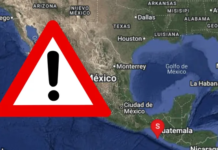
The updated map shows stark contrasts: six states are now under Level 4 “Do Not Travel,” while eight others are at Level 3 “Reconsider Travel.” Only two states remain in the lowest risk category, indicating relative stability. These color-coded warnings influence decisions for vacationers, expats, and business travelers. For many, the change in language makes security concerns feel more severe, transforming ordinary caution into questions about state control over violence.
Political Currents Behind the Advisory
The timing of this advisory coincides with heightened political discourse in the United States regarding how to classify cartel activity. Recent political debates have called for stronger measures, including potential military action within Mexican territory, adding pressure to bilateral relations.
Mexico, for its part, has worked to bolster security collaboration through joint efforts, such as targeted extraditions and broader security frameworks. While officials emphasize cooperation, they remain steadfast in maintaining national sovereignty. The evolving language in the advisories adds a new layer of complexity to this geopolitical balancing act.
Violence Trends Reveal Contradictions
Mexico’s struggle with organized crime dates back nearly two decades, marked by military crackdowns and ongoing turf wars. Recent enforcement operations have led to significant drug busts and numerous arrests, including prominent figures within criminal networks. These actions signal progress on a national scale, as official data points to a decrease in overall daily homicide rates compared to previous years.
However, these successes often provoke retaliation. Certain regions have experienced sharp spikes in homicides and disappearances after high-profile arrests, highlighting how localized surges can undermine broader improvements. This uneven reality underscores why advisory maps can seem disconnected from everyday experiences in popular destinations.
Tourism Adapts to a New Reality
As warnings become more alarming, Mexico’s tourism industry has changed its strategy. Instead of focusing solely on beaches, campaigns now highlight cultural heritage, cuisine, and music, attracting travelers seeking authentic experiences beyond the coast. Officials emphasize: millions travel safely through airports and major highways each month, and most violence remains concentrated away from key tourist areas.
However, perception is powerful. A single word like “terrorism” can affect airline bookings, conference planning, and international education programs. For visitors who choose to proceed, safety often depends on making informed decisions, using reliable accommodations, avoiding isolated roads, and staying abreast of local updates.
A Balancing Act Between Image and Security
Mexico’s ability to maintain tourism while managing security concerns will depend on maintaining trust and strengthening cooperation without fueling fear. The new advisory has transformed a long-standing problem into a branding challenge, making clarity and context more critical than ever.
In a destination celebrated for its natural beauty and cultural depth, the tension between caution and trust has always shaped the traveler experience. This latest shift only amplifies that balancing act, leaving millions to weigh the risks against the rewards of discovering a country that remains as captivating as it is complex.
Mexico’s Sonora, Guerrero, Michoacán, Sinaloa, Tamaulipas, Baja California, and more have been thrust into the global spotlight after a scathing U.S. travel warning citing cartel violence linked to terrorism raised widespread safety concerns for travelers and expats.
The U.S. travel advisory has thrust Mexico’s high-risk states into the global spotlight, highlighting the complex interplay between cartel violence, terrorism, and tourism. While some regions remain safe for visitors, the alert underscores the importance of vigilance, informed planning, and awareness of local conditions. Mexico’s diverse landscapes and rich cultural attractions continue to attract travelers, but navigating the country now requires balancing the allure of its destinations with a clear understanding of the security realities on the ground.

Source: lavelez