
The confirmation of a case of screwworm in Sabinas Hidalgo, Nuevo León, has raised health and trade alerts in the U.S.-Mexico border region.
This is the first case reported in northern Mexico, the closest to the U.S. border, as it is located less than 112 kilometers away, according to the National Service of Agrifood Health, Safety, and Quality (SENASICA) and the U.S. Department of Agriculture (USDA).
U.S. Warns of Measures Due to Lack of Cooperation
The infected animal, an eight-month-old cow, was transported from southern Mexico to a certified feedlot in Sabinas Hidalgo. The USDA emphasized that the outbreak’s appearance right in the commercial connection between Monterrey and Laredo, Texas, makes this episode the most direct threat to the U.S. cattle industry since the outbreak began.
U.S. authorities attributed the increased risk to the movement of animals from affected regions and demanded that Mexico strictly implement the Joint Action Plan to control the pest. Furthermore, the USDA has closed the border to the importation of cattle, bison, and horses from Mexico, a measure that directly affects the Mexican export sector. This is the third time in less than a year that this type of closure has occurred.
The U.S. statement also warned that “protecting the United States from the screwworm is non-negotiable and a top priority for the Trump administration.” In a forceful warning, USDA Secretary Brooke L. Rollins stated that the U.S. government “will take decisive action to secure our borders, even in the absence of cooperation” and will not rely on Mexico to safeguard its industry or food supply.
Since June 2025, the United States has implemented its own plan that includes nearly $100 million for innovative technology to eradicate the pest, the development of facilities for the mass dispersal of sterile flies, and the intensification of border surveillance.
The USDA reported that approximately 8,000 traps have been installed in Texas, Arizona, and New Mexico and more than 13,000 samples have been processed to date, with no new positive findings in its territory.
Sanitary control also relies on collaboration with other agencies, such as the CDC and FDA, and on training for federal, state, and tribal personnel focused on the detection and management of screwworms.
In addition, SENASICA has implemented a digital dashboard that allows real-time tracking of cases throughout Mexico, facilitating the planning of operational actions and technical cooperation.
The outbreak in Nuevo León places Mexican producers under immediate restrictions on the movement of livestock and affects bilateral agricultural trade. U.S. authorities are urging ranchers in border states to inspect their animals for suspicious wounds, discharge, or the presence of larvae, and advise that any sign of infection should be immediately contacted by an official veterinarian or the USDA.
What is the screwworm?
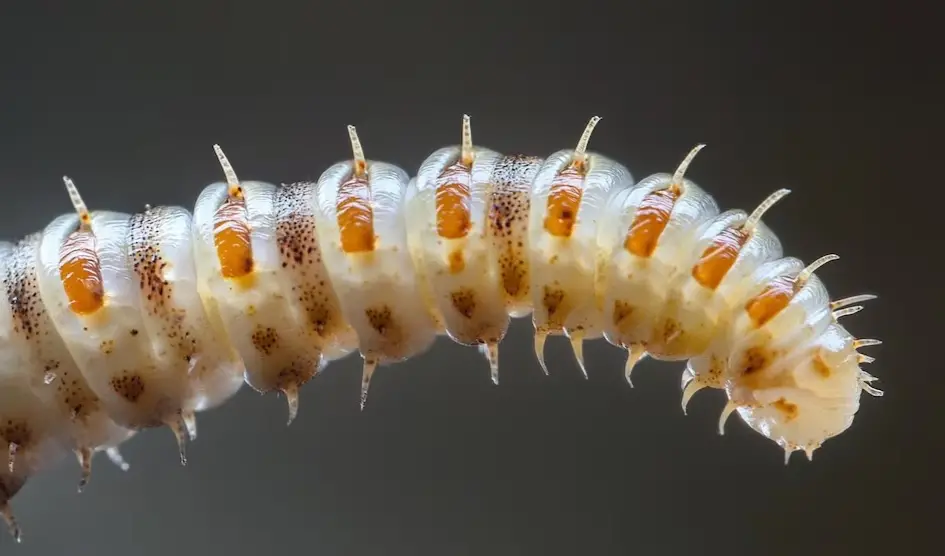
The New World screwworm (Cochliomyia hominivorax) is a parasitic insect whose larval stage feeds on the living tissue of warm-blooded animals, especially cattle. It is not a maggot, but the larva of a species of fly.
This parasite lays its eggs in open wounds or body cavities of animals, including humans. Upon hatching, the larvae burrow into the flesh and consume the tissue, which can cause serious injuries, secondary infections, weight loss, decreased production, and even death if not treated promptly.
The screwworm primarily affects cattle, but it can also attack other domestic and wild mammals, and occasionally even humans. Its control is considered a health priority in the agricultural and livestock sectors because it represents a direct threat to livestock production and the rural economy.

Source: infobae