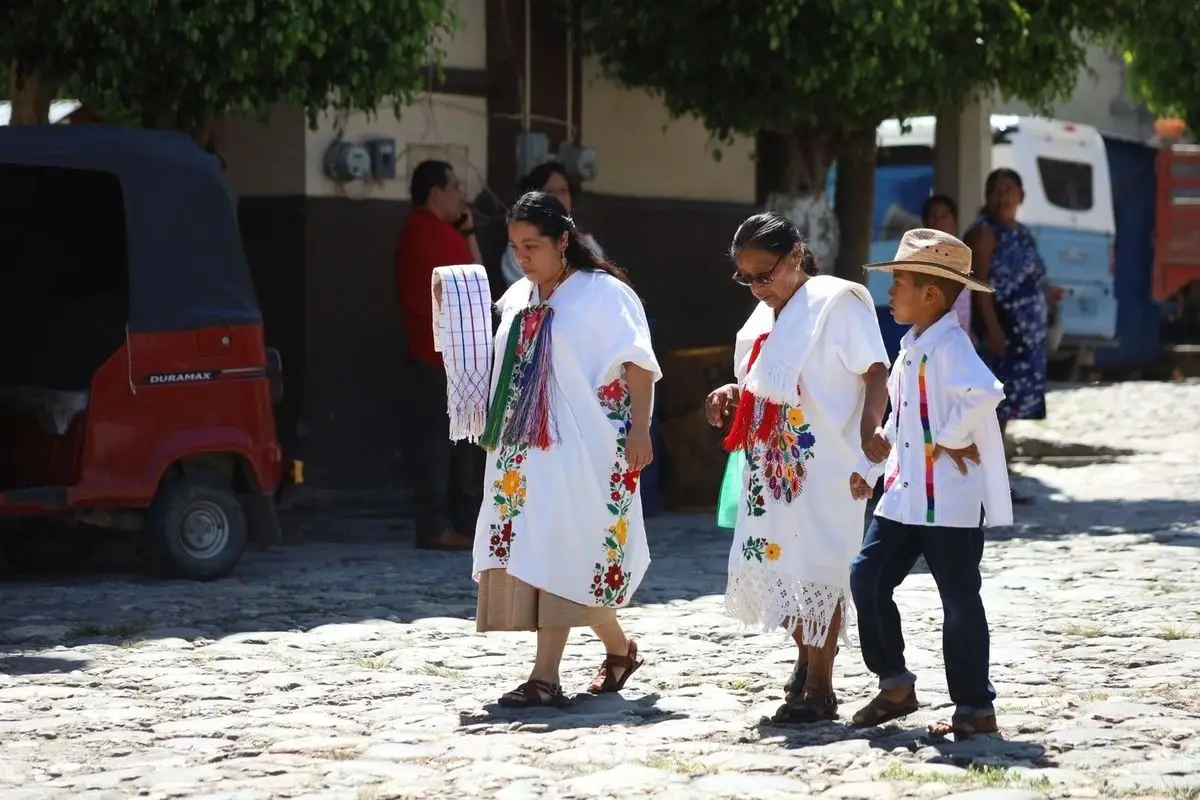

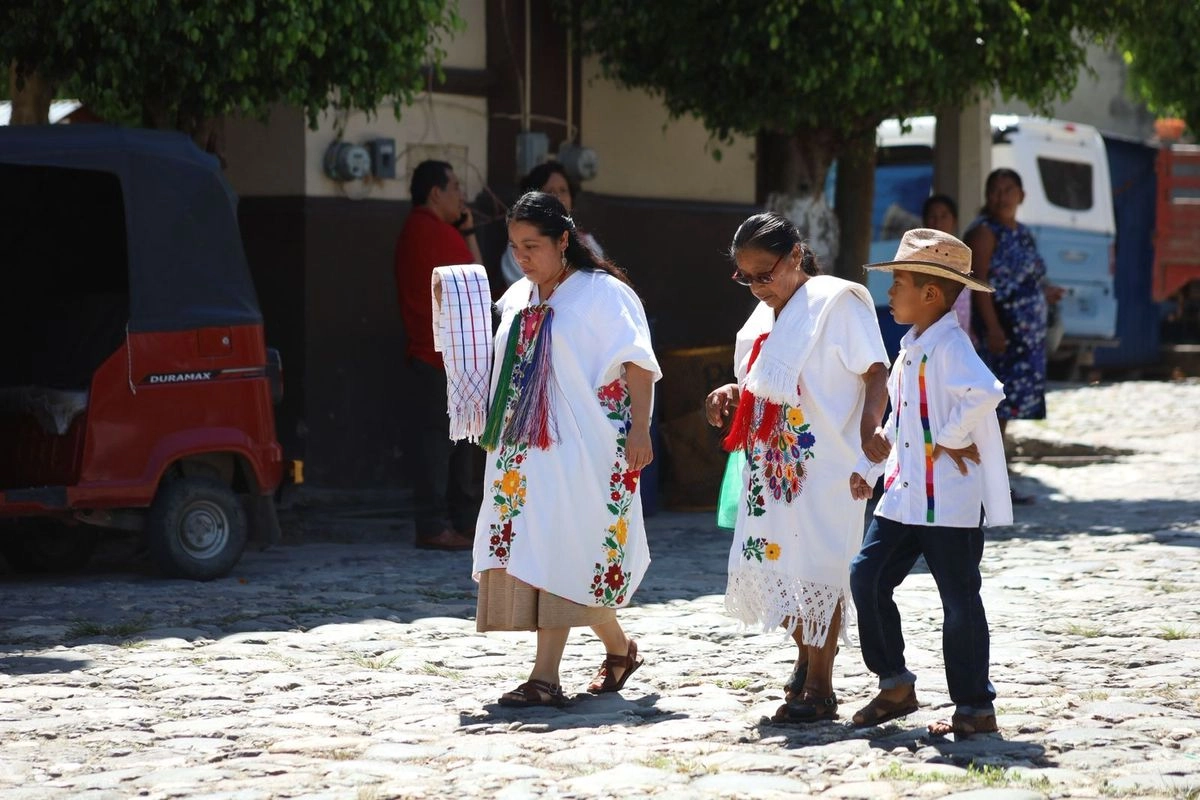
By order of the Secretary of Administration of the Oaxaca government, Noel Hernández Rito, starting October 1st, all employees of said agency must wear traditional clothing from one of the state’s ethnic groups every Wednesday, according to circular number SA/SP/035/2025.
The notification has caused anger among public servants, because while they acknowledge their pride in the cultural richness of the Oaxacan people, not all of them have traditional costumes, forcing them to spend unforeseen resources to purchase the garments and thus comply with government requirements.
According to the official notice, confirmed by José Armando López López, the state official’s private secretary, the indigenous clothing they must wear is part of the program called “Wednesdays of Sti’ Guenda Stidu’ (Wednesdays of Our Identity).”
Bureaucrats were also informed that a group photo will be taken on October 1st wearing traditional costumes.
The employees, who requested that their names and positions be withheld, stated that the document had already been distributed to all managers and that they were required to sign the circular to confirm their knowledge of it.
At this time, they said, they had not been informed if there would be sanctions for those who do not comply; however, temporary workers must abide by the order or risk having their contracts revoked.
Meanwhile, the official directive for artisans and collectives dedicated to the sale of this type of clothing consulted by La Jornada explained that while this measure may lead to an increase in sales, this will not actually be reflected in their pockets, because “unfortunately, Oaxaca is full of handicrafts of Chinese origin.”
They pointed out that native costumes can now be obtained at a lower price than those made by indigenous people in their communities.
They emphasized that the work done in the native villages is entirely handmade and artisanal, while Chinese products, which are copies of Oaxaca’s characteristic designs and are sold on the streets of the state capital, are made with machines, which reduces their cost and manufacturing time.
For example, they explained that a simple huipil can cost between 600 and 900 pesos from local artisans; however, Asian products are offered for up to 100 pesos per dress, and instead of promoting the purchase of traditional clothing, the opposite is done.
Furthermore, they commented that although the state government seeks to promote Indigenous identity with love and pride for the communities, the use of traditional clothing is not enough.
Because the proposal “must be accompanied by a program that delves into the importance of wearing this type of attire, its identity, and origin, otherwise it becomes just some kind of disguise,” they noted.
According to state government data, there are a total of 17 indigenous communities in Oaxaca spread across more than eight regions; 69 percent of the population classifies themselves as indigenous, 31 percent speaks a native language, and 4.7 percent identify as Afro-Mexican.
Source: jornada