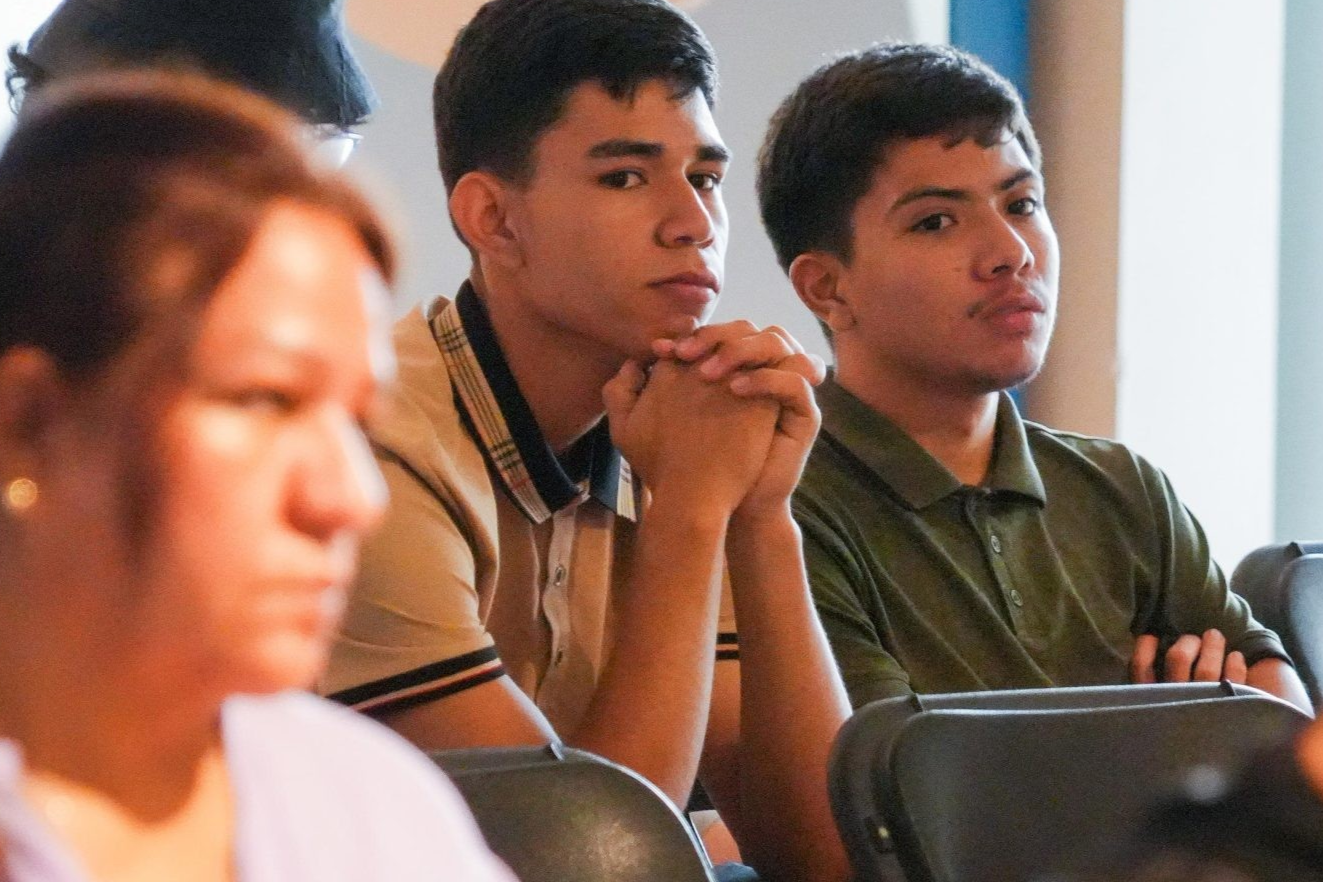

As part of the successful “Science is Also Culture” program, the Municipal Institute of Culture, Tourism, and Art of Mazatlán welcomed Dr. Emigdio Marín Enríquez, a distinguished researcher and professor at the Faculty of Marine Sciences (FACIMAR) of the UAS (University of Mazatlán). Dr. Marín presented his paper, “Establishing the Baseline for Crocodile Population Studies in Mazatlán,” to an audience interested in the local fauna.
Representing the Municipal Institute of Culture, María Ramírez welcomed and thanked the audience for attending a topic of great ecological relevance to the port.
During his presentation, Dr. Marín shared crucial findings about the species that inhabits the area: the American crocodile (Crocodylus acutus), the only species recorded so far in Mazatlán. The researcher noted that these reptiles can reach lengths of up to 4 meters and are found primarily in estuarine areas.
Refuges and Movement
Research has identified areas with higher crocodile densities, such as the Urías estuary, areas near aquaculture farms, and the Santa Fe neighborhood. These areas, often shallow and with abundant mangrove cover, suggest they function as essential refuges and breeding sites for the species.
One of the central points of the presentation was the hypothesis surrounding crocodile migration from one estuary to another. The largest number of crocodile sightings, with more than 20 captured, was recorded in Escopama, a body of water located north of the city. This area has less human activity and better environmental conditions, which could indicate a pattern of movement for the reptiles. To test this theory, Dr. Emigdio Marín proposed the need to implement tagging methods to monitor the distribution and mobility of the population.
Non-invasive Research and Recommendations
The research team uses non-invasive techniques for the study, including camera traps, drones, and boats, with the goal of avoiding approaching and making direct contact with the crocodiles, as these animals tend to avoid human presence.
Dr. Marín emphasized that this work establishes a new line of research in Mazatlán, with the goal of expanding population studies and even investigating the possible existence of other species in the future.
In closing, the researcher offered a vital recommendation to the public: if you spot a crocodile, it is essential to avoid approaching it, disturb it, and immediately contact the appropriate authorities.
The audience, visibly interested, actively participated in a question-and-answer session. To conclude the meeting, the Mazatlán Institute of Culture presented a well-deserved recognition to Dr. Emigdio Marín for his invaluable scientific contribution and his willingness to share his work with the community.
Source: culturamazatlan