
One of the essential elements for a successful and sustainable urban recovery is to involve the entire population, private stakeholders, and the real estate market, said Dr. Paulo Nascimento Neto, coordinator of the graduate program in Urban Management and professor of the Bachelor of Urban Architecture program at the Pontifical Catholic University of Paraná, in Curitiba, Brazil.
In this way, he explained, the city advances and guarantees both the preservation of the historic center and its occupation, achieving a collective benefit.
“We must develop strategies to attract private stakeholders so that they are also interested in occupying these buildings and ensuring their preservation,” he noted.
The specialist emphasized that various urban planning instruments exist, such as the sale or transfer of construction rights, among others, that can encourage people to live again in historic centers.
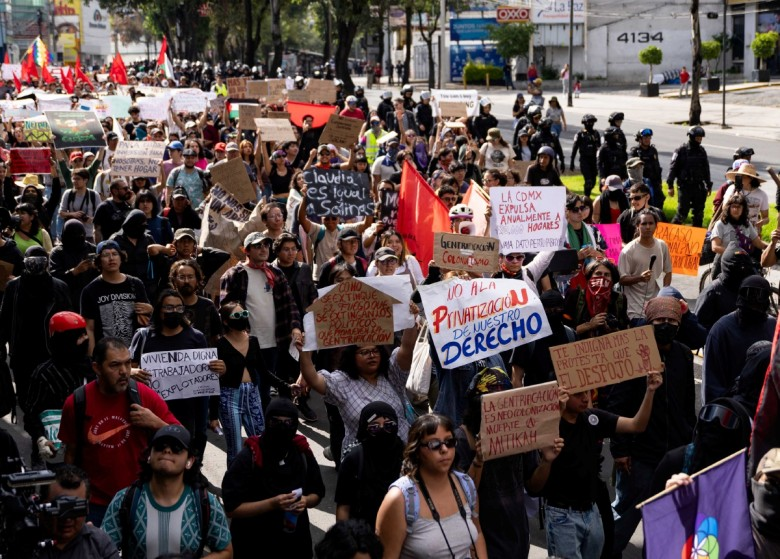
However, he warned about the risks of gentrification, a phenomenon that has already occurred in Europe, the United States, and Latin America.
“In many cases, prices rise, and people who lived downtown can no longer afford the rent and are forced to move farther away. The downtown area then becomes a restored, but empty, space,” he said.
He also noted that the arrival of tourists or the proliferation of accommodations like Airbnb create the appearance of urban dynamism, even though there is no real connection to the community. “These are buildings that look like homes, but function like hotels.”
Improving Urban Spaces
Nascimento Neto also emphasized that although everyone seeks to improve urban spaces—more shops, more restaurants, and more services—the natural process of the economy raises land values and the cost of housing.
Therefore, he considered it essential to implement urban planning instruments that guarantee social inclusion, such as establishing social interest zones for housing in the downtown area, in order to keep low-income sectors in that space.
“If there is no regulation, the market’s natural tendency is to make land more expensive. That’s where authorities must intervene to balance public and private interests,” he urged.
The specialist acknowledged that this task is not easy, given the pressures from various stakeholders, in addition to the difficulties of financing urban infrastructure. “Governments must find negotiation mechanisms that ensure the public interest without discouraging private actors.”

Source: yucatan