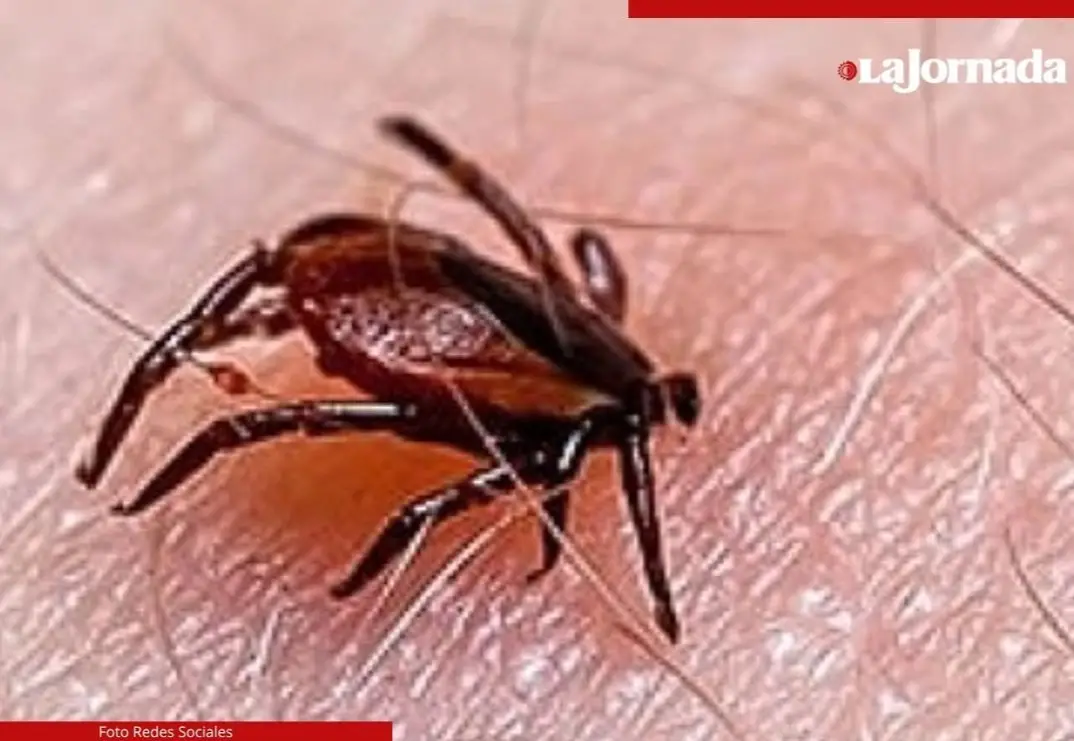

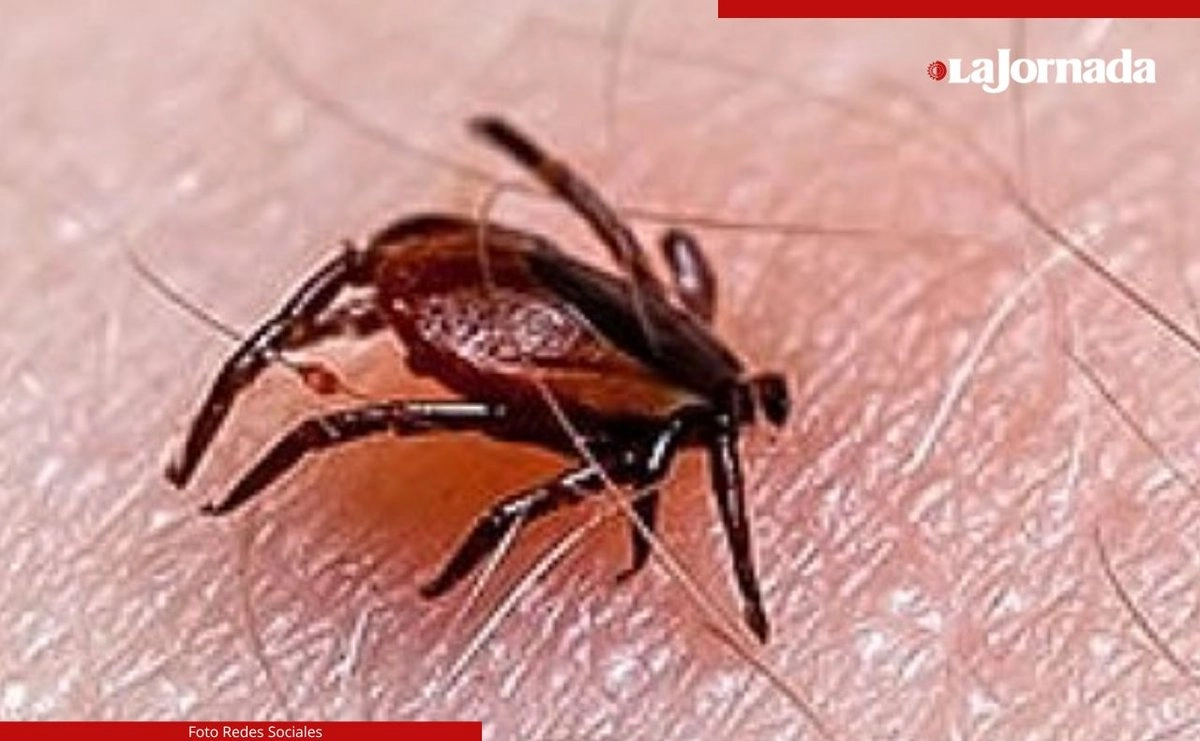
The Tamaulipas Health Department has intensified its preventative campaign for the early detection of rickettsiosis in Nuevo Laredo and throughout the state. Rickettsiosis is a disease transmitted by the bite of the brown dog tick and can be life-threatening if not treated promptly.
Alejandro Hernández Martínez, head of the Department of Zoonosis Prevention and Control, reported that more than 750 physicians from public and private health facilities have been trained this year as part of the strengthening of the state program managed by Governor Américo Villarreal Anaya.
“We are reinforcing early detection. Identifying the symptoms and acting quickly is key,” the official stated.
The campaign includes the distribution of informational materials throughout the health sector, as well as coordinated actions with border states due to the presence of cases in Baja California, Sonora, and Chihuahua.
In Tamaulipas, Hernández Martínez added, four probable cases of rickettsiosis have been registered, distributed between Reynosa and Nuevo Laredo. In all cases, patients received immediate treatment, and fumigation was carried out in homes and surrounding blocks to prevent the proliferation of ticks.
“In addition to medical care, we are urging families to deworm their pets, keep their yards clean, and request preventative fumigation,” he explained.
As part of ongoing monitoring, approximately 150 tick samples are sent each month to the National Institute of Epidemiological Reference (INDRE), which is responsible for confirming or ruling out the presence of the agent that causes rickettsiosis.
Hernández Martínez also highlighted the progress in the pet sterilization campaign. In coordination with the Autonomous University of Tamaulipas, more than 7,000 surgeries have been performed out of a total of 9,000 scheduled for this year. He encouraged residents to visit their local Health Districts to schedule the procedure.
With these actions, the Ministry of Health reiterated that prevention is key to reducing risks, especially in border municipalities like Nuevo Laredo, where mobility and weather conditions increase the presence of ticks.
Source: jornada