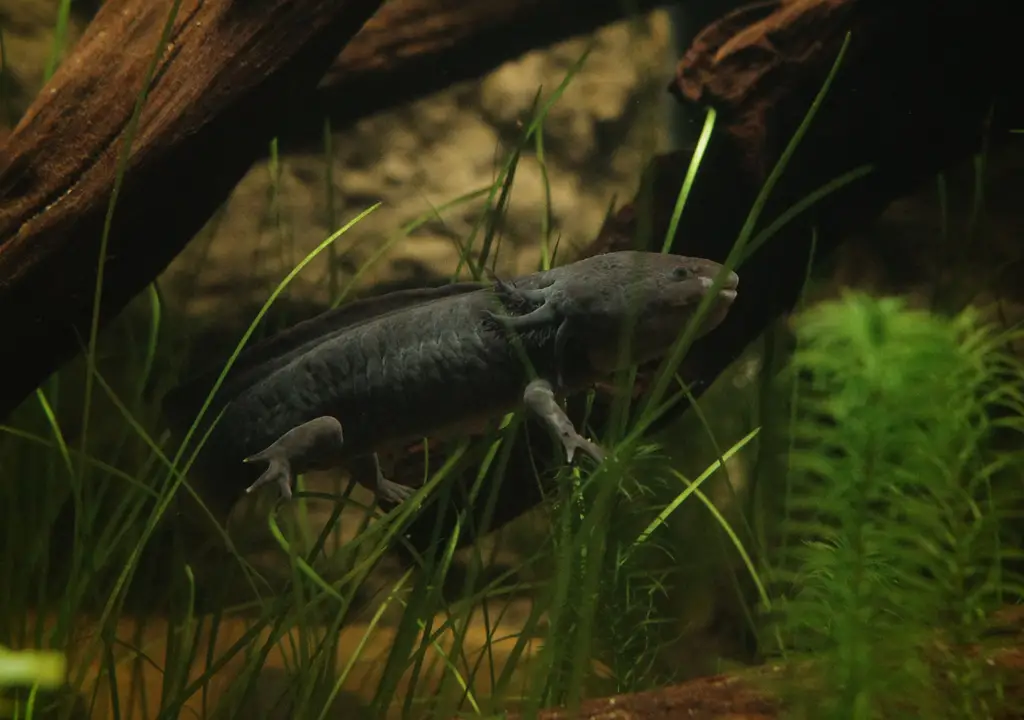

The Ambystoma velasci, commonly known as the Mexican Plateau axolotl, is a salamander endemic to central Mexico, whose presence had not been documented for 15 years in its natural habitat.
Its rediscovery is key to implementing new actions aimed at preserving its survival and that of the aquatic ecosystems it inhabits. The good news of this recent discovery has given new hope to experts and, of course, to all the fans this friendly-looking animal, which always seems to be smiling, has gained in recent years. For years, it was thought that the Mexican Plateau axolotl (Ambystoma velasci) had completely disappeared.
While it had not been officially declared extinct, the outlook was not promising. More than fifteen years had passed since the last sighting of the species in its natural habitat in the Mexican Plateau, without any glimpses, photographs, or samples that would reveal in any way that the axolotl was still there.
The name given to this salamander honors the Mexican naturalist and painter José Velasco Gómez.
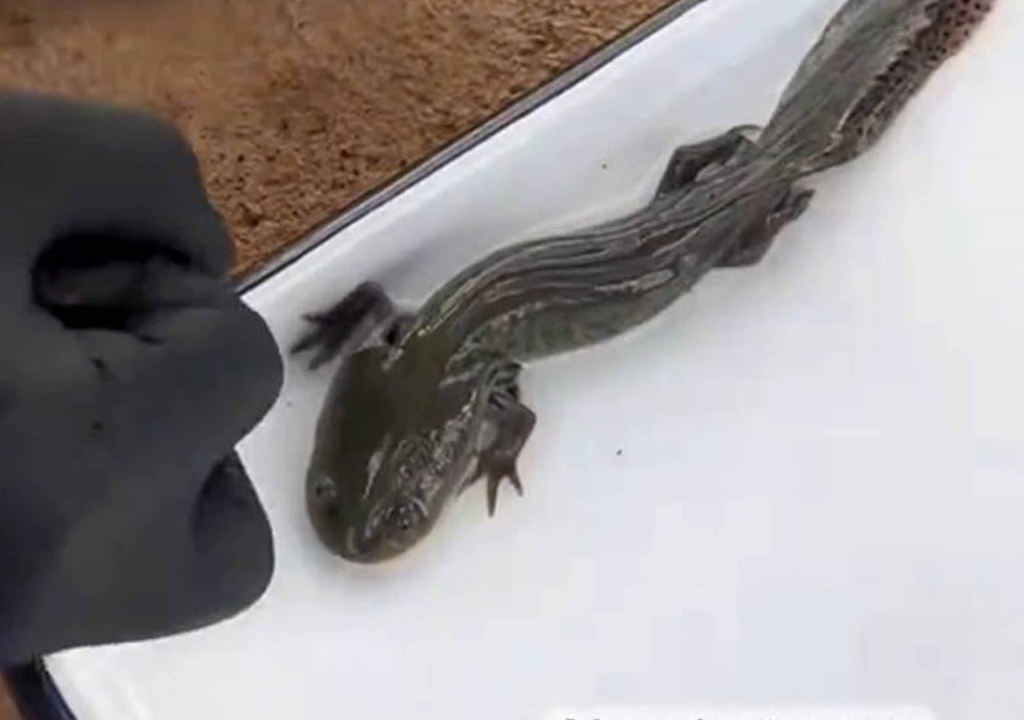
But a team of researchers from the National Autonomous University of Mexico (UNAM) never gave up. During their search—and against all odds—they located an active population of axolotls from the Altiplano region in an unexpected place: an artificial body of water.
This space, located on private property used primarily for agricultural activities in the municipality of Amealco de Bonfil, Querétaro, has almost accidentally become a small, functional refuge for this species, considered practically extinct in the region.
This discovery, led by biologist Diego de Jesús Chaparro Herrera and the team from the Environmental Microbiology Laboratory at the Faculty of Higher Studies Iztacala, not only represents hope after many years without sightings, but also underscores the urgent need to implement conservation measures for this axolotl.
The rediscovery of the axolotl from the Altiplano region is cause for celebration for everyone. And although it’s not as famous as its pink cousin, the Xochimilco axolotl (Ambystoma mexicanum), from an ecological perspective, finding it again in its natural habitat is just as important.
According to biologist Diego de Jesús Chaparro Herrera, nearly 50 specimens were identified. This is a very encouraging number for a species that hadn’t been recorded for over a decade, and it suggests that the population not only exists but has managed to survive despite adverse environmental conditions in the region.
Source: meteored