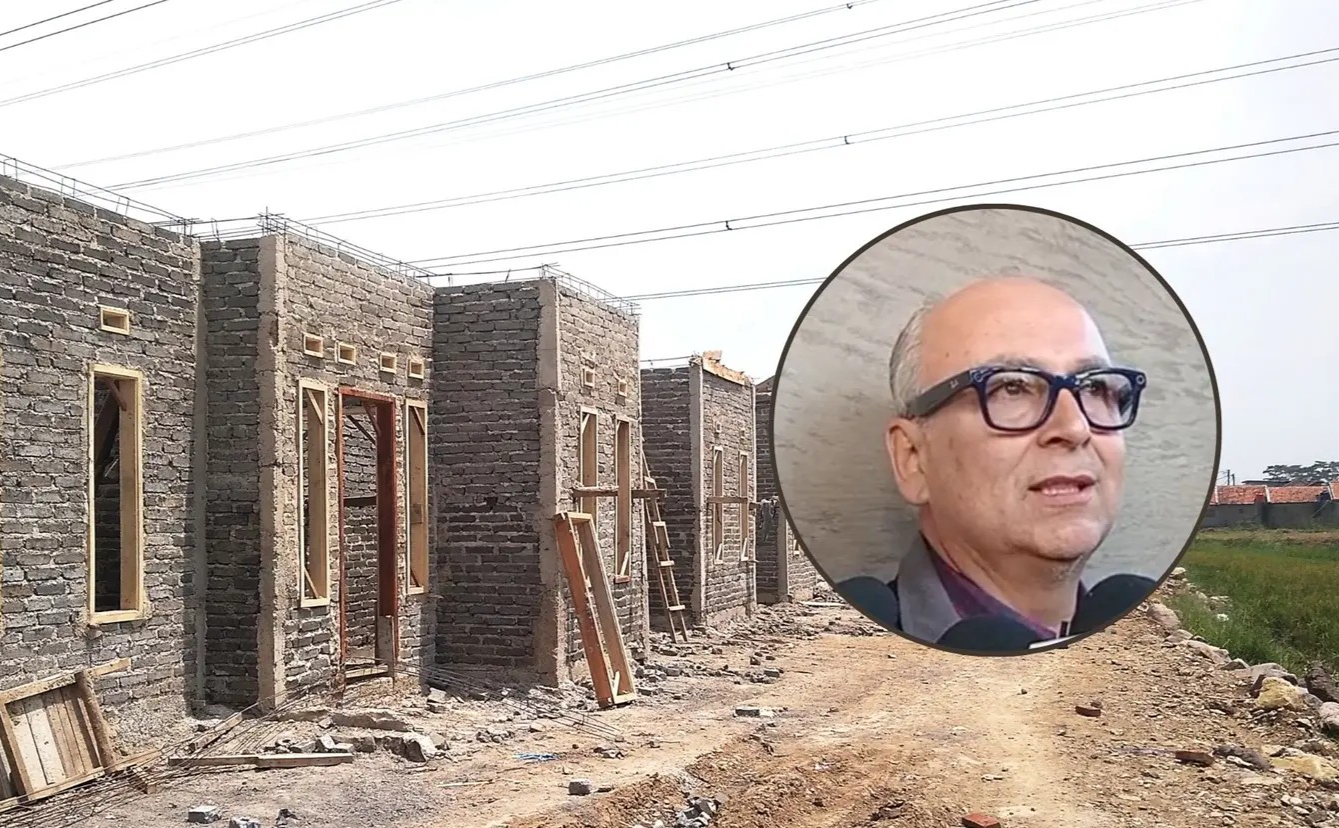

The National Chamber of Housing Developers (Canadevi) in Durango has high expectations following the announcement of 18,000 homes within the federal government’s program, which is focused on low-income individuals and young people.
However, Salvador Chávez Molina, leader of the sector, indicates that the housing deficit in the state persists, a problem that dates back several years.
What is the housing deficit in Durango, according to Canadevi?
Salvador Chávez Molina, president of the National Chamber of Housing (Canadevi) in Durango, states that there is significant demand for housing, but low supply.
He estimates that the deficit in the state is around 80,000 homes, a number that increases as new families are formed or existing ones dissolve. “We are falling behind in housing supply; we have low supply and strong demand,” he says.
However, there is another factor to consider: the purchasing power of people looking for a house or apartment, since in some cases, their income is insufficient.
Chávez Molina points out that the 13 percent salary increase only benefits those earning the minimum wage, while leaving out middle managers, who are usually professionals.
“The salary of the laborer, the master bricklayer, is approaching that of the supervisor, who are professionals, who studied for a degree; that is a real problem,” he states.
“The wage gap is narrowing, but we have increases in supplies, in food; living is more expensive, and all that is happening is that the purchasing power of those in the middle class is being taken away,” he comments.
On average, 7,500 homes are built annually throughout the state, the businessman notes.
This year, it is estimated that there will be an adjustment in housing prices during the first four months, which could range between 5 and 6 percent, although everything will depend on the cost of materials.
It is noted that the challenge for the sector is to build more with less labor, thereby reducing payroll expenses.

Source: posta