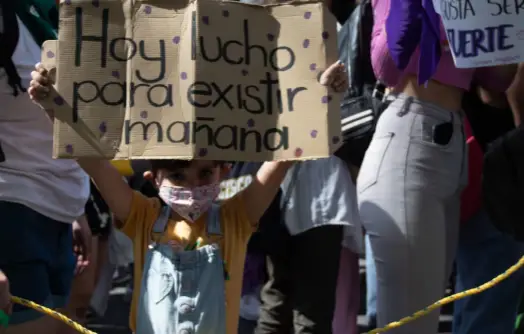

The annual report from the Network for Children’s Rights in Mexico (REDIM) should pain us all.
In 2025, a total of 501 murders of girls and adolescents were recorded in Mexico, but only 58 of these cases were classified as femicides.
Puebla: seventh state with the most femicides in the country. Femicides and human trafficking in Puebla decrease by more than 45%; Armenta asks the Judiciary to expedite cases. Despite an 11.5% reduction compared to 2024, the figures are chilling, and REDIM maintains that the right to life must never be violated, and therefore, no decrease is sufficient.
In Mexico, femicide is defined in the General Law on Women’s Access to a Life Free of Violence and the Federal Penal Code as the murder of a woman for reasons of gender. This includes circumstances such as sexual violence before or after the crime, infamous injuries or mutilations, a history of violence in the family, workplace, or school, or the existence of a romantic relationship between the perpetrator and the victim. The low proportion of cases classified as femicide compared to the total number of murders of girls and adolescents raises questions about the proper application of the law and the identification of the gender-based motivations behind these crimes.
Violence against girls and adolescents is not only manifested in homicides, but also in other crimes such as intentional injuries, extortion, kidnapping, corruption of minors, human trafficking, domestic violence, gender-based violence, and rape.
Unfortunately, the violence against our children that ends in femicides is often foreshadowed. Not always with shouts, most of these crimes are dealt with in silence, rendered invisible until the outcome is fatal, horrifying and painful.
We still remember with sorrow the case of nine-year-old Karla and her eleven-year-old twin sisters, Meredith and Medelin, who were found dead in Sonora a day after their mother’s body was discovered. The Sonora State Attorney General’s Office (FGES) determined that these were four femicides, identifying the mother’s partner, who had ties to a criminal group, as the perpetrator.
The tragic event took place in July of last year: the mother’s body was found in a rural area of the state, and hours later, the three girls were found embracing each other, each shot to death. This is a tragedy that should never have happened.
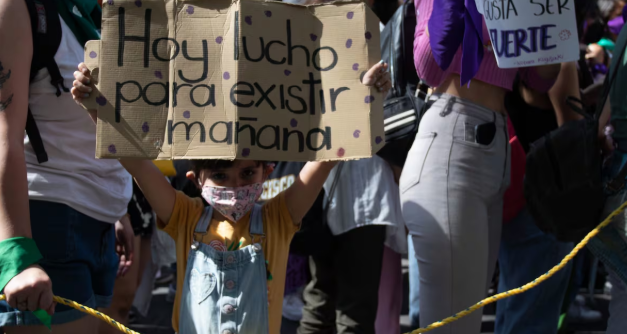
This case sparked a strong reaction in Mexican society, with demonstrations in several cities demanding justice for the victims and greater protection measures for girls and adolescents in at-risk situations. Organizations like REDIM emphasized that situations involving criminal groups increase the vulnerability of families, especially women and minors, who become targets of structural and criminal violence.
There are other cases, other names that also pain us.
Given this situation, it is urgent that authorities implement effective measures to prevent violence against girls and adolescents, strengthen protection mechanisms, and guarantee justice for the victims and their families. It is also essential to work on eradicating the gender structures that perpetuate inequality and violence, as well as on educating and raising awareness among the population to build a more just and equitable society.
Source: municipiospuebla