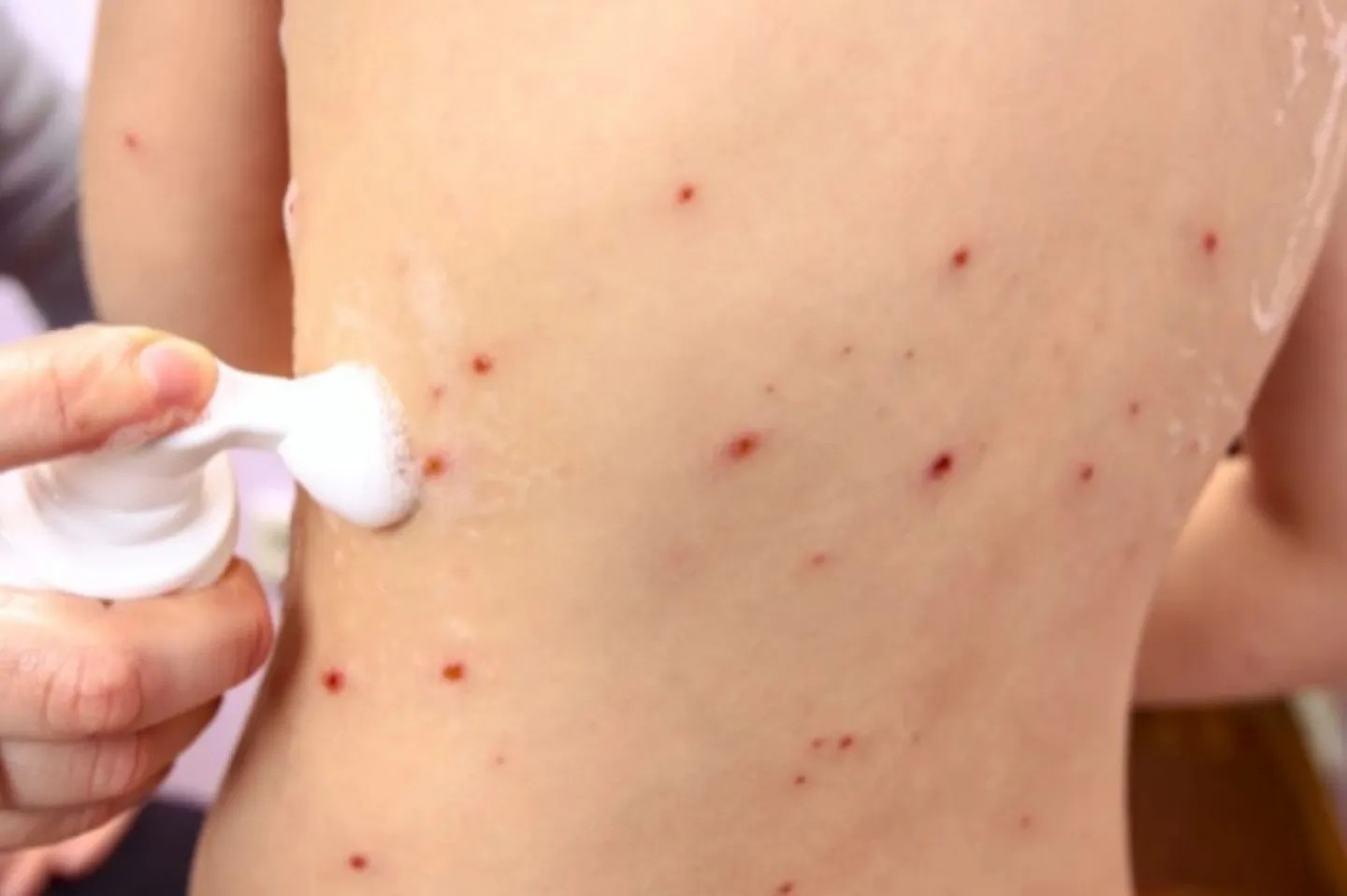

In February 2026, it will be one year since the first measles outbreak was recorded in Mexico, a situation that jeopardizes the certification granted by the World Health Organization (WHO) as a country free of the virus. According to the Daily Report on the Measles Outbreak in Mexico, the country has 7,131 confirmed cases, a figure that the Ministry of Health considers “historic” and which surpasses any previous record.
Samantha Gaerther Barnard, director of the Child and Adolescent Health Program at the National Center for Child and Adolescent Health, pointed out that, despite the increase in infections, only 5% of cases remain active, indicating a slowdown in the spread.
The Ministry of Health announced the deployment of Rapid Response Teams throughout the country, accompanied by ongoing sessions of the State Vaccination Councils and home visits for the immediate implementation of vaccination campaigns. In addition, epidemiological surveillance will be strengthened throughout the country to detect new cases promptly and prevent further spread of the virus.
In 2025, the government also launched National Vaccination Weeks and National Public Health Week, initiatives that will continue in 2026 with the goal of increasing coverage and completing immunization schedules.
National Communication Campaign and International Coordination
To reverse the low perception of risk among the population, the Ministry of Health will implement a national communication campaign on radio, television, social media, and print media. This strategy will be carried out in coordination with the Pan American Health Organization (PAHO) and other international organizations to reinforce messages about the safety and effectiveness of the vaccine.
“Without vaccination, the scenario would be worse”: Authorities highlight progress in dose administration
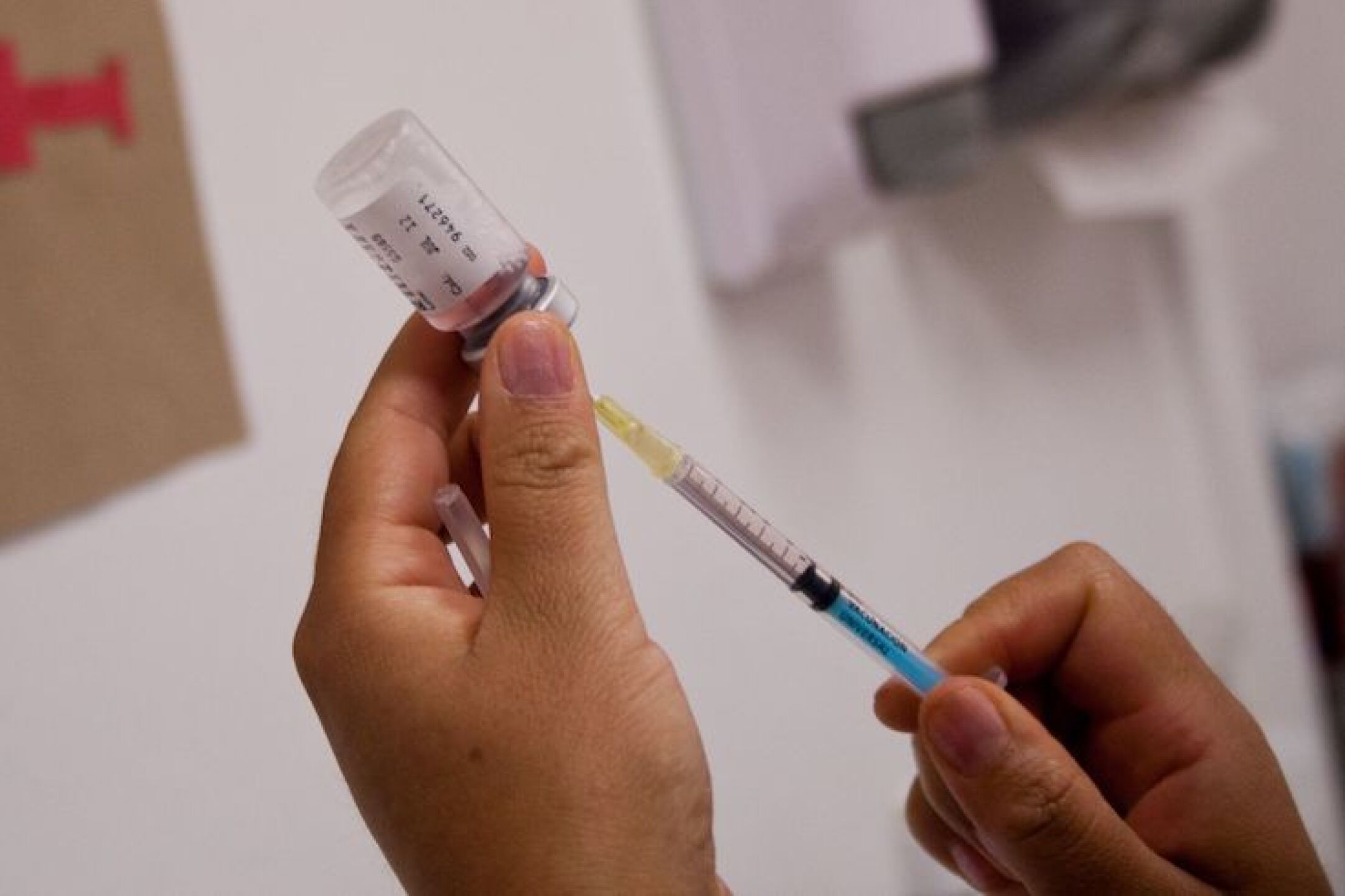
George Barnard emphasized that 11 million doses of the 18 million available measles vaccine have already been administered, and warned that the outbreak could have been much more severe without these efforts.
Epidemiologist Rodrigo Romero explained that the outbreak, which began in February 2025 in Chihuahua, is linked to a sharp decline in vaccination rates between 2006 and 2024. The study “Nineteen-Year Evidence on Measles–Mumps–Rubella Immunization in Mexico” (published in 2025) reveals that 22.5 million doses of the MMR vaccine, equivalent to 25% of the population, were not administered during that period. This negatively impacted herd immunity, as the minimum coverage of 95% established by the WHO and PAHO was not reached.
At the conference “Evaluating the Mega Vaccination Center,” organized by UNAM, Gaerther Barnard announced that second doses will be administered to children under five in 2026, and the national vaccination weeks, which will number three this year, will resume. The creation of a mega center to contain outbreaks is also being evaluated.
The Director General of Healthcare at UNAM, Gustavo Olaiz Fernández, highlighted that the mega-center installed in November next to the Olympic Stadium exceeded expectations and received people from other states, so they plan to replicate the model in other regions.
The Ministry of Health issued an urgent call to mothers, fathers, and caregivers to check their National Health Card and go to medical units to complete vaccination schedules, reminding them that the measles vaccine is safe, free, and highly effective, and that vaccination is the main tool to prevent the virus, reduce complications, and avoid deaths, with priority given to the most vulnerable groups.
Source: ejecentral