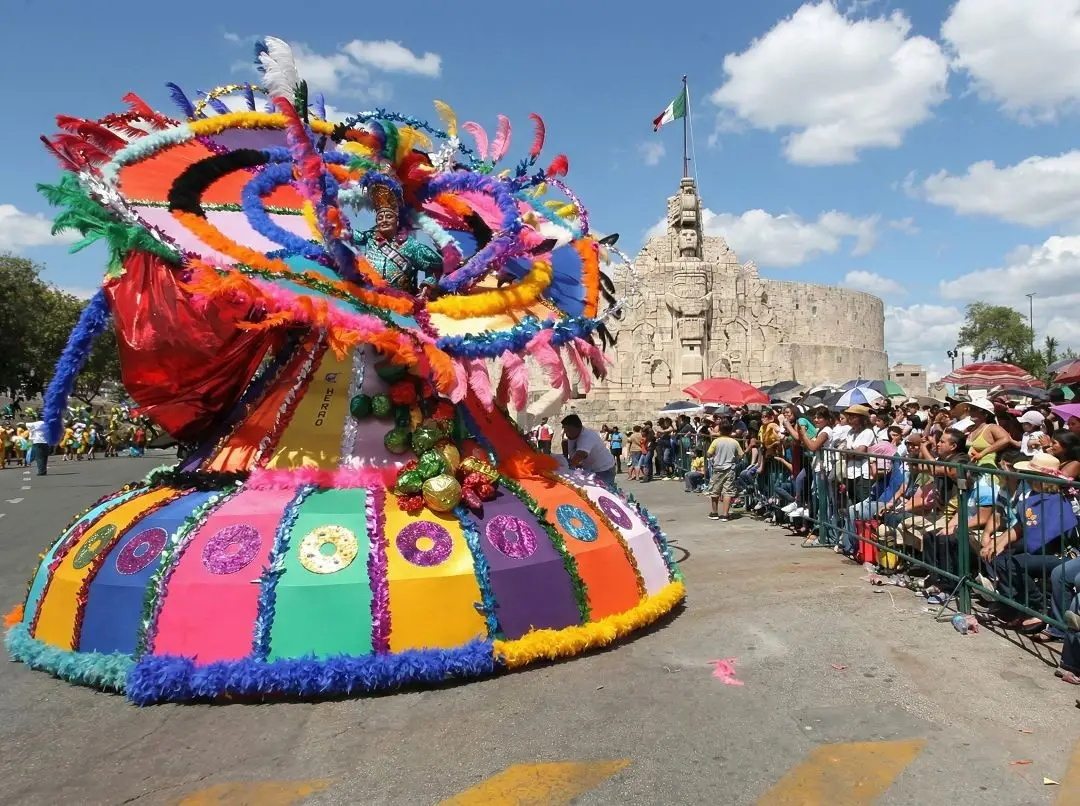

For more than four decades, the Mérida Carnival’s main stage was the iconic Paseo de Montejo, an avenue that each year transformed into a corridor of massive celebration. Between 2000 and 2013, a period many Yucatecans consider its golden years, thousands of visitors gathered at this spot to experience a vibrant and popular tradition.
In its early days, the atmosphere was unforgettable. Floats sponsored by commercial brands paraded along the avenue distributing gifts, food, and drinks, while troupes in colorful costumes danced to Latin music, accompanied by batucadas and open-air concerts.
What distinguished this festival was its inclusive nature. Families and groups of friends from the north and south of the city set up along the avenue early in the morning, and the Historic Center became a natural extension of the festivities.
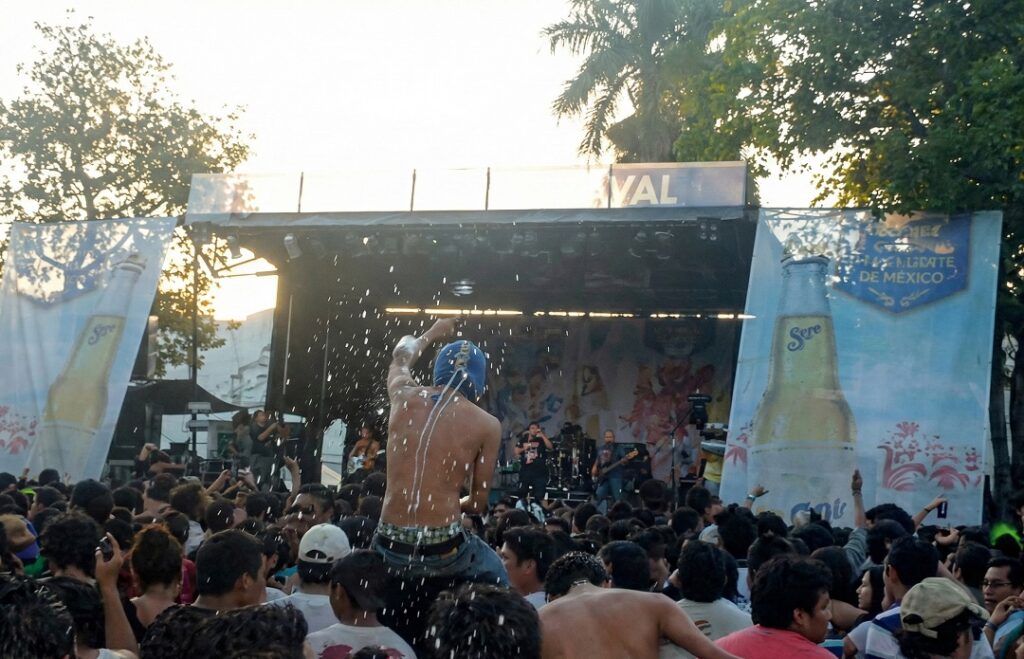
However, Carnival on Paseo de Montejo also came at a high cost to those who lived or worked in the area. As the hours passed, the family gatherings transformed, in the words of observers, into a “monumental open-air bar.”
Residents reported recurring damage: mutilated trees, destroyed street furniture, damaged facades, and cars parked even double-parked inside private driveways. At the same time, the streets were covered in tons of trash such as streamers, confetti, and beverage containers.
The behavior of intoxicated groups became more visible as the nights progressed. The music, played at extremely high decibels, continued until the early hours, making it impossible to rest within a considerable radius of the Paseo.
Later reports described those years as a period of “total anarchy” in the section from 47th Street to the Justo Sierra monument, where the open space made it impossible to maintain order.
The relocation of the Carnival was not a spontaneous decision. Discussions about a possible move began during the administration of Mayor Angélica Araujo (PRI), and for approximately 15 years, various sectors debated the feasibility of keeping the festival on Paseo de Montejo or seeking an alternative.
The pressure came from multiple fronts. Business owners, hoteliers, property owners, and merchants argued that the Carnival negatively impacted the city’s image and failed to attract quality tourism, becoming an “open-air bar.”
More formally, 17 civil society organizations submitted a joint request for an analysis of the possibility of relocating the event, solidifying the issue as an urban and social debate.
The final political decision came under Mayor Renán Barrera Concha during his first term, from 2012 to 2015. On November 13, 2013, Barrera officially announced that the Mérida Carnival would be moved to the Xmatkuil fairgrounds.
The mayor described the decision as “difficult, but responsible and in line with the interests of Mérida society,” presenting it as a measure aimed at the collective well-being.
Subsequently, the “Technical Committee for a Better Carnival” was formed, tasked with conducting a thorough analysis of the problems facing the Carnival at its traditional location and the possibilities offered by a new venue.
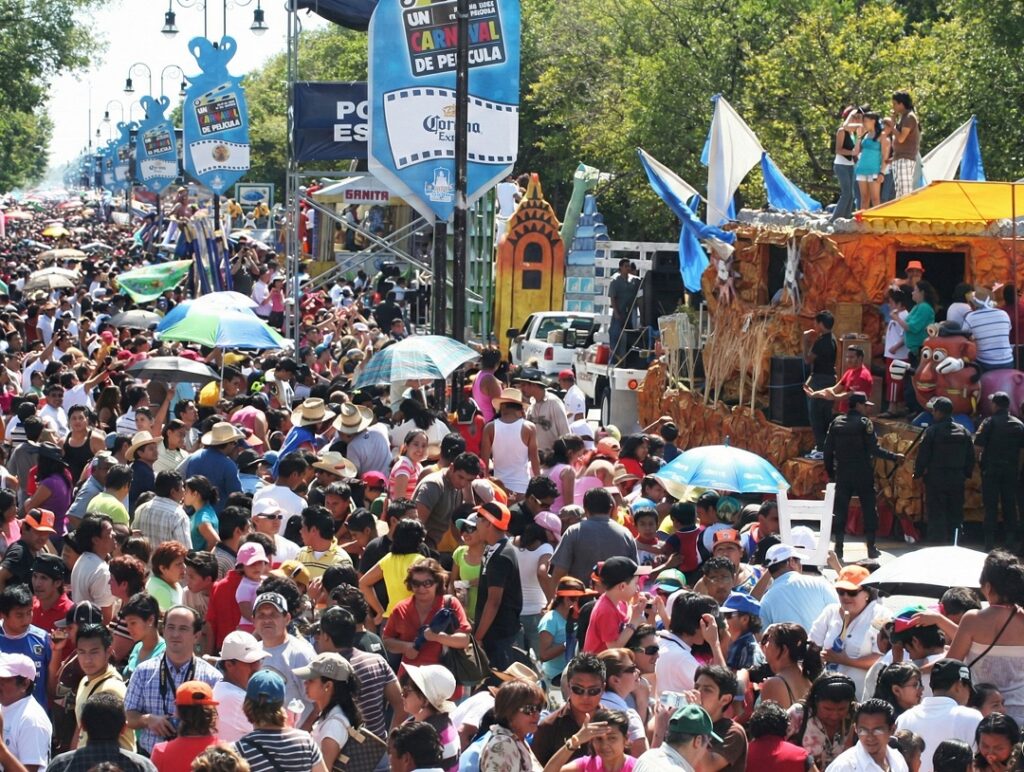
Source: horasyucatan