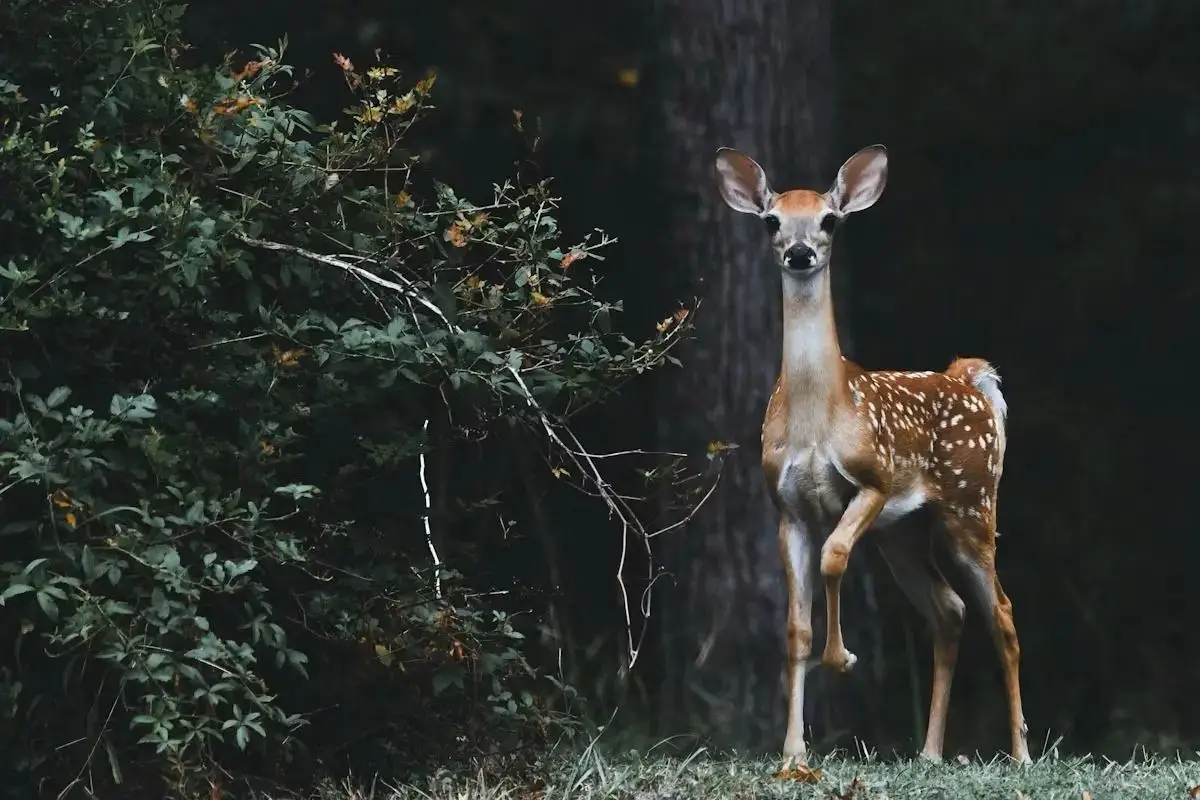

Despite the positive cases of screwworm infestation detected in cattle in Tamaulipas, there are no records of this larva in other wildlife species, according to the state’s hunting and sport fishing commission. Here are more details.
In Tamaulipas, screwworm infestation in wildlife species has been ruled out, according to the state’s hunting and sport fishing commission. Luis Eduardo García Reyes, executive director of the commission, indicates that the detected screwworm cases are concentrated mainly in cattle, with the exception of one isolated case involving a pet. However, there are no reported impacts on wildlife.
He also noted that surveillance has been reinforced in wildlife management units, especially in the southern region, with the support of camera traps and coordination with landowners and responsible technicians.
According to García Reyes, the low temperatures have been one of the key factors that have helped prevent the further spread of the fly that transmits the screwworm. However, he emphasized that monitoring remains active.
He added that during the white-tailed deer hunting season, hunters were asked to report any anomalies they might detect to prevent further infections or harm to the health of the animals and, consequently, also to people.
The answer is yes, but don’t panic. It’s normal to be alarmed if you have dogs or cats due to the screwworm infestation in Tamaulipas. Although it has primarily affected livestock, the reality is that it has also affected some pets, but here we explain why you shouldn’t panic and should remain calm.

Although the screwworm infestation also affects dogs and cats, it usually only harms animals with open wounds or skin lesions, since that’s where the parasitic flies tend to lay their eggs. So, if your dog or cat doesn’t have any visible skin wounds, the risk is much lower.
Some warning signs in your pet include:
- Wounds that don’t heal or worsen rapidly
- Presence of visible larvae in wounds or tissue
- Foul-smelling lesions with discharge or swelling
- Changes in behavior, appetite, or obvious pain
The screwworm, which you see so often in the news and which has now also affected Tamaulipas, is a fly larva that infests open wounds in animals and, rarely, in people. These flies lay their eggs in sores, wounds, or cuts; when the larvae hatch, they feed on living tissue, enlarging the wound and causing infection.
This larva commonly affects:
- Cattle
- Cows
- Sheep
- Goats
- Dogs
Humans can also be affected, but this is less common than with livestock.

Source: posta