
With the arrival of the 2026 FIFA World Cup—and Monterrey serving as one of the official host cities—Tamaulipas is emerging as a key destination for the thousands of foreign fans who will be traveling across the country’s northeast region.
Its proximity to Texas and Nuevo León has spurred the development of new tourism and culinary routes designed to attract visitors seeking something more than just soccer: authentic flavors, regional traditions, and genuine local experiences.
The State Secretariat of Tourism and local restaurateurs are collaborating on strategies to establish the state as an essential stopover on the way to the global tournament. They are focusing their efforts on municipalities with distinct culinary identities and signature dishes that showcase the gastronomic diversity of Tamaulipas.
Which culinary destinations in Tamaulipas should no World Cup tourist miss?
Tampico, Ciudad Madero, Ciudad Victoria, Tula, Reynosa, Matamoros, and Nuevo Laredo stand out as the municipalities with the greatest potential for attracting foreign visitors during the 2026 World Cup.
Each region offers a unique experience: fresh seafood in the south, Huasteca cuisine in the highlands, Northern-style meat cuts along the border, and traditional recipes in the central part of the state.

Why is Tampico poised to become one of the culinary capitals leading up to the 2026 World Cup?
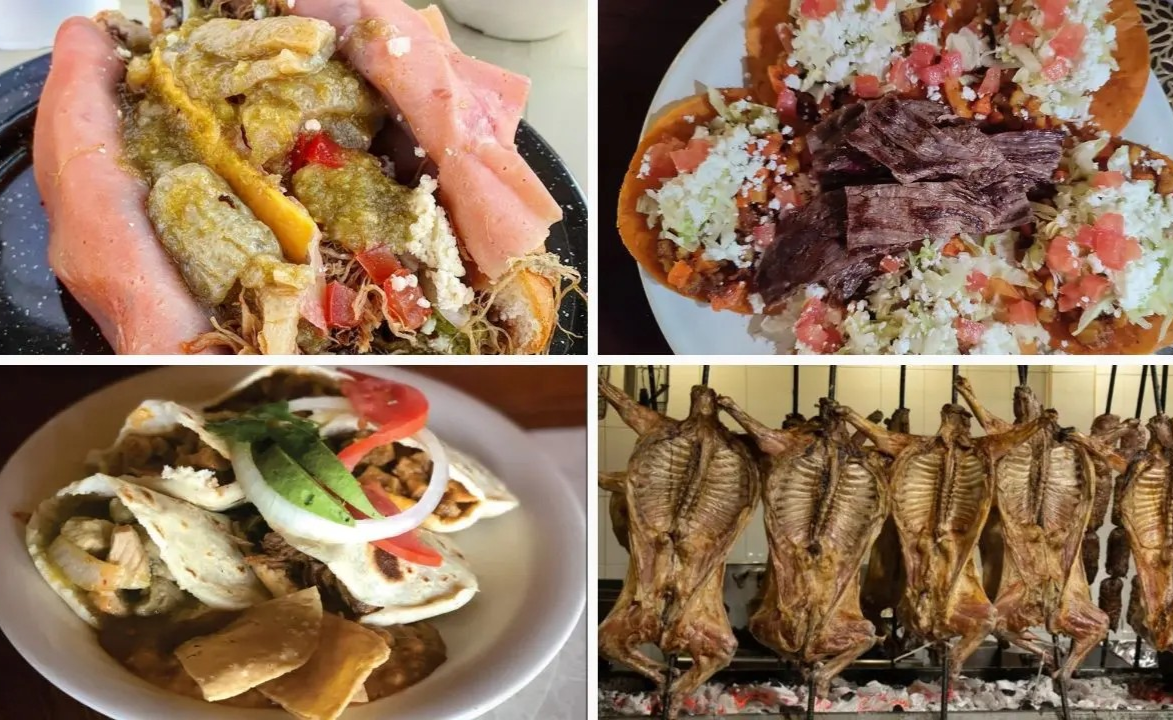
Southern Tamaulipas is home to some of the state’s most iconic dishes. Tampico, in particular, is renowned for the famous torta de la barda—considered a true culinary icon of the region thanks to its unique blend of cold cuts, cheeses, beans, avocado, and a special sauce.
Equally prominent are carne a la tampiqueña and jaiba rellena (stuffed crab), two recipes historically tied to the port city and the rich marine bounty of the Gulf of Mexico.
The state’s tourism strategy includes promoting routes in the southern region that combine beach activities, gastronomy, and port-side culture to attract international fans during the World Cup.

What culinary delights can a foreign fan sample in Ciudad Victoria?
The state capital, Ciudad Victoria, aims to position itself as a strategic hub for tourists traveling toward Monterrey—particularly in anticipation of potential hotel and airport congestion during the World Cup. In Ciudad Victoria, flavors from the north, the coast, and the Huasteca region converge. Among the most representative dishes are barbacoa, gorditas, bocoles, carne asada, and traditional stews prepared using family recipes.
Furthermore, local entrepreneurs are already developing a “Gastronomic Route” leading up to the 2026 World Cup to promote restaurants and culinary experiences through digital platforms and QR codes aimed at international tourists.

Why might Tula become the culinary surprise of the World Cup?
The Pueblo Mágico (Magic Town) of Tula represents one of the gastronomic jewels of the Tamaulipas highlands. It is the birthplace of the traditional enchiladas tultecas, prepared with red tortillas, cheese, and vegetables.
The region also stands out for its traditional sweets, artisanal mezcal, and cuisine featuring strong influences from both the Huasteca region and the semi-desert landscape.
The tourism routes promoted by the state include tours through municipalities such as Tula, Ocampo, and El Mante, designed to introduce foreign visitors to traditional Tamaulipas cuisine.

How will the Tamaulipas border region win over international fans?
Municipalities such as Reynosa, Matamoros, and Nuevo Laredo seek to capitalize on the influx of visitors arriving from Texas and other regions of the United States.
Border gastronomy is distinguished by cabrito (roast kid), carne asada, machaca, and “Northern-style” meat cuts—in addition to a strong Tex-Mex influence that feels familiar to foreign tourists.
Matamoros also boasts a prominent tradition of Chinese restaurants—a cultural legacy little known outside of Tamaulipas, yet one that forms an integral part of the border region’s culinary identity.
How does Tamaulipas aim to leverage the 2026 World Cup through its gastronomy?
State authorities have unveiled tourism routes focused on nature, culture, and gastronomy to attract visitors attending matches in Monterrey who decide to extend their stay in the country’s northeast region.
Tamaulipas’s strategy centers on transforming its regional cuisine into a complete tourism experience, wherein each municipality serves as a must-visit stop for foreign fans eager to discover authentic flavors either before or after the World Cup matches.

Source: posta