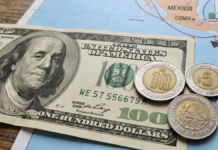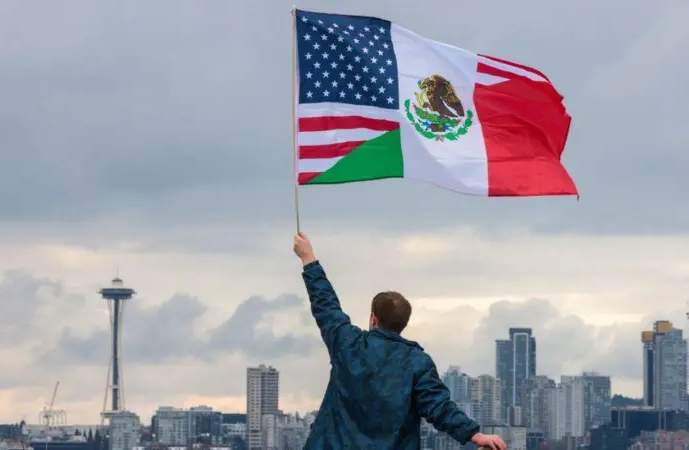

80%. That’s the percentage of Mexican exports that go to the United States. Or, to put it another way: eight out of every ten dollars Mexico earns from its exports come from its northern neighbor.
For many, this is synonymous with dependency, and the reason why Washington—especially with a transactional president like Donald Trump—has almost unlimited leeway to demand concessions from Mexico.
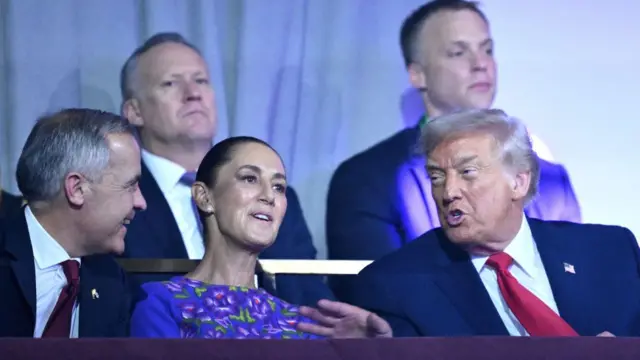
But that’s not the whole story: the United States, in many ways, also depends on Mexico; but less so: 16% of its exports, for example, go to its southern neighbor.
So the word, perhaps more than dependency, is asymmetry. And it encompasses, in reality, a discussion, not only economic, that Mexicans have been having for decades, even centuries.
But now Donald Trump’s protectionist agenda and the pressure he has exerted on Claudia Sheinbaum on issues like migration and the fight against drugs—intertwined like never before with trade—have brought the dilemma back to the forefront: can Mexico be less economically dependent?

This year, two events highlight this complex yet fruitful relationship: a World Cup co-hosted by both countries—and Canada—and the review of the North American Free Trade Agreement (NAFTA, formerly USMCA) that the three countries signed in 1994.
The agreement represents an economy of nearly US$31 trillion in nominal GDP, or about 30% of the global economy. No other trade bloc in the world is as large.
And, almost coinciding with the World Cup, its principles will be reviewed and, it is hoped, updated to reflect the current needs of each country. Will this be an opportunity to rebalance the trade balance?
Source: bbc