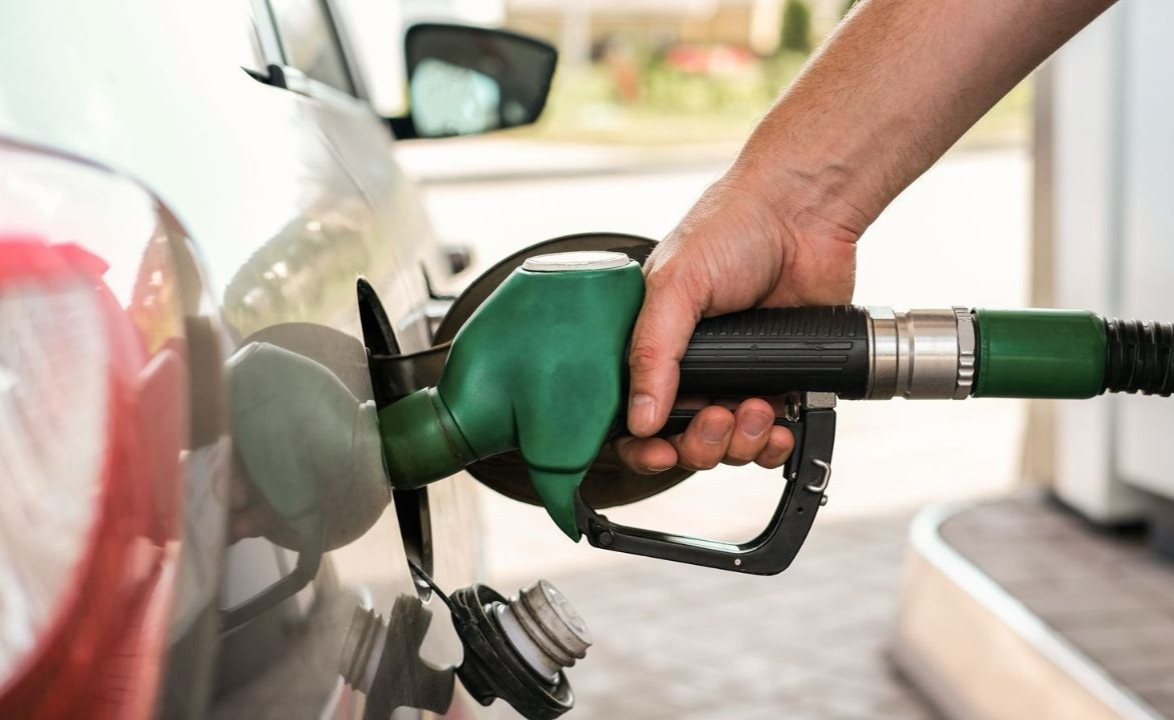

The rising cost of gasoline in Quintana Roo has become a source of pressure on the local economy. Labor unions announced they will appeal to the Federal Consumer Protection Agency (Profeco) to request its intervention regarding what they identify as a concentration of the fuel market in the state.
The unions maintain that a distribution control scheme exists that has resulted in prices higher than the national average. According to their complaints, gasoline in the state is sold with an additional margin ranging from 60 centavos to 1.60 pesos per liter, which directly impacts household spending and productive activities.
The effect extends to sectors such as transportation and construction. Representatives of the latter industry anticipate increases of between 10 and 15% in housing costs, linked to the rise in inputs such as steel and aluminum, as well as the costs of transporting materials to the Peninsula.
In terms of household consumption, the price increase represents an additional expense of approximately 2,000 pesos per month, equivalent to about 500 pesos per week, according to estimates released by the dissatisfied sectors themselves.
Within this context, the complaints identify CorpoGas as one of the main players in hydrocarbon distribution in Quintana Roo. The corporation is linked to businessman Ricardo Antonio Vega Serrador and the Mouriño family. There are also mentions of past relationships with former governors Roberto Borge and Félix González Canto, as well as former president Felipe Calderón.
Available data indicates that this group controls around 64% of the fuel market in the state. The issue was raised in 2024 during the morning press conference of then-President Andrés Manuel López Obrador, where the company was accused of allegedly controlling the supply in the state.
On that occasion, the federal government announced that the Federal Consumer Protection Agency (Profeco) would launch investigations and that alternatives to improve supply were being analyzed. Among the proposals discussed was the use of the Maya Train for fuel transport, along with the construction of cargo terminals—a project currently underway.
While this plan is being finalized, unions in the region intend to file a public complaint to expose the market situation in Quintana Roo and request measures to regulate consumer prices.

Source: noticiasenlamira