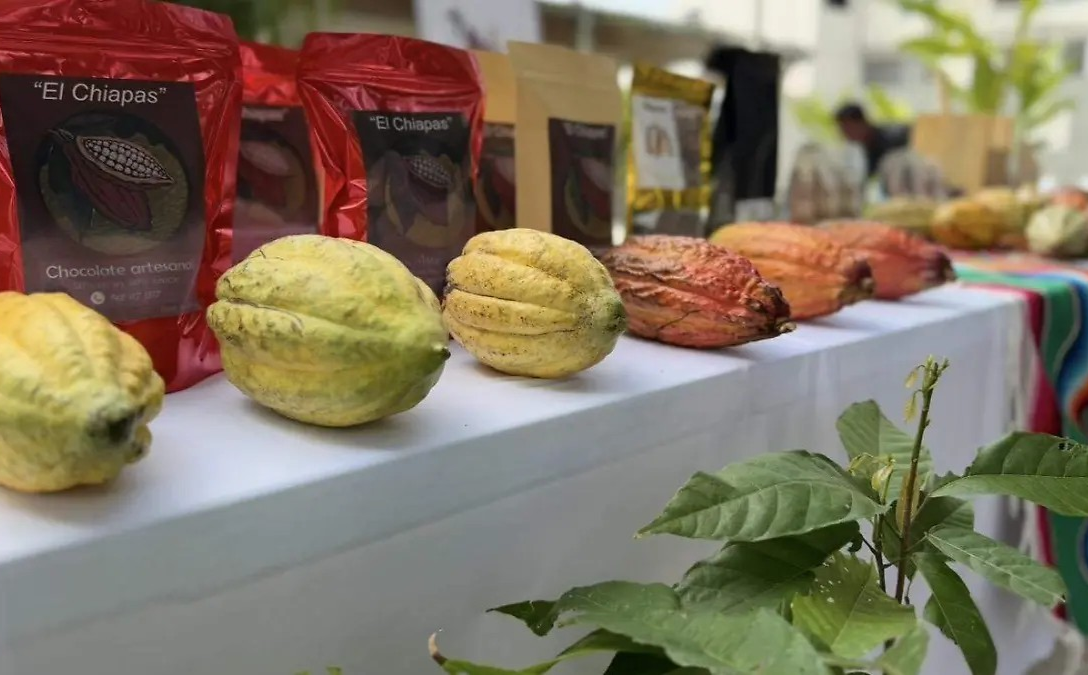

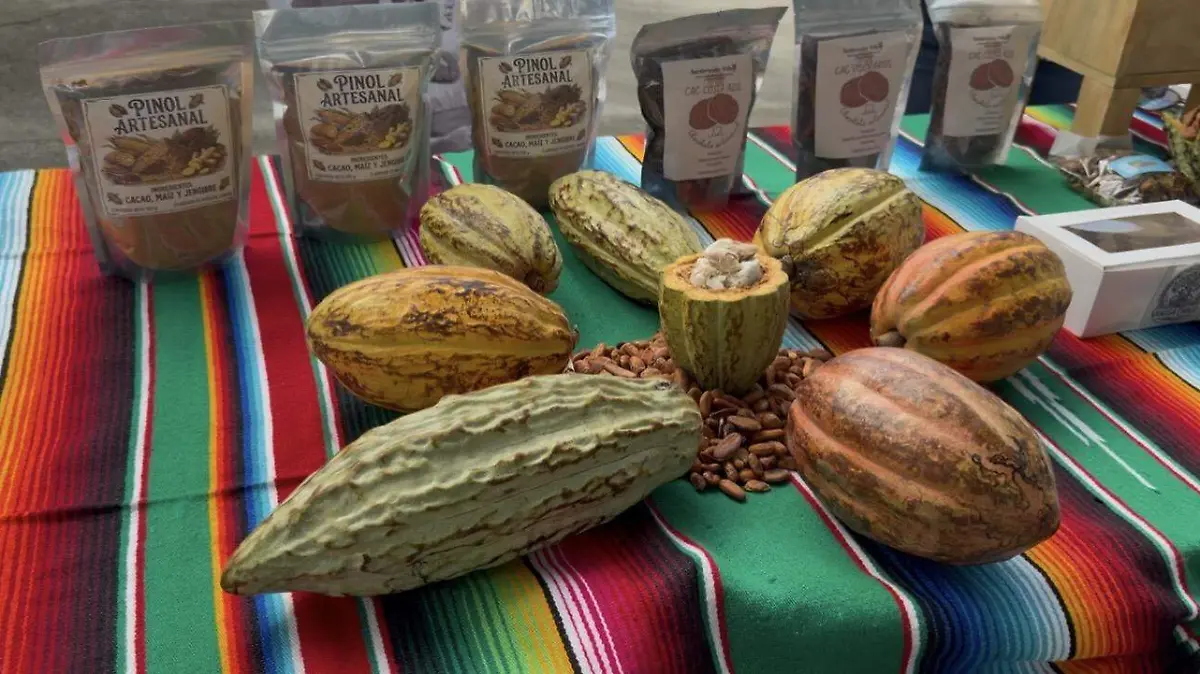
Low productivity, diseases, and deficiencies in post-harvest processes remain the main challenges currently facing cacao cultivation in the southern border region, limiting its profitability and growth.
The director of the INIFAP Pacific South regional center, Carlos Hugo Avendaño Arrazate, pointed out that one of the most important challenges is increasing production per hectare, since current yields are between 400 and 450 kilos, while the goal is to exceed one ton.
“Achieving yields of between 800 and 1,000 kilos per hectare would significantly improve producers’ income, although this requires strengthening the technical management of the crop and adopting new technologies,” he stated.
He added that another problem affecting cacao is the presence of diseases such as moniliasis, and therefore emphasized the importance of using tolerant genetic materials and implementing agroecological practices.
He emphasized that this type of production is not a trend, but a necessity to guarantee the product’s sustainability and access international markets that seek clean and healthy products.
He indicated that cacao quality remains a challenge, primarily in the post-harvest stage, where processes such as fermentation and drying are crucial for obtaining beans suitable for high-end chocolate production.
He explained that the region produces around 9,000 tons of cacao, while nationally the figure ranges between 28,000 and 28,500 tons. However, domestic consumption reaches 70,000 tons, representing a deficit of approximately 60 percent.
He noted that Chiapas remains the second largest producer in the country, second only to Tabasco and ahead of states like Guerrero, while other states such as Oaxaca, Veracruz, and Michoacán are beginning to cultivate cacao.
Finally, he called for strengthening the cocoa value chain, since currently producers receive only between 6 and 8 percent of the profits, which highlights the need to create more equitable conditions that allow them to improve their quality of life.
Source: oem