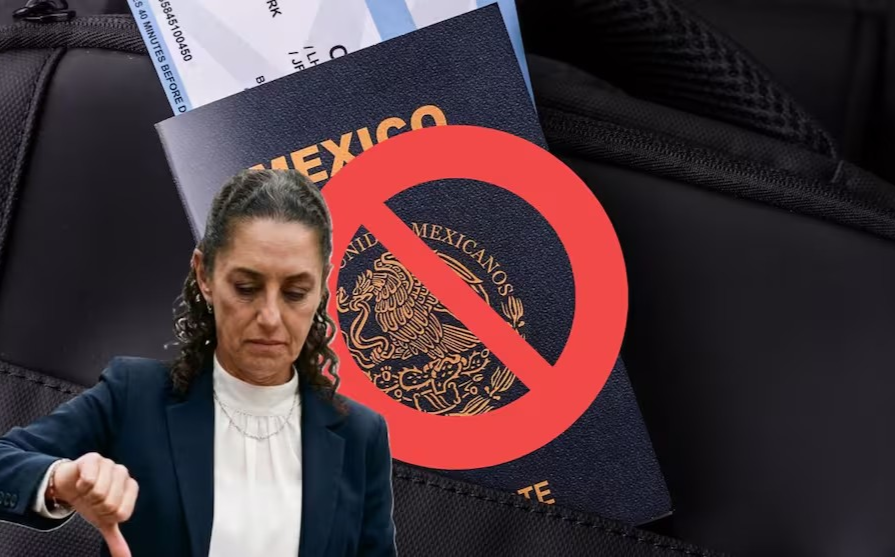

The Senate unanimously approved the creation of a public registry that will restrict procedures, candidacies, and even travel abroad for those who fail to pay child support.
The Senate of the Republic approved the creation of the National Registry of Delinquent Child Support Debtors with 84 votes in favor and none against. The measure amends the General Law on the Rights of Children and Adolescents and will be published in the Official Gazette of the Federation (DOF).
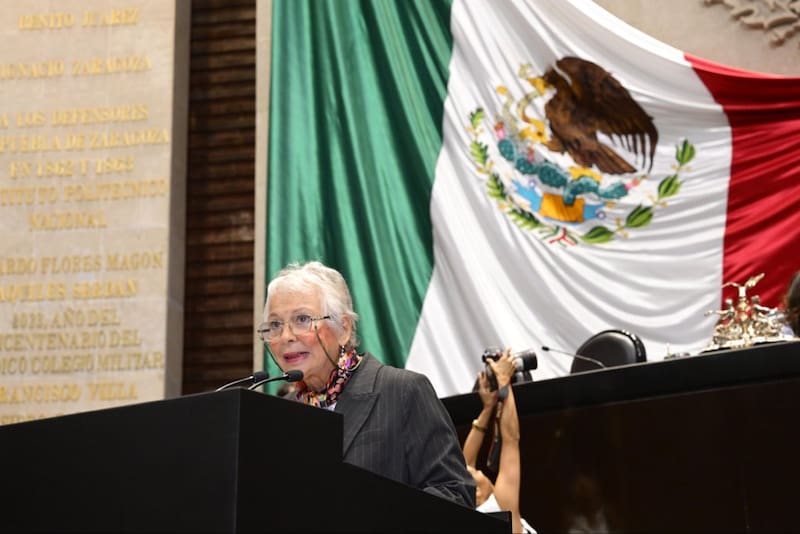
The bill had been approved by the Chamber of Deputies in 2019, but remained stalled for four years until March 2026. Senator Olga Sánchez Cordero, president of the Justice Committee, revived it and brought it to the Senate floor. “Child support payments must be guaranteed in a timely and standardized manner throughout the country,” she stated from the Senate floor.
Which procedures will require a certificate of non-registration?
Those listed on the registry will face restrictions in key procedures, such as:
obtaining a driver’s license
applying for or renewing a passport
carrying out notarial transactions for the purchase and sale of real estate.
In all these cases, it will be mandatory to present a certificate proving that they are not registered on the list of Delinquent Child Support Debtors.
It will also be required when applying for marriage at the Civil Registry, which must inform the couple about any registered child support debt. Furthermore, delinquent debtors will not be allowed to run for elected office, municipal positions, or participate in the appointment of judges or ministers.
The numbers are revealing: INEGI reports that seven out of ten divorced parents do not comply with child support payments, as Senator Mayuli Martínez (PAN) stated on the Senate floor. “It is a problem that affects millions of families in Mexico,” she warned.
Senator Geovanna Bañuelos (PT) noted that, according to the Supreme Court, “alimony” includes education and recreation, not just subsistence. The registry thus represents a tool for institutional pressure to close the gap between the right recognized in the law and its actual fulfillment.
Source: cronista