
To contribute to the conservation of biodiversity in Mexico City, the 16 boroughs—in coordination with the Ministry of the Environment (SEDEMA)—must expand the pollinator gardens within their jurisdictions, as well as strengthen awareness among the city’s residents about the protection of ecosystems.
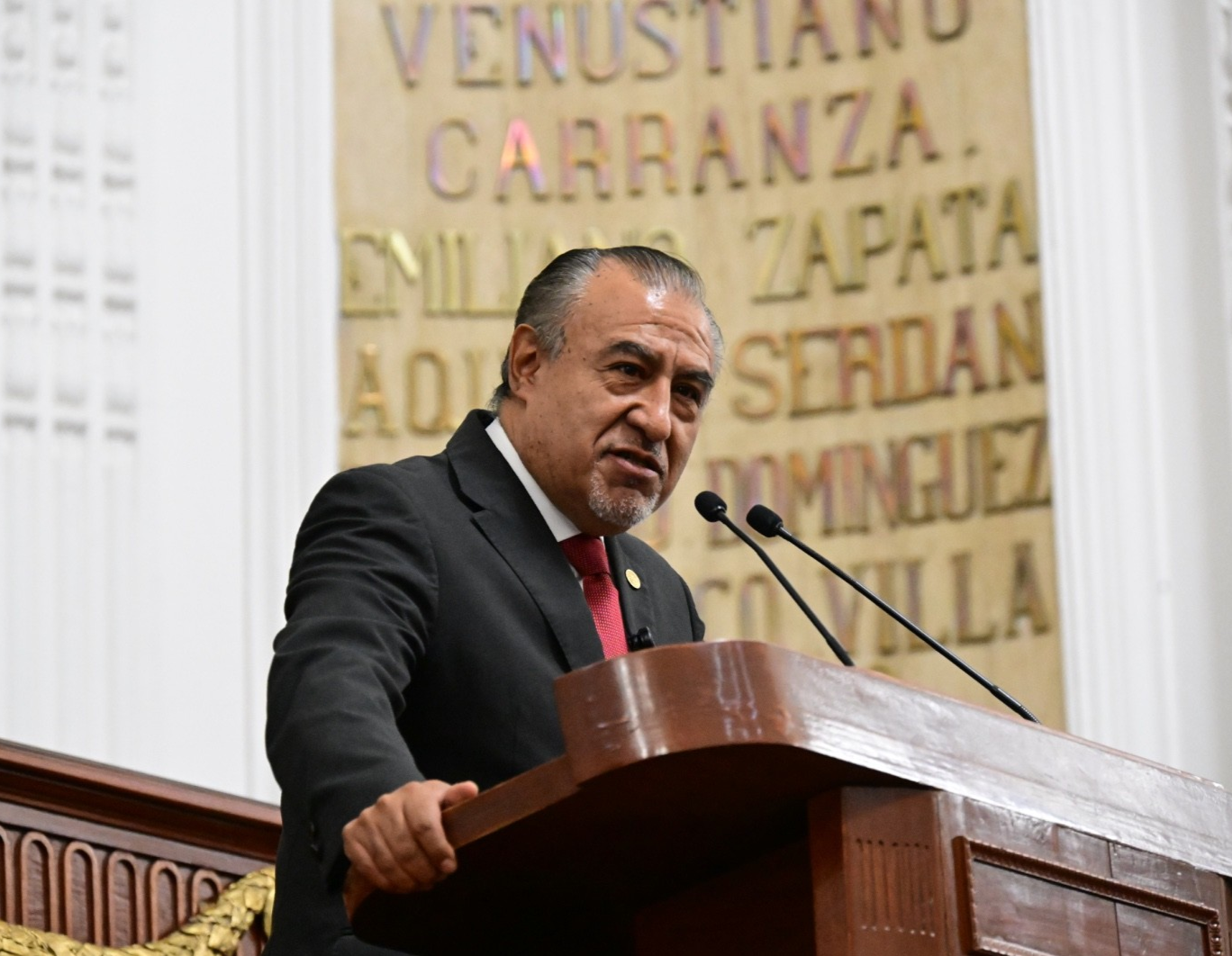
In its Ordinary Session on April 8, the Mexico City Congress approved a proposal by Representative Pablo Trejo Pérez framed within the context of “International Mother Earth Day,” commemorated every April 22.
“This date represents more than just a reference point on our civic calendar. It is a call for deep reflection and, above all, for urgent action in the face of global problems such as the climate crisis, pollution, and the alarming loss of biodiversity caused by human activity,” he emphasized.
From the podium, he stated that the nation’s capital is no stranger to this reality, as it faces increasingly complex environmental challenges due to urban growth, the loss of native vegetation, and the progressive deterioration of green spaces.
The Deputy Coordinator of the PRD Parliamentary Group explained that within the ecosystem of this metropolis, there are beings that often go unnoticed, but whose work is the cornerstone of survival: the pollinators.
“Bats, bees, butterflies, and hummingbirds beautify our streets and, moreover, are essential living refuges for the reproduction of thousands of plant species,” he elaborated.
In this regard, he emphasized that more than 70 percent of the crops consumed by the population depend directly or indirectly on the work of these pollinators, making their protection a top environmental priority. Unfortunately, he expressed that habitat fragmentation has left them without safe havens.
“Environmental conservation in our capital can no longer be limited exclusively to protecting large conservation areas. It must extend to
the streets, to the local spaces that are part of the daily lives of our citizens,” he stated.
In this context, Trejo Pérez acknowledged the efforts of SEDEMA (the Mexico City Ministry of the Environment) because, since 2019, it has been promoting the “Gardens for Life” strategy, which has resulted in the installation of more than a thousand pollinator gardens with native flora and has trained more than 1,200 people in urban conservation.
“However, given the size of our city, this effort must be multiplied. The expansion of these gardens has demonstrated that when community spaces—parks, medians, housing complexes, and even the PILARES community centers—are integrated, visible environmental benefits are achieved,” he emphasized.
Therefore, he added, it is essential that all the city’s boroughs allocate at least one percent of their total budget to the environment, climate change, and animal welfare.
Finally, the representative considered that investing in these biological refuges will allow the capital to withstand the onslaught of climate change and, at the same time, evolve towards a harmonious and legally responsible coexistence with its biodiversity.

Source: congresoscdmx