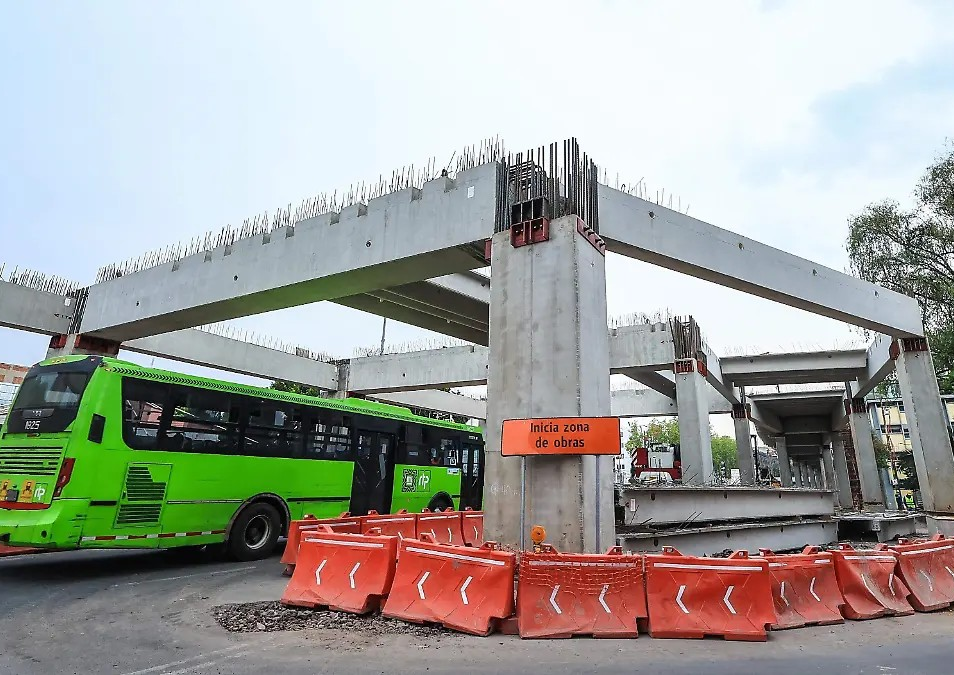

“We’re racing against the clock, but we’re going to finish on time”: with that phrase, the Mexico City government pledged to deliver all the mobility projects they promised more than a year ago. Fifty days before the start of the World Cup, the renovations to Line 2 of the Metro system, the construction of the floating walkway over Avenida Tlalpan, and the Light Rail renovation are the three projects progressing slowly.
With less than two months until the opening whistle of the World Cup at Banorte Stadium, concern is growing in Mexico City. Projects that seemed ambitious in press conferences are now generating uncertainty due to the limited time available for their completion.
The Sports Daily traveled from the Plaza de la Constitución, the heart of the city, to the Azteca Stadium. The purpose of the trip was to document the status of the projects at this point in the schedule.
Probably the most ambitious project of Clara Brugada’s administration is the Floating Causeway, which will run from the Pino Suarez Metro station to Chabacano. The construction will cover just over 1.54 kilometers, and with the World Cup just 50 days away, the progress looks discouraging.
Hundreds of workers are scattered throughout the area, some welding, others cutting metal, some pouring concrete, others supervising. The common denominator is the haste with which they carry out their tasks.
Sections of the Causeway are still not connected, the stairs that will provide access appear incomplete, and construction of the final connection to the Chabacano Metro station has not yet begun.
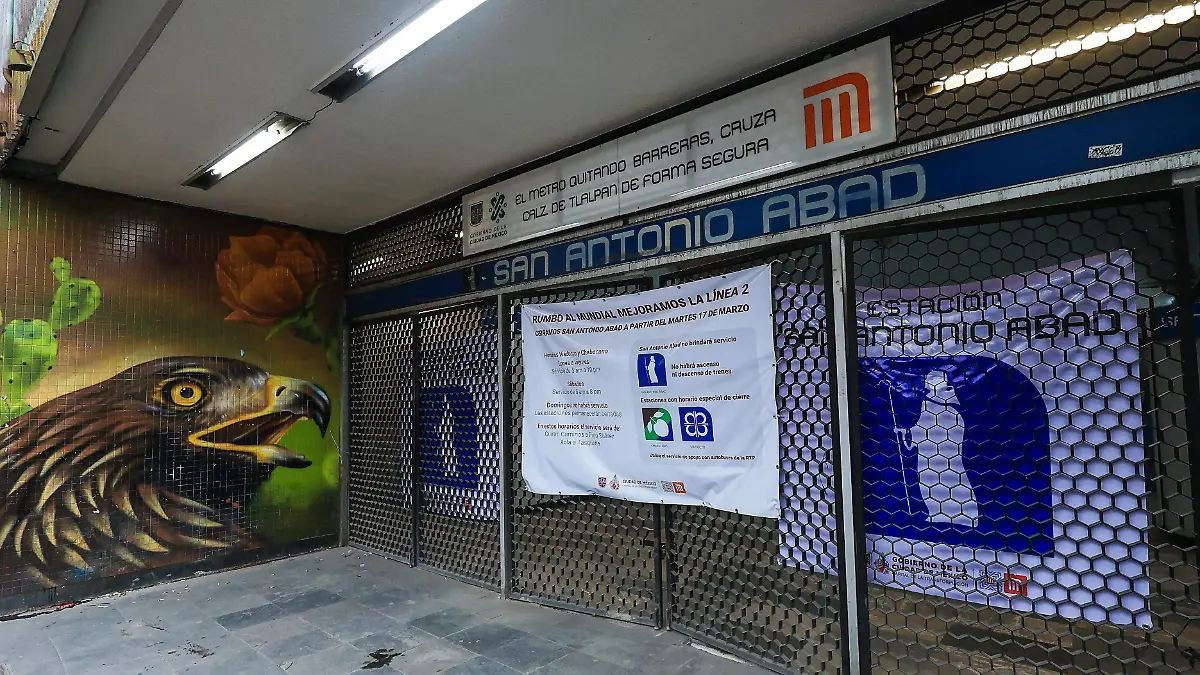
Line 2 of the STC Metro, known for its blue color and which will connect downtown Mexico City to the Banorte Stadium, is in ruins. The Pino Suárez, Zócalo-Tenochtitlán, Allende, Bellas Artes, and Chabacano stations are littered with construction materials, clouds of dust, piles of rubble, and confusing signage.
Those most affected by this situation are the commuters, who have to navigate around stones, dust, and makeshift ramps made of wood or dirt. The platform walls are exposed, revealing partitions and wiring that should be covered by walls that still seem far from being built.
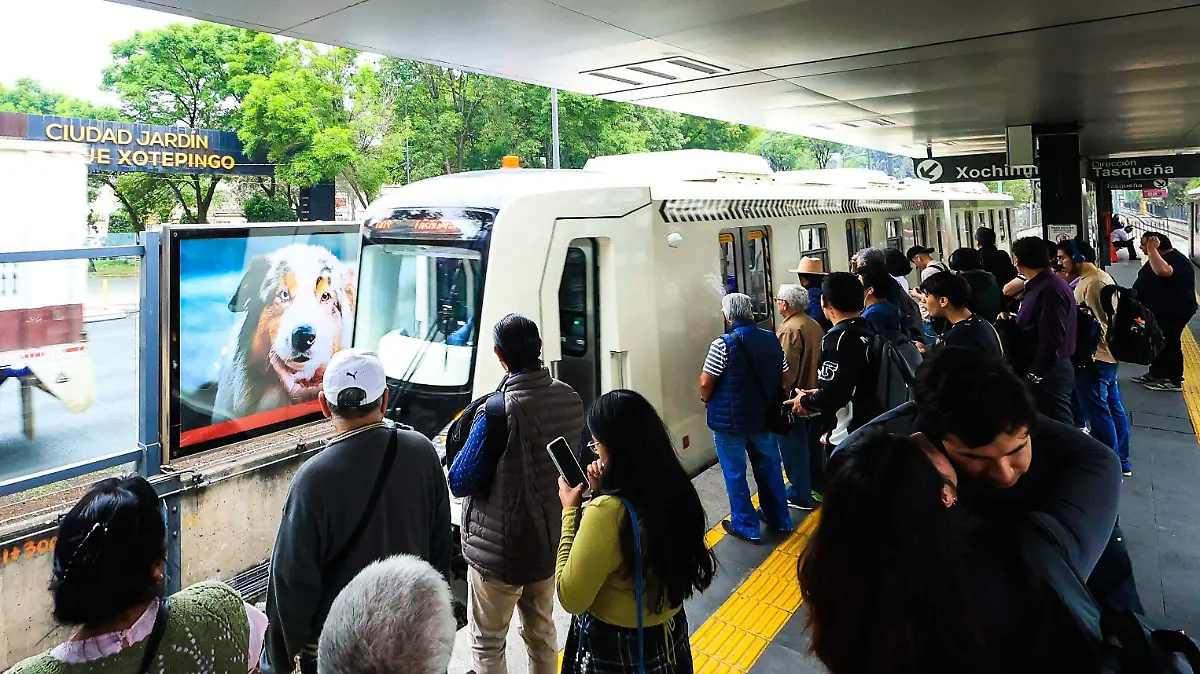
The Taxqueña station of the Light Rail has been operating on game days at Banorte Stadium; however, it remains closed the rest of the time. The turnstiles are now functioning normally, but there are still some cosmetic details being addressed, forcing commuters to take RTP buses to Ciudad Jardín station to board the trains.
The disruptions to the Metro system have generated the most frustration among commuters and residents of the area. Every day, commuters have to deal with the chaos caused by construction, which delays their journeys. Now, residents have to plan ahead to allow extra time for their trips.
Users who previously made commutes in an hour and a half now take up to twice as long, due to service delays and simultaneous construction projects that force them to endure noise, dust, and other inconveniences.
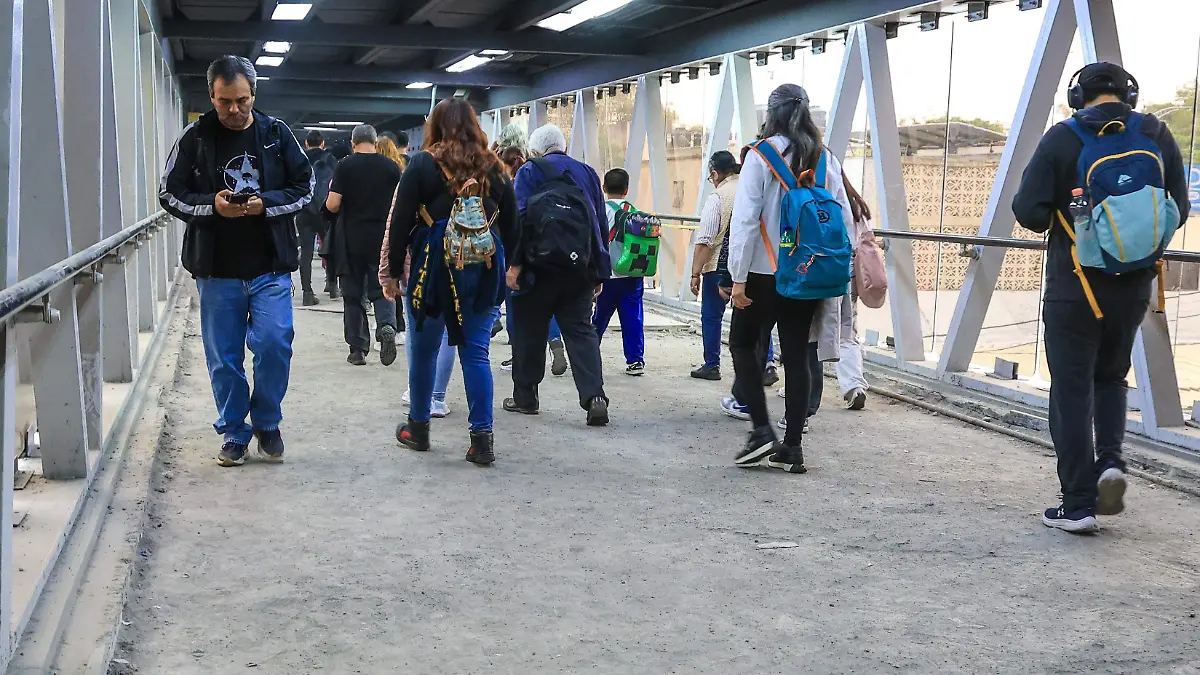
“I was going to go eat, but I couldn’t anymore; I bought an apple and a soda instead to tide me over on my way there and back, to see if I have time. And if it rains, forget it… honestly, you don’t even feel like moving from where you are. I prefer to wait, because it gets to be 10 p.m. and you haven’t had time to do anything,” commented César, a passenger on Line 2, to ESTO.
“It’s too slow, it’s super overloaded, I’m waiting so I don’t get crushed. It’s creating more chaos because everything is being done at the same time as it’s being used,” he added.
Some travelers are questioning the timing of these interventions. They point out that the city government waited too long to begin the remodeling work, and that the lack of consistent maintenance in past years has led to the need for more complex processes now.
“It’s good that they’re doing the repairs, but it’s a shame they have to wait until a World Cup to do it. It seems like it’s all to give a good impression of the city, and while it’s positive, they’re already late,” said Julio César.
Merchants in the area between San Antonio Abad and Chabacano report significant economic losses due to the construction of the floating walkway. The presence of machinery, dirt, and partial closures has considerably reduced pedestrian traffic, directly impacting their sales.
“We’ve been like this for almost three months; there’s no pedestrian crossing and that has affected us a lot. People can’t get through and they turn back. We estimate losses of up to 70%,” commented Blanca Castro, who doesn’t believe this construction project will bring any benefit to her stationery and school supply store.

Source: oem