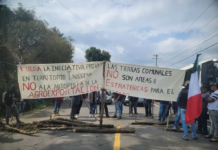

In response to the invasion and siege of the Jalisco New Generation Cartel (CJNG) in the indigenous communities of Michoacán, the communities launched a series of actions, including road and highway blockades, to demand greater security. Otherwise, they warn, they will rid their communities of organized crime themselves.
The trigger was the attack on May 7th, perpetrated by the Jalisco New Generation Cartel and the Chilchota Municipal Police, who are working for the cartel.
This offensive by the CJNG and the municipal officers left two residents dead from gunshot wounds: a teacher and the cemetery caretaker, as well as another resident wounded.
The attack was repelled by personnel from the Mexican Army and later by the National Guard, who, in their advance, were also targeted by the armed group.
Authorities in the local government denounced that the municipal police force acted as another armed wing of the Jalisco New Generation Cartel, which perpetrated the attack against residents of the community, a claim also confirmed by reports from federal security agencies.
The mayor of Chilchota, Alejandra Ortiz Suárez, remains silent regarding the incident, despite the fact that the security force under her command demonstrated its subservience to the cartel.
This attack in Acachuén, the complicity of municipal authorities, and the impunity and freedom with which this criminal organization operates in various indigenous communities, prompted this and other communities to raise their voices.
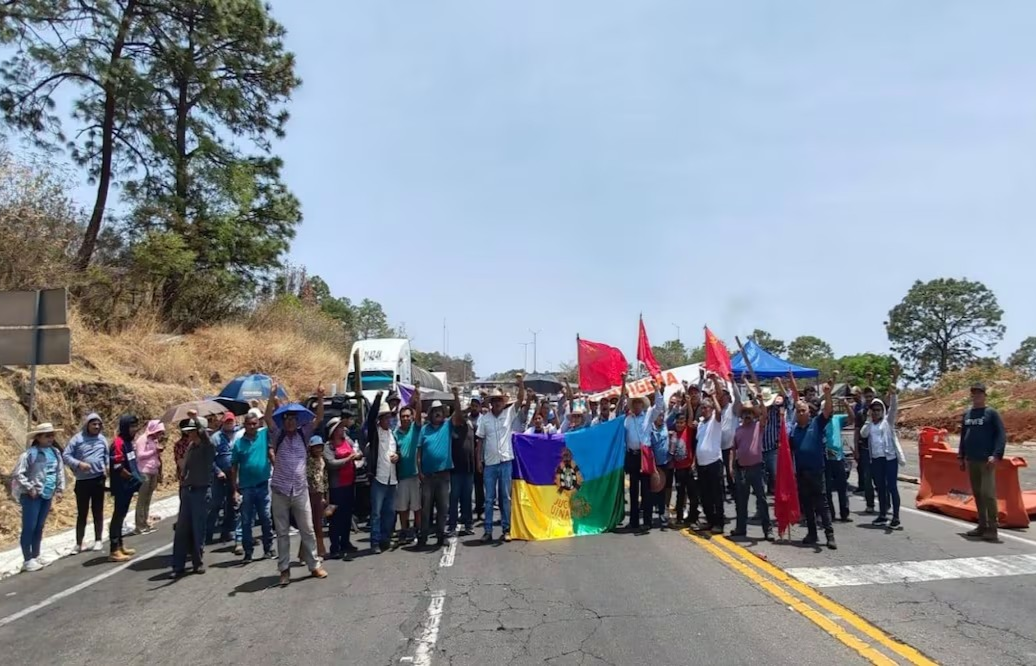
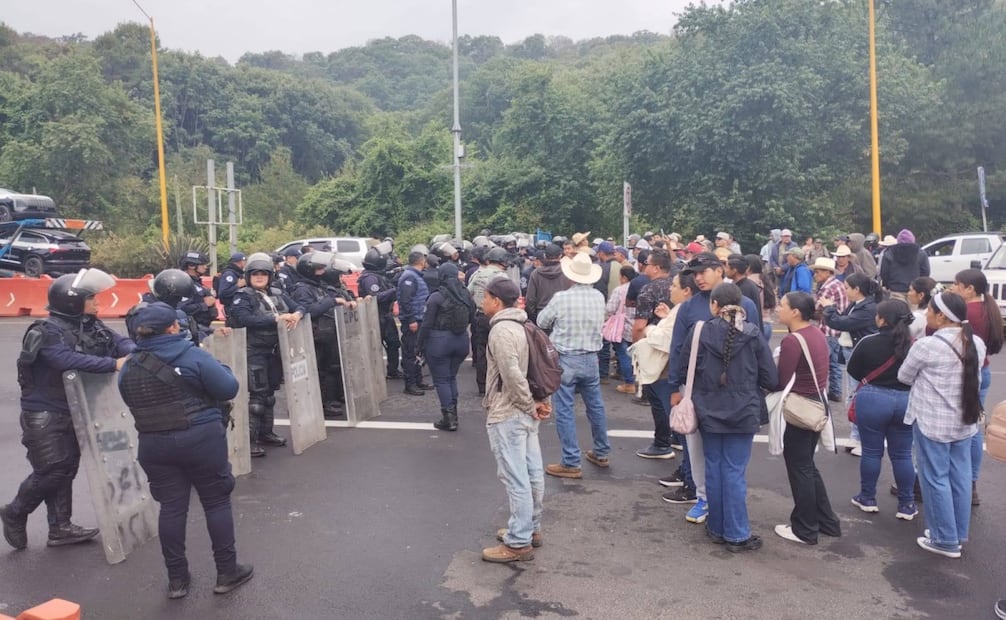
This Monday, as part of their protests, indigenous communities from the Purépecha Plateau and the Cañada de los 11 Pueblos region took to the roads and highways, blocking them at five different locations to demand the urgent intervention of the state and federal governments.
Starting at 10:00 a.m., protests began on the following highways: Zacapu-Zamora (near the turnoff to Purépero); Pátzcuaro-Uruapan (near San Juan Tumbio); Paracho-Uruapan (at the entrance to the municipal seat of Paracho); Cherán-Zamora (in Acachuén); and on Highway 21 (at the Zirahuén tollbooth).
With what they called the “State Day for Security, Justice, and Peace,” the Indigenous communities are demanding security, justice, and peace for the Indigenous communities of Michoacán.
Source: eluniversal