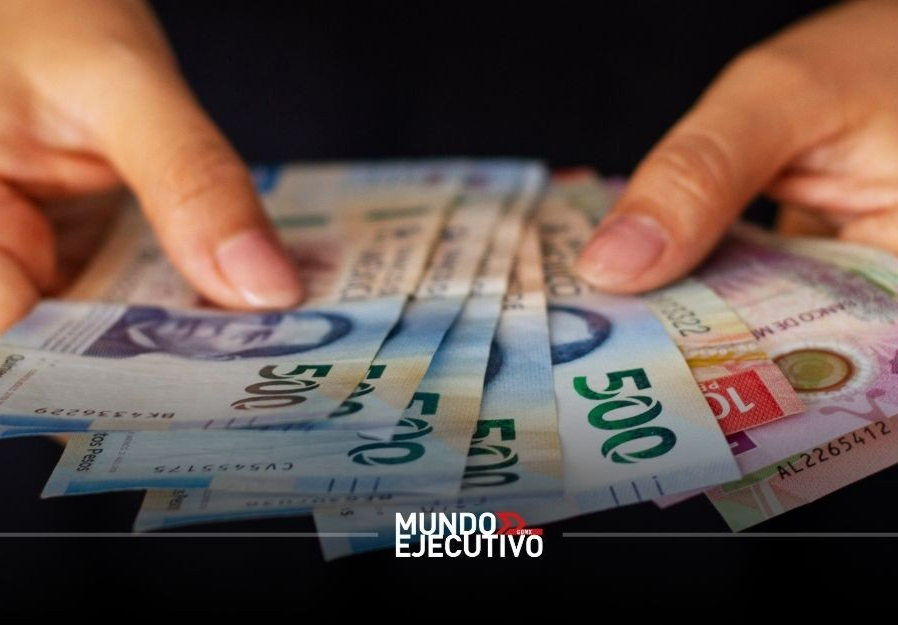

Remittances in Mexico continue to solidify their position as one of the most important economic pillars for millions of families, especially in states with high rates of migration to the United States. During the first quarter of 2026, states like Michoacán, Guanajuato, and Jalisco topped the national list for receiving money sent by Mexicans abroad, according to official figures from the Bank of Mexico (Banxico).
The flow of remittances not only boosts domestic consumption but also represents a key source of income for thousands of households that depend on the financial support of family members working outside the country.
According to Banxico data, Michoacán ranked first nationally in remittance receipts during the first months of 2026, registering income of $1.249 billion.
Guanajuato followed closely behind, also receiving $1.249 billion, solidifying both states as the main beneficiaries of money sent from the United States.
Jalisco ranked third with $1.193 billion, while Mexico City received $1.154 billion in remittances.
The list of states receiving the most remittances is as follows:
Michoacán
Guanajuato
Jalisco
Mexico City
Chiapas
Oaxaca
Guerrero
State of Mexico
Puebla
Veracruz
Experts point out that remittances have become a fundamental tool for reducing economic hardship in regions with high migration rates.
In states like Michoacán, Guanajuato, and Oaxaca, these funds represent a significant part of the local economy, as they help cover basic expenses such as food, housing, education, health, and services.
Furthermore, the steady flow of money from the United States keeps regional trade active and strengthens domestic consumption in various rural and urban communities.
The growth in remittances also reflects the importance of the Mexican migrant community in the United States, where millions of workers continue to send financial support to their families.
The economic relationship between the two countries remains heavily dependent on this financial flow, especially in regions where a large portion of the population has family members working abroad.
However, economists warn that this dependence can also create vulnerability to potential changes in U.S. immigration policies, economic slowdowns, or disruptions in the U.S. labor market.
In recent years, Mexico has registered record levels of remittance inflows, driven primarily by the increase in the number of electronic transfers and the strengthening of migrant employment in the United States.
The Bank of Mexico (Banxico) has highlighted that the country maintains a positive trend in foreign currency inflows, solidifying remittances as one of the most important sources of income for the national economy, along with exports, tourism, and foreign investment.
Source: mundoejecutivocdmx