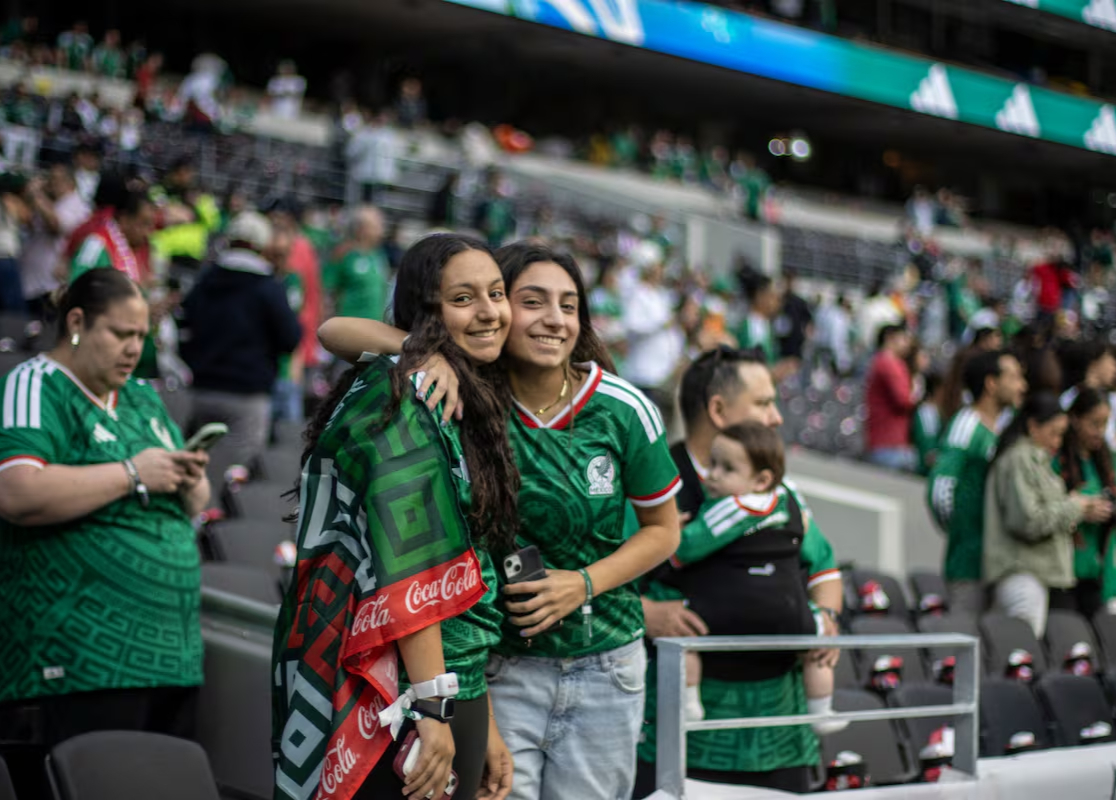

Violence against women is not part of the game — that is the campaign launched by networks of shelters for women victims of violence in Mexico, the United States, and Canada just a couple of weeks before the start of the World Cup. The initiative, led in Mexico by the National Network of Shelters (RNR), responds to the widely documented increases in different forms of violence — domestic abuse, sexual violence, harassment, sexual exploitation, and trafficking of women and girls — that occur during major sporting events. UN Women and UNICEF have estimated that during these tournaments, calls to emergency hotlines for domestic violence rise by as much as 30%. The RNR also points out that the three host cities in Mexico already have high rates of violence against women. “Football does not create violence against women; that violence already exists, and in certain contexts it can increase risks or intensify preexisting dynamics,” says Wendy Figueroa, director of the network.
“While the 2026 World Cup is being promoted as a symbol of international pride, tourism, and economic development, violence against women continues to be absent from much of the public conversation,” the RNR said in a statement. Figueroa insists that two factors aggravating the situation are high alcohol consumption and prolonged remote work. The coronavirus pandemic in Mexico already showed that many women were trapped and isolated with their aggressors, without real opportunities for support, assistance, or escape. During that confinement period, the RNR documented that violent incidents increased by more than 56%. From March 2025 to March 2026, domestic violence increased by an average of 15%, with the highest rates occurring in the three World Cup host cities.
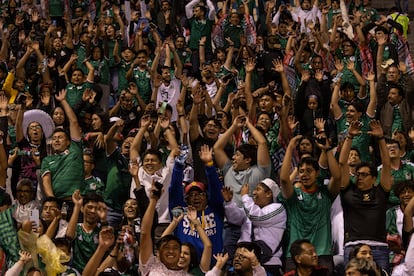
Specialists, international organizations, and studies conducted in several countries explain that emotions such as excitement, frustration, and anger after a team’s victory or defeat often become triggers for men to assault women in their environment. For the RNR, violence does not begin when a match starts. The campaign, organized together with Women’s Shelters Canada and the National Network to End Domestic Violence (NNEDV) in the United States, includes three phases: before, during, and after the World Cup. The goal is to prevent violence, monitor cases, and ensure that foreign women in Mexico are not victimized by other crimes even after the tournament ends. Assistance and support will be provided to any woman who requests it, regardless of nationality or origin.
FOOTBALL, ALCOHOL, AND VIOLENCE
The statistics already support this reality. In November 2022, Luciana Etcheverry and Natalia Tosi published a study for the Inter-American Development Bank (IDB) titled In the Football World Cup, No Matter Who Wins, Women Lose. The report explains that in Latin America, cases of intimate partner violence increase during football matches. In Brazil, for example, reports of threats against women rose by 23.7% on days when matches from the Brazilian Football Championship were played between 2015 and 2018. Reports of injuries increased by 25.9% when teams played in their home cities, with partners and ex-partners being the main aggressors. “Similar figures have been reported in other countries in the region, with increases of up to 30% in reported cases,” the study states.
Other analyzed scenarios included the football tournaments of 2002, 2006, and 2010 in England, when cases of violence increased by 26% on days of draws or victories, and by 38% on days of defeat. In addition, a study published in the United States in 2011 estimated that intimate partner violence increased on average by 10% on days and in cities where local American football teams suffered unexpected defeats. The United Nations Office on Drugs and Crime in Mexico announced on November 25 an alliance with the embassies of Canada and the United Kingdom to prevent gender-based violence against women and girls ahead of the World Cup.
This violence is also fueled by high alcohol consumption during sporting events. The Alcohol Action Network (RASA) has documented this issue and emphasized the urgency of creating a tax policy on alcohol consumption in Mexico. “While the industry maximizes its profits, Mexican society absorbs the costs of the damage,” the organization states. According to RASA, one in three women who suffered aggression from their partner reported that the aggressor had consumed alcohol. They also note that in one out of every three cases of child abuse, the aggressor was under the influence of alcohol.
In an interview, Ingrid Gómez Saracibar, Deputy Secretary for the Right to a Life Free of Violence at the Ministry of Women, said that her department has been working with the Ministry of the Interior on the issue of trafficking of women, girls, and boys in preparation for the World Cup. Since January, officials and agents who will be deployed during the tournament have been receiving training to ensure that public spaces remain safe and free of violence for women. She also announced that a campaign aimed at preventing this type of violence is about to be launched.
“Football should not have to be violent,” she insists. “It is important to do significant work toward cultural change. Traditional masculinities are harmful to men as well. Violent responses only end up destroying and breaking apart families and human beings.”
Source: elpais