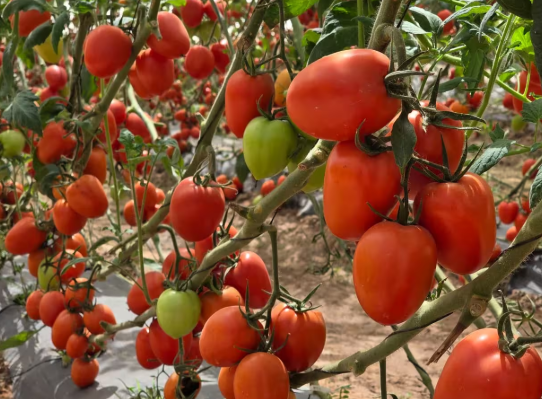

The tomato, Sinaloa’s flagship export product, recorded a year-on-year drop of 62.3 million dollars in the value of its foreign sales in February. In total, Sinaloa’s exports fell by 89 million dollars, equivalent to 18.37% less than in 2025.
In February 2026, Sinaloa recorded exports worth 399.78 million dollars to 28 different countries. In the same month of the previous year, the figure stood at 489.76 million dollars, sold to 31 countries.
The decline is explained by a collapse in export value to the United States, the main destination for Sinaloa’s international sales. The drop was 91.9 million dollars, according to the most recent data from the Ministry of Economy.
Markets such as Brazil showed significant growth; it increased from 32 thousand dollars in purchases to 186 thousand dollars. Canada also grew, importing 3.9 million dollars in Sinaloa goods in February 2025 and 5.4 million dollars in 2026.
However, this was not enough to offset the decline in trade with the United States due to the volume that the northern neighbor represents among Sinaloa’s export markets.
Why did Sinaloa’s exports fail?
The decline in Sinaloa’s exports takes place in a trade context with the United States that became more complex later, in 2025, U.S. trade authorities unilaterally decided to end the Tomato Suspension Agreement and, due to accusations of alleged dumping, impose a 17% compensatory tariff on Sinaloa tomatoes.
Three of the four main export categories in Sinaloa showed sharp declines this year.
Even before confirmation, producers and horticultural experts in Sinaloa had anticipated that the introduction of these compensatory tariffs would reduce the competitiveness of Sinaloa tomatoes on U.S. shelves and, consequently, decrease demand.
María Manjarréz, vice president of the College of Economists of the State of Sinaloa, explains that climate conditions also worked against Sinaloa’s horticultural and fruit producers, with a warmer-than-usual winter reducing production.
“The tomato tax due to dumping accusations did have an impact, but we also have to remember that we have had climate issues, and there are times when it does not allow the fruit to develop optimally. For example, mangoes had much less flowering than in other years; it is the same with vegetables,” she said in an interview for ESPEJO.
The impact is already visible. In January of this year, the value of tomato exports fell by 82 million dollars year-on-year, and in February, another drop of 62.3 million dollars was recorded.
The economist noted that this decline in exports results in lower foreign currency inflows for the state, which could also have national repercussions, as Sinaloa is one of Mexico’s main agricultural export regions. She also recalled that export horticulture generates thousands of jobs each year in the state, including for people from other parts of the country.
In February 2026, the same month used for comparison, Sinaloa’s agricultural sector employed a total of 82,781 people.
Source: revistaespejo