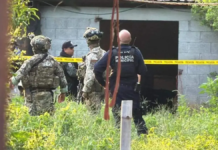

The war between “La Mayiza” and “Los Chapitos” has not ended in Sinaloa, nearly two years after the capture of Ismael “El Mayo” Zambada, which triggered the armed conflict, according to Juan Ordorica, columnist for Línea Directa, who acknowledged a decrease in open confrontations.
“The war continues. We’re almost at the two-year mark, and it’s still going on. Maybe not with the same intensity as in the first months, but there are still more than 100 deaths and 100 murders every month, which is extremely high. What we no longer see are street battles between criminal groups, but the killings continue. They haven’t stopped—men, women, and minors.”
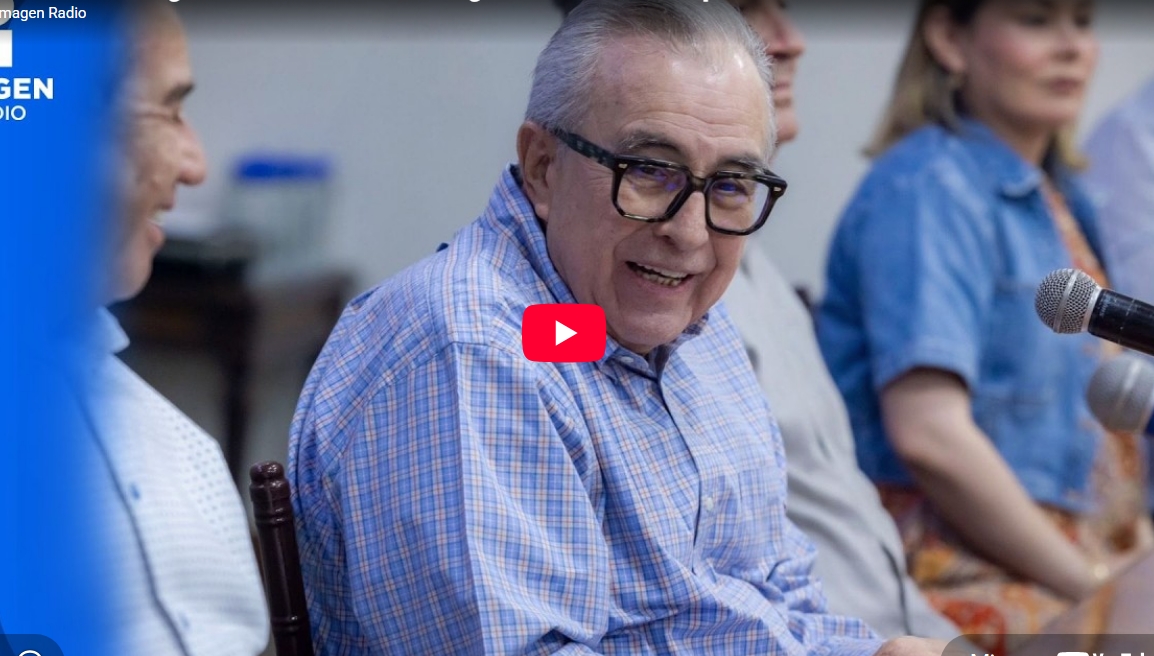
In an interview with journalist Héctor Figueroa on Imagen Radio, the Sinaloa analyst criticized the federal government over the high number of murdered minors in the state amid the conflict between the two groups, despite the presence of federal forces, which, he said, have failed to resolve the situation.
“The issue of murdered minors is out of control. We Sinaloans are calling on the federal government because the number of minors killed in recent months is horrifying. We feel they are managing the problem rather than solving it. There is a heavy presence of the Army, and I think that’s why there are no longer direct confrontations between rival groups.”
He commented that the situation has changed everyday life for residents to the point that nightlife in Culiacán has disappeared, as people avoid going out to reduce the risk of being caught in violence.
“Life in Culiacán generally ends at 8 or 9 at night. Absolutely no one dares to go out after that. The city has become smaller. We no longer cross the city; we work, walk, and go to cafés, bars, or restaurants within a five-kilometer radius of our homes. We don’t dare cross the city because we don’t want to end up in the middle of a shootout or something similar.”
During the interview on Imagen Radio, Juan Ordorica criticized what he described as unequal federal support in addressing violence and insecurity in Michoacán compared to Sinaloa.
“People in Sinaloa look at Michoacán with some envy. They received a complete project, even called the Michoacán Plan, focused on economic and social recovery. Here, they just send us police officers, and that’s it.”
A return to the state government would be difficult for Rocha Moya
Ordorica said that Governor Rubén Rocha Moya, who is on leave, still maintains political influence in Sinaloa through his political group and cabinet, but faces significant public disapproval that would make a return to office difficult.
“Anything can happen, but the relationship between the public and Rubén Rocha Moya is severely damaged. It would be very difficult for him to return to governing as if nothing had happened because there are not only accusations from the United States, but also allegations regarding internal matters that have not been fully clarified.”
He added that Rocha Moya’s public position has remained unchanged since the accusations against him began.
“He sees it as political persecution, as an attack against his political movement. He has not changed his position one bit, nor has the federal government.”
Regarding public perception of the Zambada case, Ordorica explained that many people continue to have doubts.
“What the public believes is that the government had something to do with those events and that this triggered the war. Whenever part of the government intervenes on behalf of one group or another, it only adds fuel to the fire.”
He warned that Sinaloa’s recovery will depend not only on restoring public security but also on rebuilding trust among citizens.
“When the last bullet has been fired, the distrust will still remain. We no longer even trust our neighbors; our social circles have become much smaller. Rebuilding that trust will take many years.”
Source: imagenradio