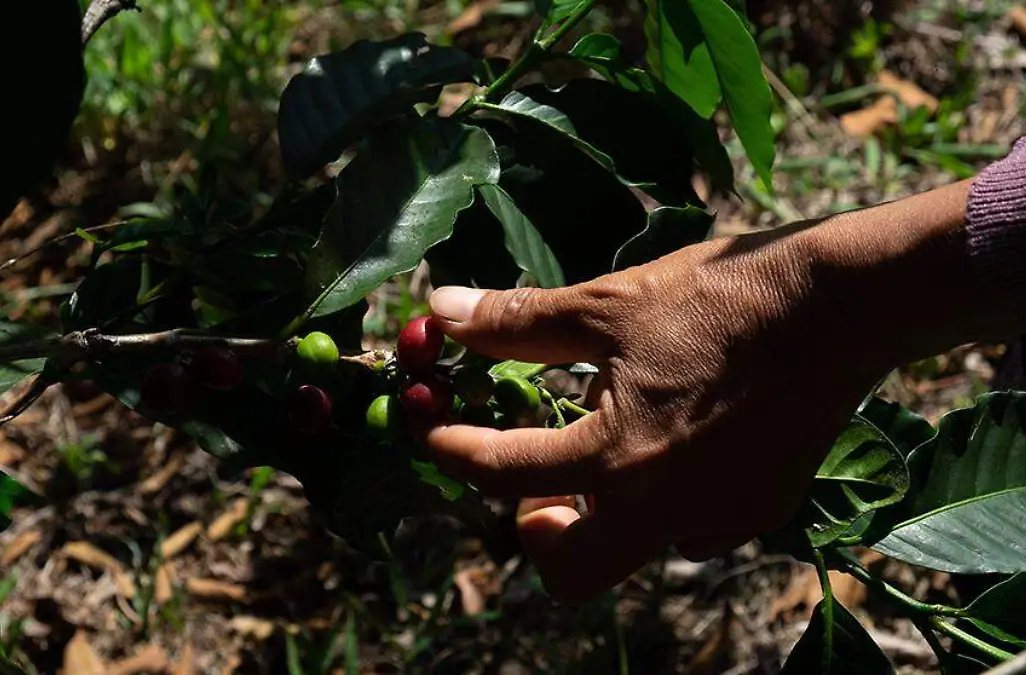

Coffee farming in the Sierra Madre of Chiapas is facing major challenges due to labor shortages, the migration of younger generations, the continued presence of middlemen (coyotes), and the lasting effects of insecurity experienced in recent years. In municipalities such as Siltepec, producers are working to keep coffee cultivation alive through family labor and new strategies to prevent farmland from being abandoned.
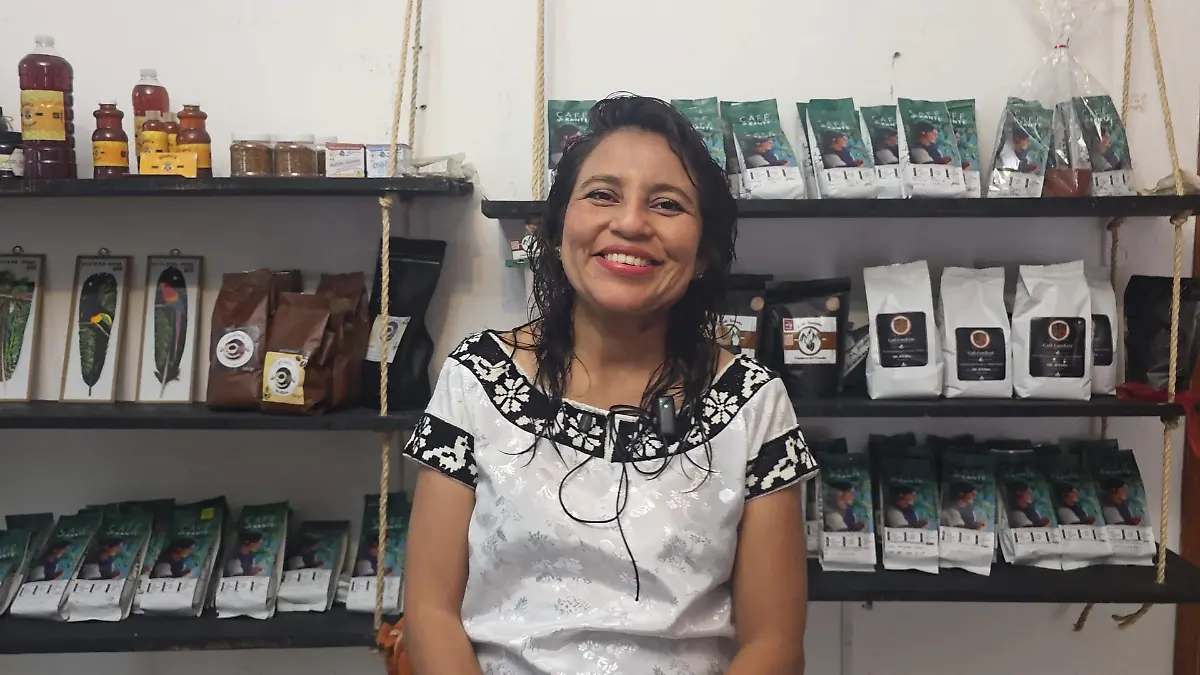
Yareni Pérez, a biologist and coffee producer from Siltepec, explained that one of the biggest changes the sector has experienced in recent years is the decline in the number of workers traditionally involved in the harvest.
“Over approximately the last six years, the number of people who used to participate in these activities has steadily decreased,” she said, referring to seasonal workers from Guatemala who previously helped with coffee production.
At the same time, the continuous migration of young people from communities throughout the Sierra Madre has further reduced the workforce available for the different stages of coffee production.
“There is significant migration of young people from the municipality and surrounding communities, making coffee production much more difficult,” she explained.
Families Replace Outside Labor
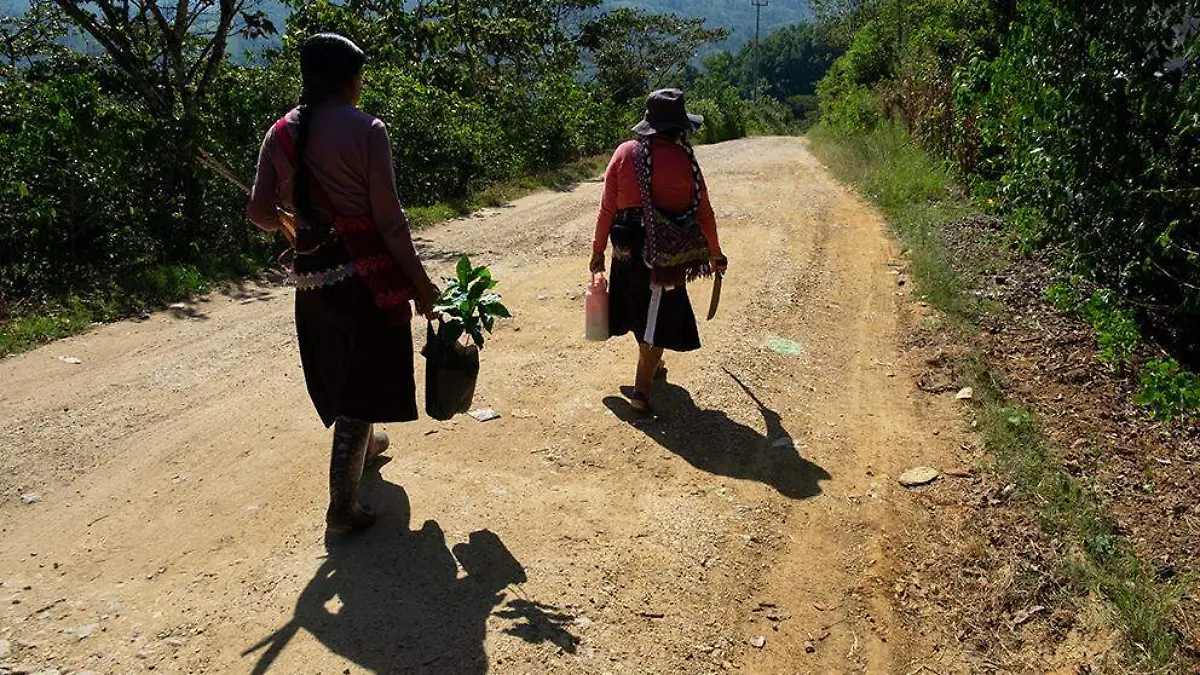
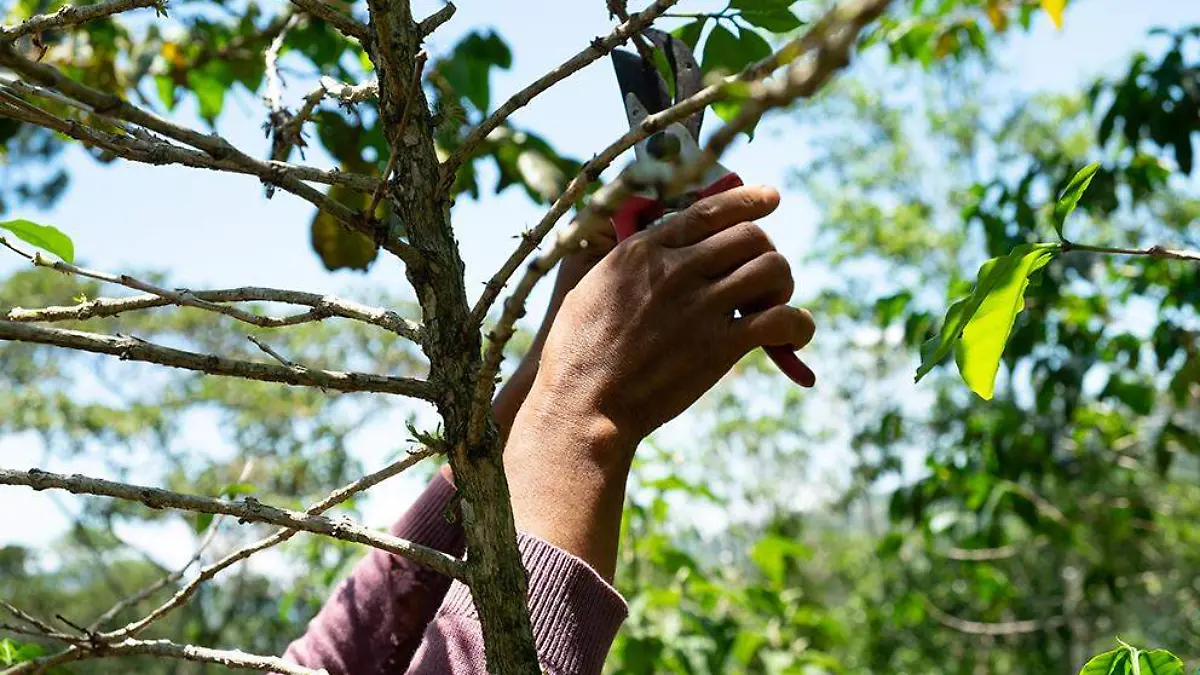
According to Pérez, these circumstances have forced coffee-growing families to change the way they manage their plantations. Rather than relying on outside labor, many now organize among relatives to complete every stage of production.
“Our strategy to keep coffee farming economically viable has been to support one another within our families,” she said.
She added that producers are also working to involve younger generations in agricultural activities to preserve the region’s coffee-growing tradition.
Their approach involves families working collectively, moving from one coffee plot to another as agricultural tasks progress throughout the season.
On her own farm, production averages 20 to 25 sacks per hectare, using a combination of Arabica and Maragogipe coffee varieties, a blend she says gives the coffee distinctive characteristics. She emphasized that the farm is a family project dedicated to preserving the area’s coffee heritage.
Pérez also noted that young people as young as 16 years old are being introduced to regenerative agriculture, especially during the harvest and post-harvest seasons.
Violence Forced Producers to Abandon Their Fields
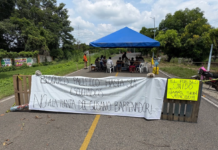
Reflecting on the period of violence that affected the Sierra Madre region, Pérez recalled that insecurity prevented many farmers from accessing their land.
“It was extremely difficult because there was no certainty that you could safely go to your own plot to work. The conditions simply didn’t allow it.”
She said many coffee fields were abandoned because protecting people’s lives became the priority.
“The countryside was left abandoned because people were trying to stay alive.”
Despite the risks, some producers entered their farms to salvage at least part of their harvest because coffee represented their families’ primary source of income.
Among the hardest-hit areas were communities in the lower part of Siltepec bordering Chicomuselo, including Malpaso Triunfo, where many producers lost their entire harvests.
She also recalled that in the central part of the municipality, including the Siltepec, Toquiancito, and Vega de Guerrero ejidos, the presence of displaced families reflected the severity of the crisis.
“There were many displaced people. It created tremendous social disruption and had a profound impact.”
On her own farm, Pérez managed to recover just over half of her expected production. Instead of harvesting the anticipated 20 to 25 sacks, she was only able to save about 12 sacks, losing approximately eight sacks.
Adding Value to Coffee Remains a Challenge
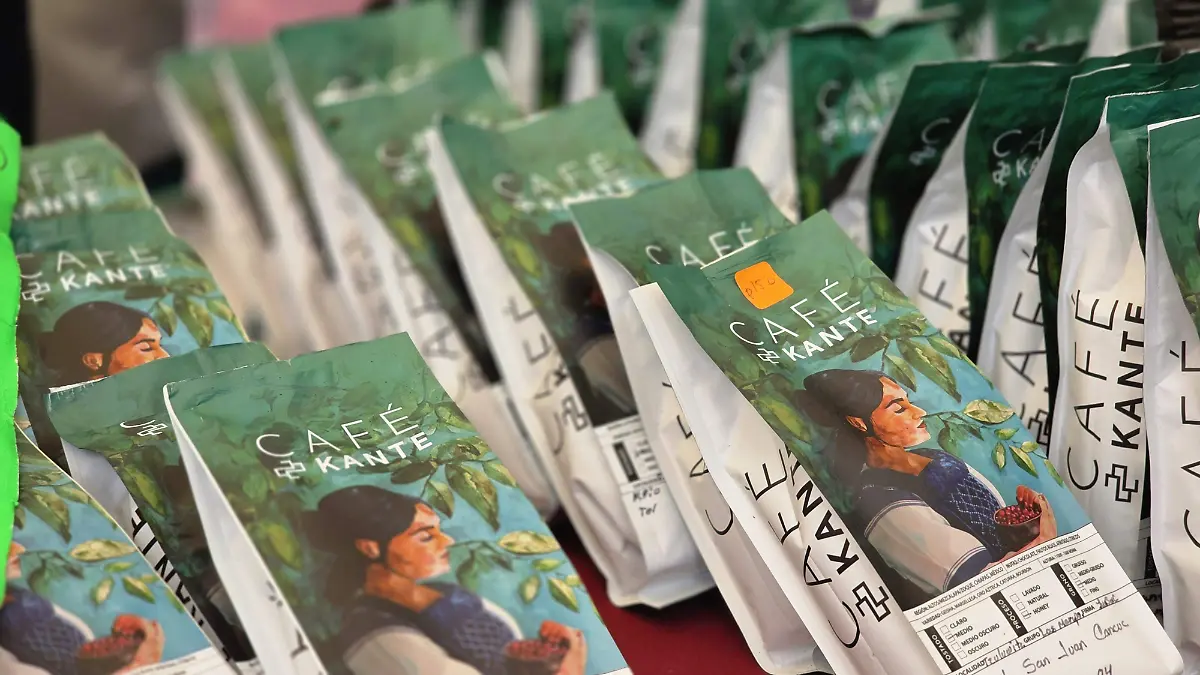
Pérez explained that increasing producers’ income depends largely on completing the entire value-added process, including drying, milling, and packaging the coffee. This allows producers to sell roasted beans or ground coffee at significantly higher prices.
However, she acknowledged that the presence of middlemen, commonly known as coyotes, remains widespread throughout the region.
“The presence of coyotes has always existed. They tell you, ‘Sell us your freshly harvested coffee and avoid all the drying and milling process.’ So yes, there are coyotes in the area, and there probably always will be.”
Despite these challenges, coffee producers across the Sierra Madre of Chiapas continue working to preserve their livelihoods through family cooperation, youth involvement, and efforts to produce and market higher-value coffee products in a region where coffee remains the primary source of income for many families.
Source: oem