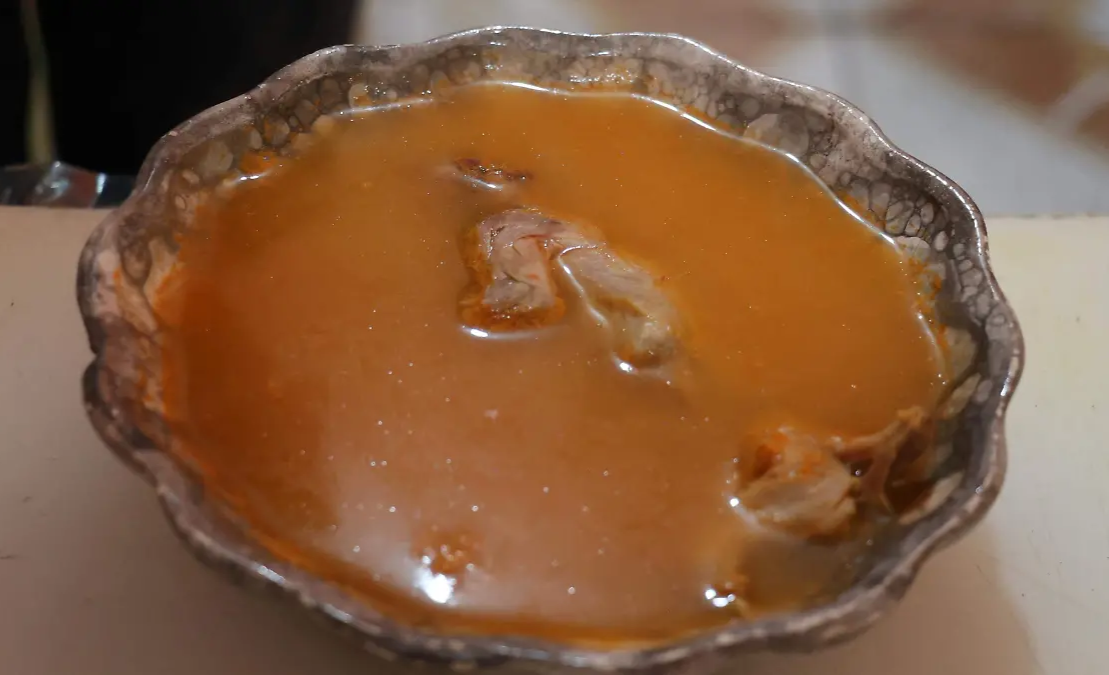

Hunting and eating field rat soup is a tradition passed down through generations. Here’s when and how the rats are hunted, how the soup is prepared, and the health benefits that many people attribute to it.
Field Rat Soup
Field rat soup is one of the gastronomic experiences that adventurous eaters should not miss when visiting San Luis Potosí.
In Tanque de Mendoza, a community located about 40 minutes from the Historic Center of San Luis Potosí, field rat meat is not considered an exotic dish but rather an important food source that has helped people survive the harsh conditions of rural life.
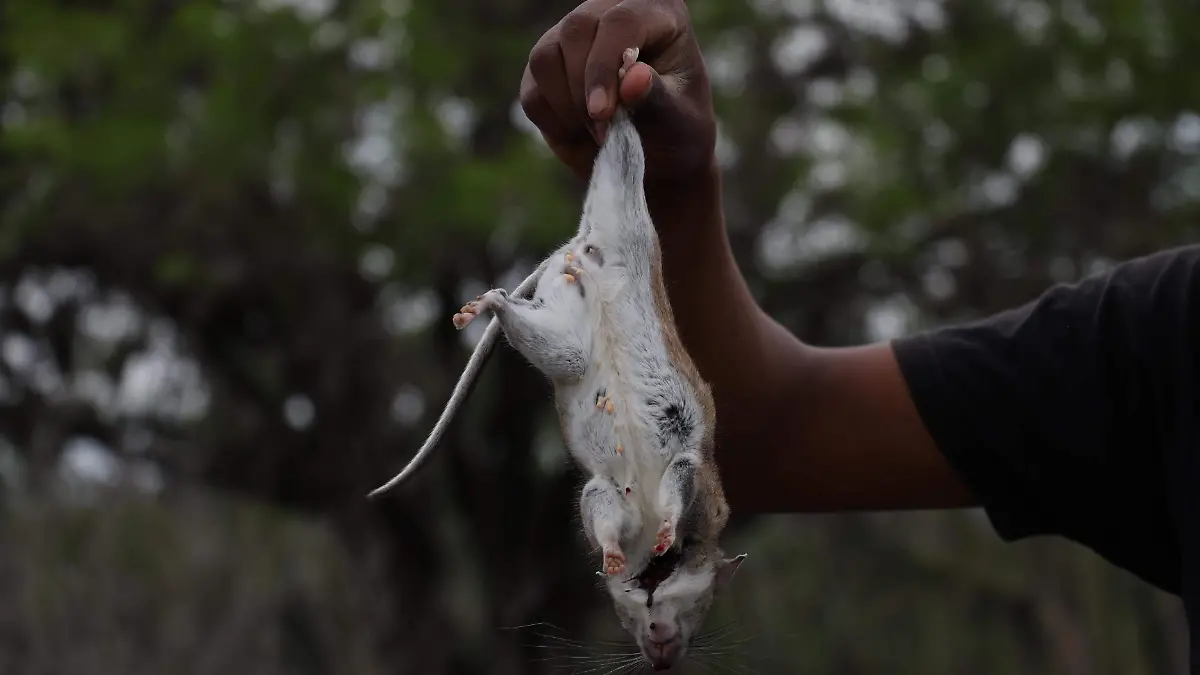
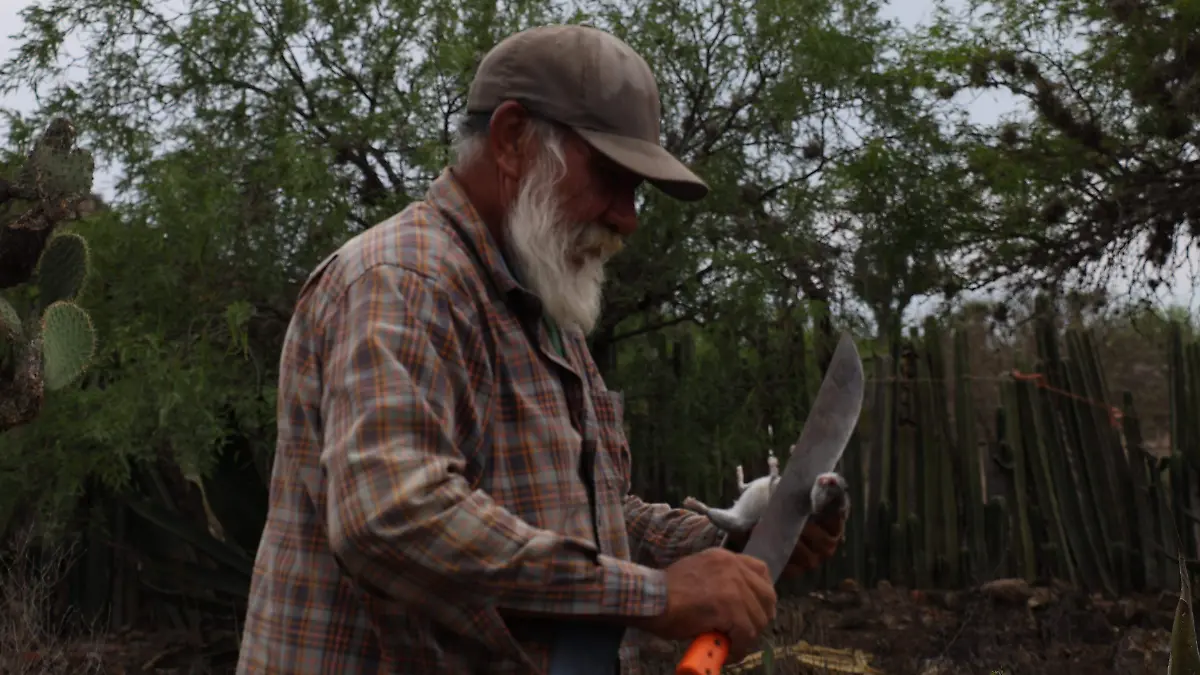
Félix Álvarez has been hunting field rats for nearly 50 years. In rural communities, this practice is passed down from generation to generation, and he has taught it to both his children and grandchildren.
“We live off the land, that’s how it is. Hunting rats is difficult and fun at the same time. It takes work and patience, but it’s enjoyable, and it provides food.”
When and Where Are Field Rats Hunted?
Field rat hunting is not carried out year-round or every day.
According to Félix, the traditional hunting season takes place during the months without the letter “R” in Spanish—May, June, July, and August—which correspond to the end of spring and the hottest months of summer.
“It has to be during the months without the letter ‘R,’ when you can catch animals that don’t have young, so you don’t harm the babies.”
Hunters also pay close attention to the size of the animals before deciding whether to hunt them.
“We avoid killing medium-sized ones. We only hunt the larger ones. Most of the ones we catch are males because they’re bigger.”
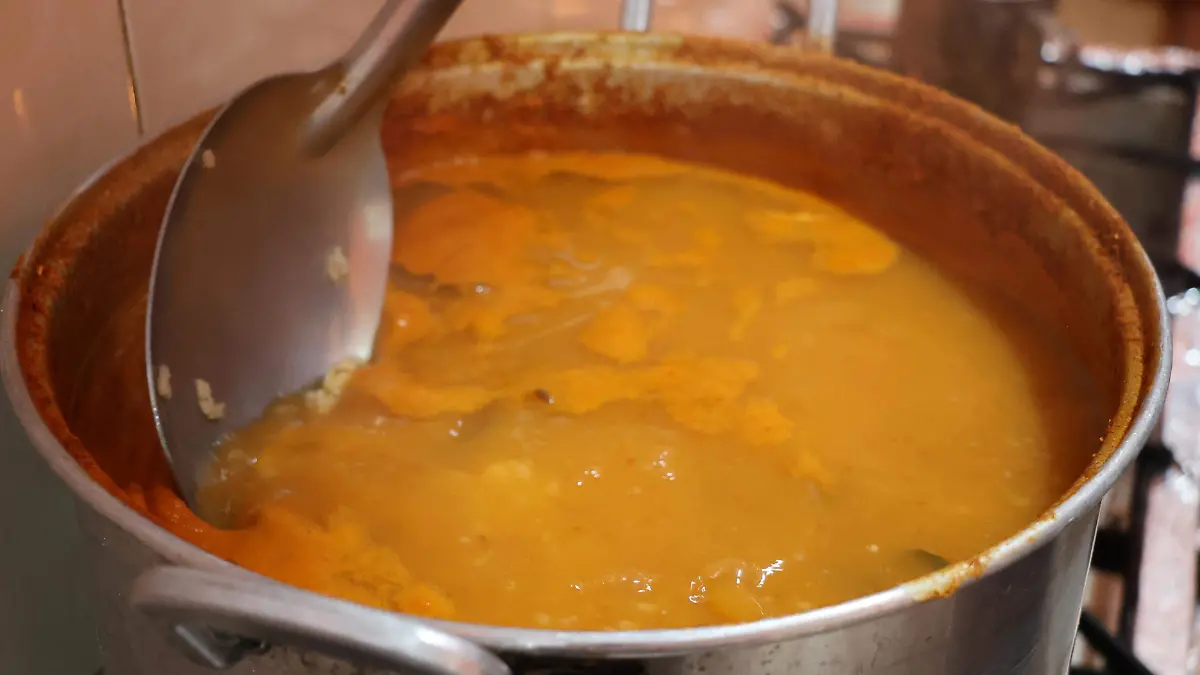
José Remedios Hernández has been serving field rat soup at Mercado República since 2019, shortly before the COVID-19 pandemic.
He explains that today field rats are mainly obtained from the municipalities of Charcas, Venado, and Moctezuma, although more than 50 years ago they could be found much closer to what is now the metropolitan area of San Luis Potosí.
“When my mother started selling field rats about 55 years ago, they came from Puerto de Providencia and areas near Mexquitic. Nowadays there are no more rats in that area.”
Field rats live in burrows they dig around maguey plants, whose roots and surrounding vegetation they feed on.
What Tools Are Used?
The main hunting tools include:
- Wooden spears
- Metal spikes or sharpened steel rods
Tadeo, Félix’s 16-year-old grandson, learned to hunt field rats when he was 12.
Both his father and grandfather taught him everything he knows about the tradition.
“It’s fun. When you go hunting, you have to know whether the rats are living there. You can tell by looking at the maguey plants and the fresh trails around the burrows. We use pointed metal rods to make noise. Sometimes the rats come out; other times we have to dig them out.”
According to Tadeo:
“On a really good day, if you’re focused, you can catch 30 or even more rats from morning until evening.”
Félix adds that hunting usually takes place on weekends when relatives gather together.
“When you’re craving rat soup and the family comes over on the weekend, that’s when we go hunting.”
A Culinary Tradition Believed to Have Healing Properties

Tadeo says field rat soup is one of San Luis Potosí’s traditional dishes and is also prepared in parts of Zacatecas and Nuevo León.
“It’s a very traditional dish in San Luis Potosí. Any farmer around here will tell you it’s a tradition passed down from generation to generation, just as my grandfather learned it and is now teaching us.”
Both Félix and Tadeo believe the soup has medicinal properties, especially for people suffering from colds or respiratory illnesses.
“It’s very good for providing calcium, helping with weakness, and even for people with cancer. It gives the body strength. We give it to sick people with cancer so they’ll be well nourished and have more strength.” — Félix
“At first I struggled to eat it, but after trying it I liked it. It’s very medicinal, especially when you have the flu.” — Tadeo
How Is It Prepared?
According to Félix, the soup typically includes:
- Garlic
- Chili peppers
- Onion
- Tomatoes
- Potatoes (either wild or store-bought)
If soup is not prepared, the rats are fried and cooked in a discada with potatoes, green chili peppers, tomatoes, and lime.
José Remedios prepares his version with:
- Chickpeas
- Rice
- Masa
- Cascabel chili peppers
- Garlic
- Onion
- Spearmint
- Cilantro
A Customer’s Experience
Luis Ricardo Silva first learned about field rat soup during the COVID-19 pandemic. He says it helped him recover from the illness.
“A friend of my daughter’s brought me some when I had COVID. I wasn’t getting better, but after eating the soup, by the third day I felt completely recovered.”
Field Rats Are Different from City Rats
Many people associate the word “rat” with sewer rats that spread disease, but local residents emphasize that field rats are completely different.
“At first I thought they were sewer rats, and the idea made me sick to my stomach. Then my grandfather and father explained that these are wild rats. They don’t eat garbage—they feed on maguey, prickly pears, and garambullo fruit.” — Tadeo
Ricardo Silva says he had heard many recommendations before finally trying it.
“People told me it was full of nutrients. The first time I ate it, I started sweating and felt full of energy. It has a unique flavor—don’t expect it to taste like chicken or fish soup.”
Would You Recommend It?
“Yes, I would. It has helped me recover from serious illnesses twice. It’s completely natural, and I’ve even hunted the rats myself, so I know they’re clean. I definitely recommend it. From my own experience, it really helped me recover.”
From being a survival food in rural communities to becoming what some people describe as a remedy that helped them recover from COVID-19, field rat soup has become one of the signature dishes of San Luis Potosí for travelers with adventurous palates who want to experience the state’s traditional cuisine.
Source: oem